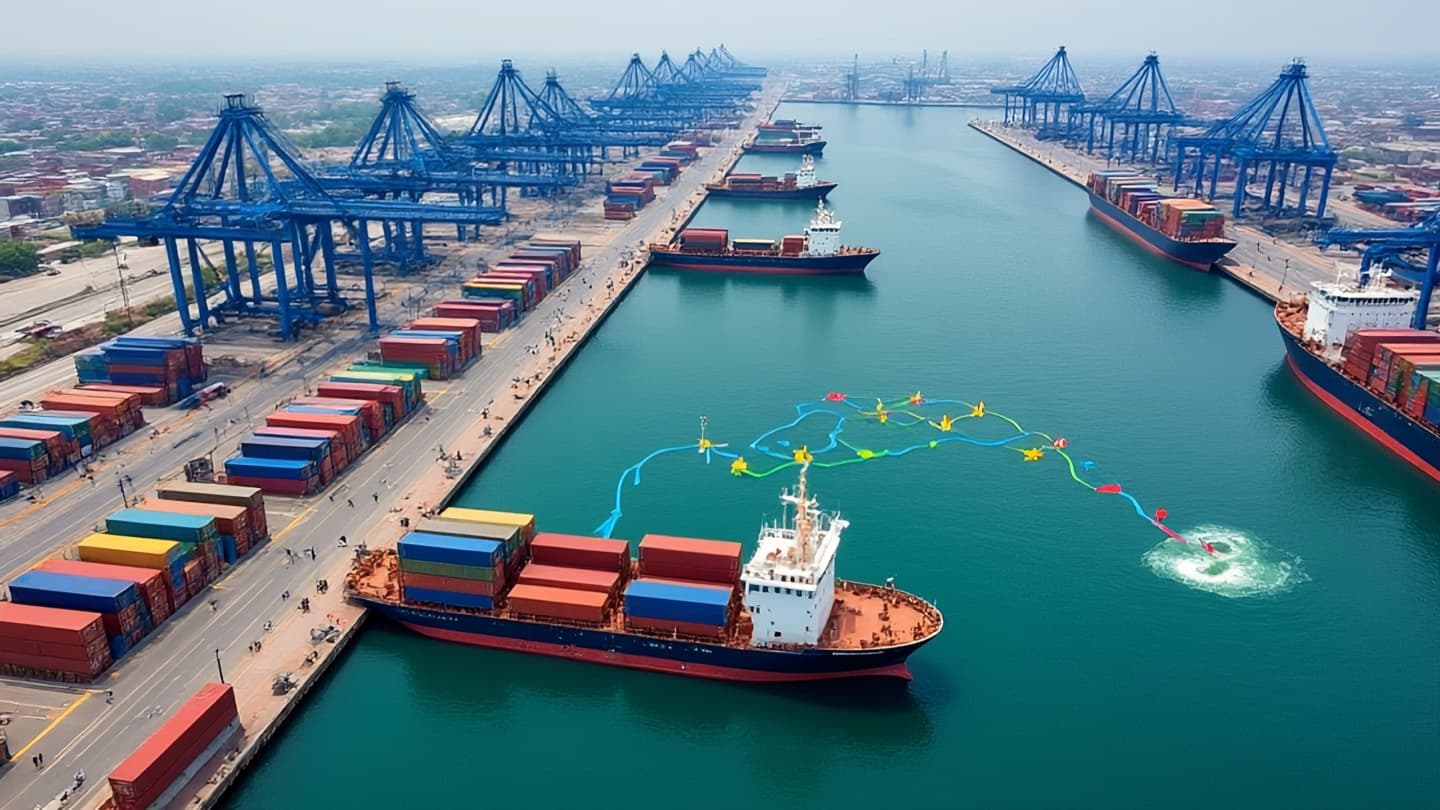
The movement of goods across oceans and continents has always reflected the changing nature of the global economy. Today, trade patterns are entering another period of transformation as governments and businesses explore new partnerships, alternative supply chains, and stronger economic connections.
Recent years have highlighted the importance of flexibility in global commerce. Disruptions in supply networks and changing market conditions have encouraged many countries to reconsider how and where essential products are produced.
Governments are increasingly looking toward regional cooperation and diversified trade relationships. By developing multiple economic partnerships, countries aim to reduce risks while creating new opportunities for growth.
Businesses are also adapting to this changing environment. Many companies are reviewing their production strategies, expanding operations in new regions, and investing in technologies that improve supply chain efficiency.
Technology has become a major factor in modern trade. Digital platforms, advanced logistics systems, and data-driven planning are helping companies manage increasingly complex international networks.
However, the transformation of global trade also requires careful coordination. Countries must balance economic interests with cooperation, transparency, and long-term stability.
Economic experts suggest that future trade relationships will likely depend on adaptability and collaboration. Nations that can respond effectively to changing conditions may be better positioned to benefit from new opportunities.
As global commerce continues to evolve, new economic partnerships are emerging. These changes represent a broader shift in how countries connect, cooperate, and build their economic futures.
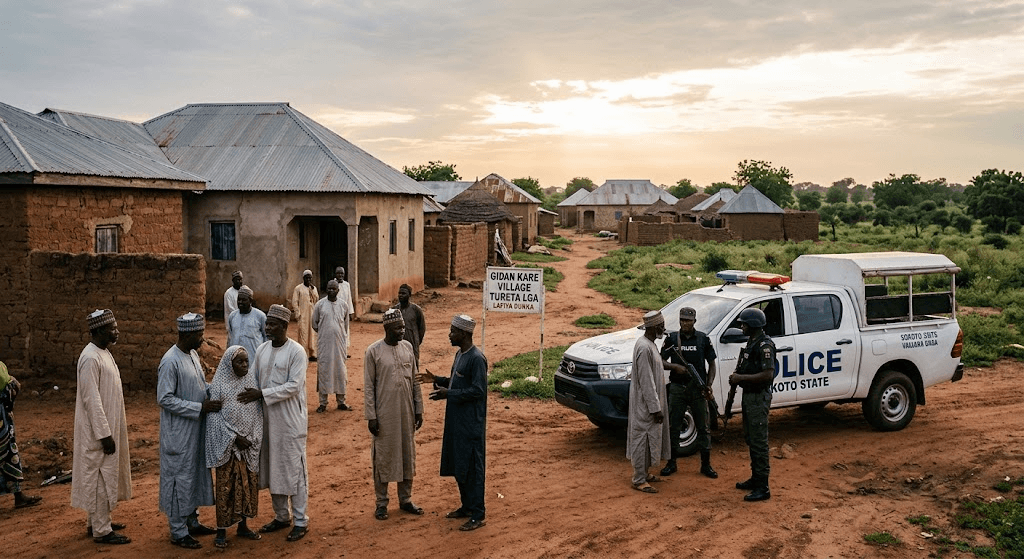
AI Image Disclaimer: The images created for this article are AI-generated representations intended to visualize global trade and economic connection concepts.
Sources Verification Check: Verified sources available from: Reuters, World Trade Organization (WTO), World Bank, OECD
Published by Banx Network. This article is part of the Banx decentralized media programme, powered by the BXE token on the XRP Ledger.