
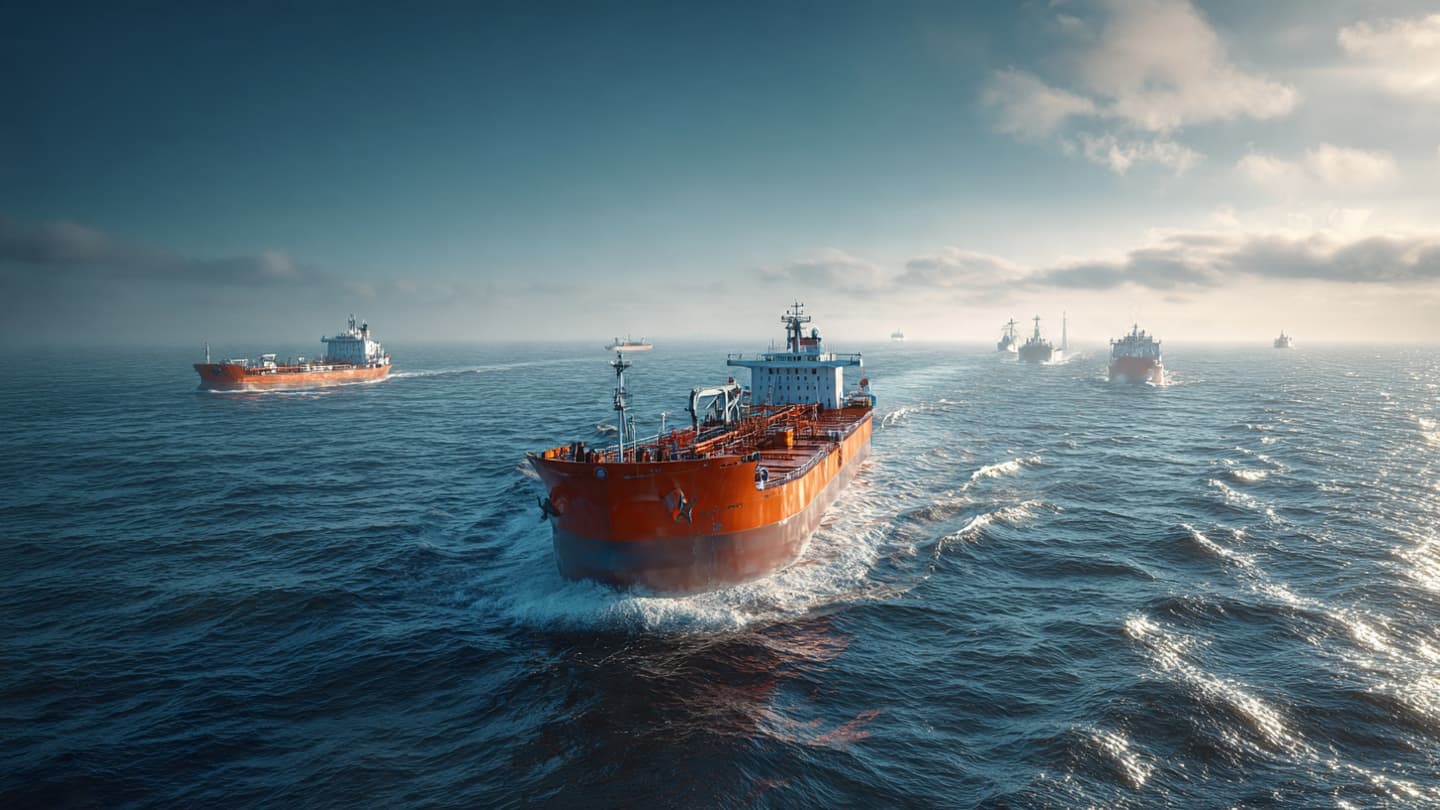
The sea has long served as one of humanity’s oldest pathways for commerce. Across centuries, ships have carried goods, resources, and opportunities from one shore to another, quietly connecting economies separated by vast distances. Today, in the Gulf region, growing shipping activity is once again attracting attention as logistics operators observe increasing vessel movements through some of the world's most important maritime corridors.
Recent industry reports suggest that shipping volumes in parts of the Gulf have shown signs of improvement. Tankers, cargo vessels, and support ships are appearing more frequently along routes that play an essential role in global trade. While maritime operators remain attentive to operational risks, the overall trend has encouraged cautious optimism.
For logistics companies, shipping volume is often viewed as an indicator of broader economic activity. Higher traffic levels can suggest stronger trade flows, increased demand for transportation services, and greater confidence among businesses moving products across international markets.
Energy shipments remain a major contributor to maritime activity in the region. Crude oil and petroleum products continue to move through strategic waterways that connect producers with consumers around the globe. Stable transportation conditions help support the efficient delivery of these resources.
Beyond energy, general cargo operations are also benefiting from improved shipping conditions. Ports handling industrial materials, consumer goods, and manufacturing components have reported steady activity as supply chains continue adapting to changing market conditions.
Technology is helping logistics providers respond more effectively to increased traffic. Real-time vessel tracking, digital route planning, and predictive analytics are enabling operators to improve efficiency while minimizing disruptions. Such innovations are becoming increasingly important in modern maritime commerce.
Port authorities have also focused on enhancing operational performance. Investments in infrastructure, cargo handling systems, and logistics coordination are supporting efforts to accommodate growing transportation demand while maintaining service quality.
Industry analysts emphasize that shipping activity often reflects broader trends occurring within the global economy. While individual markets may experience fluctuations, consistent growth in maritime traffic can indicate stronger commercial engagement across multiple sectors.
As vessels continue moving through Gulf shipping lanes, logistics operators remain focused on maintaining efficiency and reliability. The steady increase in maritime activity serves as a reminder that international trade depends not only on economic demand but also on the networks that keep goods moving from one destination to another.
AI Image Disclaimer: Graphics are AI-generated and intended for representation, not reality.
Sources: Reuters, Bloomberg, Lloyd's List, CNBC, The Maritime Executive.
Note: This article was published on BanxChange.com and is powered by the BXE Token on the XRP Ledger. For the latest articles and news, please visit BanxChange.com