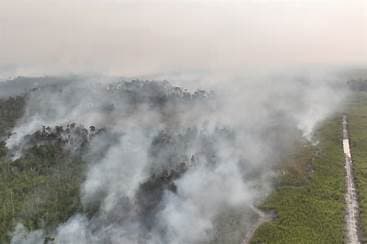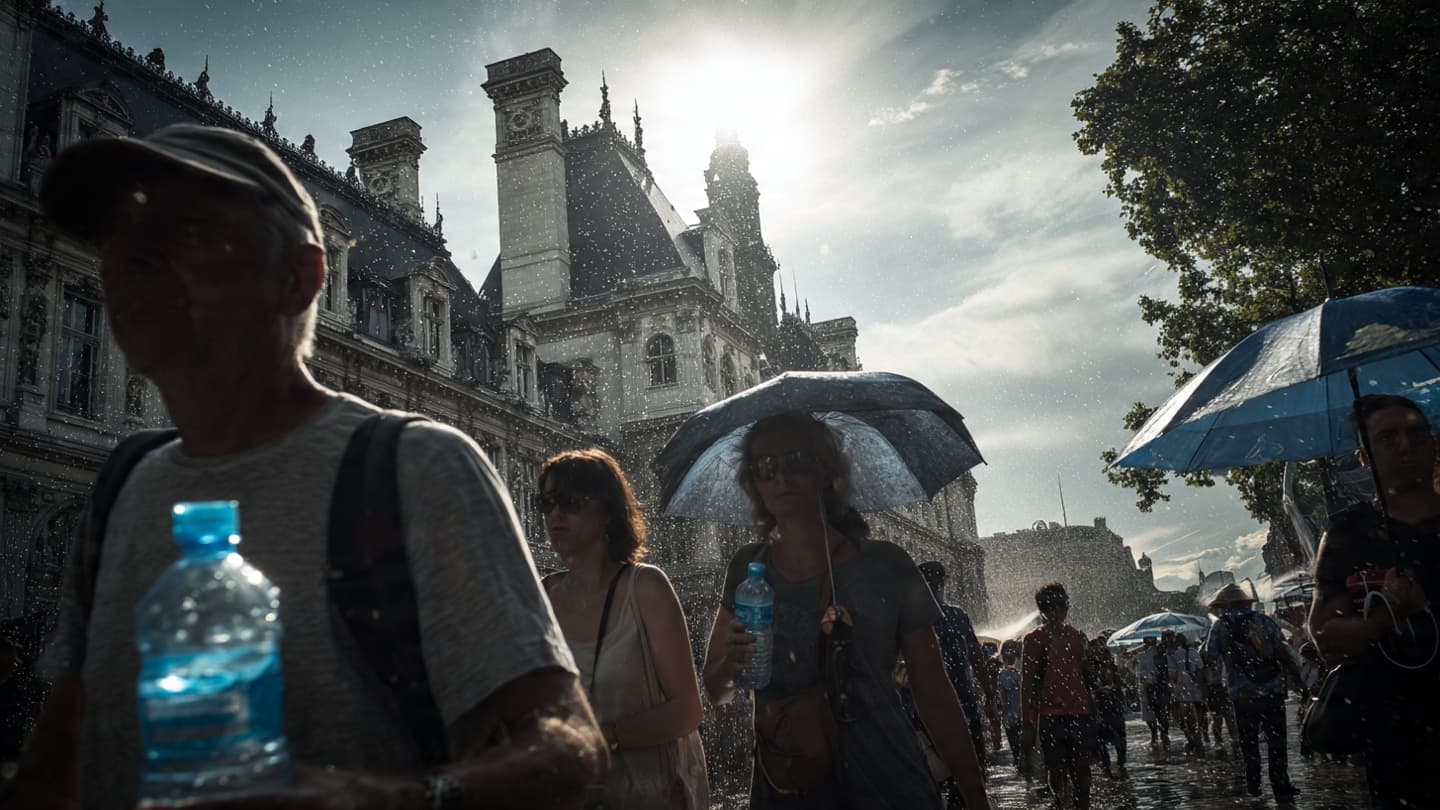
There are days when a country seems to move at a different rhythm, when the usual pace of streets and squares is softened by the weight of the air itself. Across France this week, summer arrived not as a season unfolding gently, but as a presence that settled over cities, villages, forests, and coastlines with unusual intensity. The sky remained bright, yet beneath its light people searched for shade, for water, for any place where the heat might loosen its grip.
By late June, thermometers across much of the country had climbed beyond familiar thresholds. In southwestern France, temperatures exceeded 40 degrees Celsius, while national indicators reached levels never before recorded. Meteorologists described the moment as unprecedented in modern observations, surpassing previous records associated with the great heat events of 2003 and 2019. Across the landscape, the heat lingered through both day and night, leaving little opportunity for cooling after sunset.
The effects could be seen not only in weather charts but in the altered routines of daily life. Schools adjusted schedules. Train services faced strain. Visitors found shortened hours at some of France’s most recognizable landmarks. In Paris, even monuments accustomed to welcoming crowds from around the world adapted to conditions that felt increasingly exceptional.
Yet beyond the measurements and logistical adjustments lay a quieter and more human story. Water became a destination. Rivers, lakes, canals, and swimming spots drew people seeking relief from the relentless warmth. Along these waterways, what began as a search for comfort sometimes ended in tragedy.
French authorities reported that forty people had drowned since June 18, many of them young. Several incidents occurred in unsupervised or unauthorized swimming areas, where currents, depth changes, or unfamiliar conditions can quickly transform moments of escape into danger. As temperatures climbed, the pull of water grew stronger, drawing people toward places that promised a brief respite from the heat.
The tragedy unfolded against a broader European backdrop. From Spain to Italy, from Britain to parts of Central Europe, communities found themselves under unusually intense conditions. Red alerts spread across regions. Public events were modified or canceled. Transport systems slowed. Cooling shelters opened. Across the continent, the heat seemed to redraw daily routines, asking millions to adapt to circumstances that only a generation ago would have been considered rare.
Meteorologists pointed to a persistent atmospheric pattern that trapped warm air over western and central Europe, allowing temperatures to build day after day. The phenomenon created a vast dome of heat, stretching across borders and landscapes. In some places, the most remarkable records were not daytime highs but nighttime temperatures, as darkness brought little relief and warm air lingered through the early hours.
The scene carried echoes of earlier European summers, yet it also reflected a changing reality. Weather agencies and climate researchers have repeatedly noted that Europe is warming faster than the global average, increasing the likelihood of severe heat episodes. Each new record arrives not as an isolated event, but as part of a longer story unfolding across decades.
For now, France remains focused on the immediate challenges of the heatwave. Emergency meetings have been convened, public safety warnings continue, and authorities are urging caution near waterways as temperatures remain elevated. The nation’s hottest day on record may ultimately be remembered not only for the numbers recorded on weather instruments, but for the lives touched by a week when heat reshaped ordinary choices.
As evening returns to cities and countryside alike, rivers continue their steady movement toward the sea. They flow beneath bridges, through valleys, and past towns that have known many summers before. Yet this season arrives carrying new questions about endurance, adaptation, and the delicate balance between people and a climate that seems increasingly determined to test familiar boundaries.
AI Image Disclaimer Illustrations were created using AI tools and are intended as visual representations rather than actual photographs.
Sources
Reuters Associated Press The Guardian Météo-France World Meteorological Organization (WMO)
Note: This article was published on BanxChange.com and is powered by the BXE Token on the XRP Ledger. For the latest articles and news, please visit BanxChange.com