There are moments when a season asks more from society than simple adaptation. Across Europe, as temperatures continue to rise to extraordinary levels, health systems are responding with renewed urgency, recognizing that extreme heat has become not merely a weather event, but a significant public health challenge.
Several European governments have activated national heat action plans as prolonged periods of exceptionally high temperatures spread across the continent. Health ministries have issued advisories encouraging residents to remain hydrated, avoid strenuous outdoor activities, and regularly check on vulnerable individuals.
Hospitals and emergency services in countries including France, Italy, Spain, and Greece have increased staffing levels to accommodate a possible rise in heat-related illnesses. Medical facilities are also preparing additional capacity for patients suffering from dehydration, heat exhaustion, and cardiovascular complications.
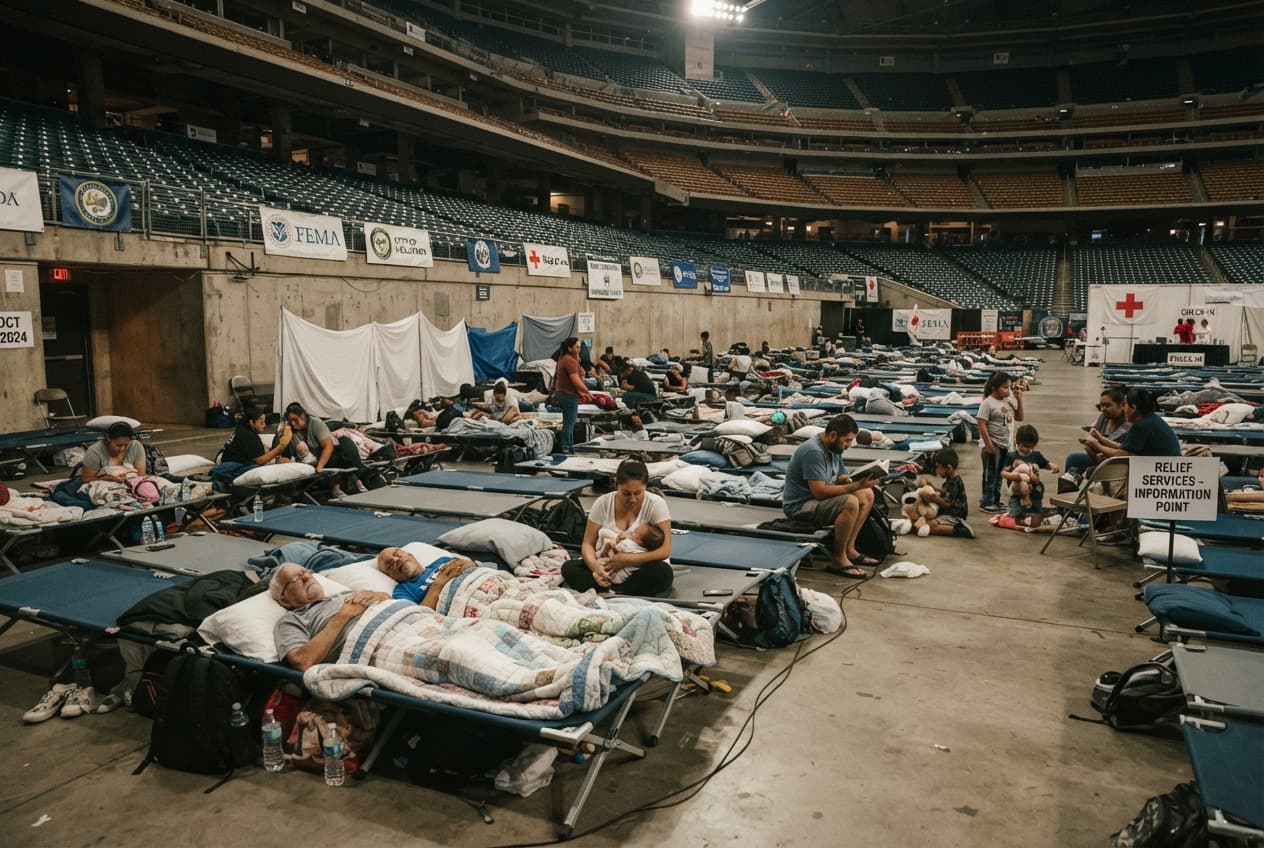
Local authorities have opened cooling centers in major cities, providing air-conditioned spaces where residents can seek relief during the hottest hours of the day. Public information campaigns have been intensified through television, radio, and digital platforms.
Older adults remain among the populations most at risk during extreme heat episodes. Public health officials have emphasized community outreach programs designed to support elderly residents who may live alone or have limited access to cooling resources.
Urban areas are particularly vulnerable due to the "heat island" effect, where dense infrastructure absorbs and retains heat. Experts continue to advocate for long-term measures such as expanding green spaces, improving building design, and increasing tree coverage in cities.
The World Health Organization has repeatedly warned that climate-related health risks are expected to increase in coming decades. Strengthening healthcare resilience, officials say, will be essential as extreme weather events become more frequent.
For now, Europe's immediate focus remains on protecting lives during the current heatwave. Authorities stress that early preparation and public awareness can significantly reduce health impacts during periods of extreme heat.
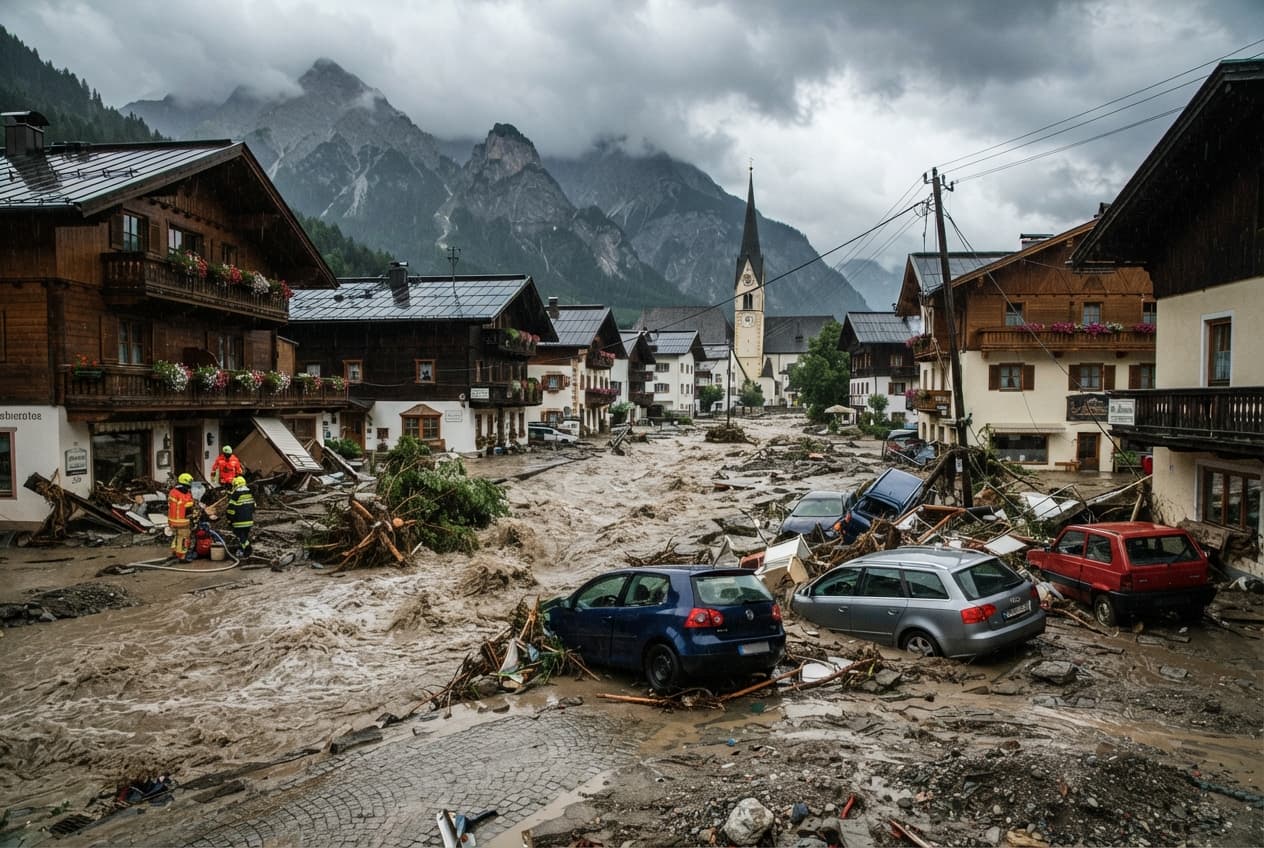
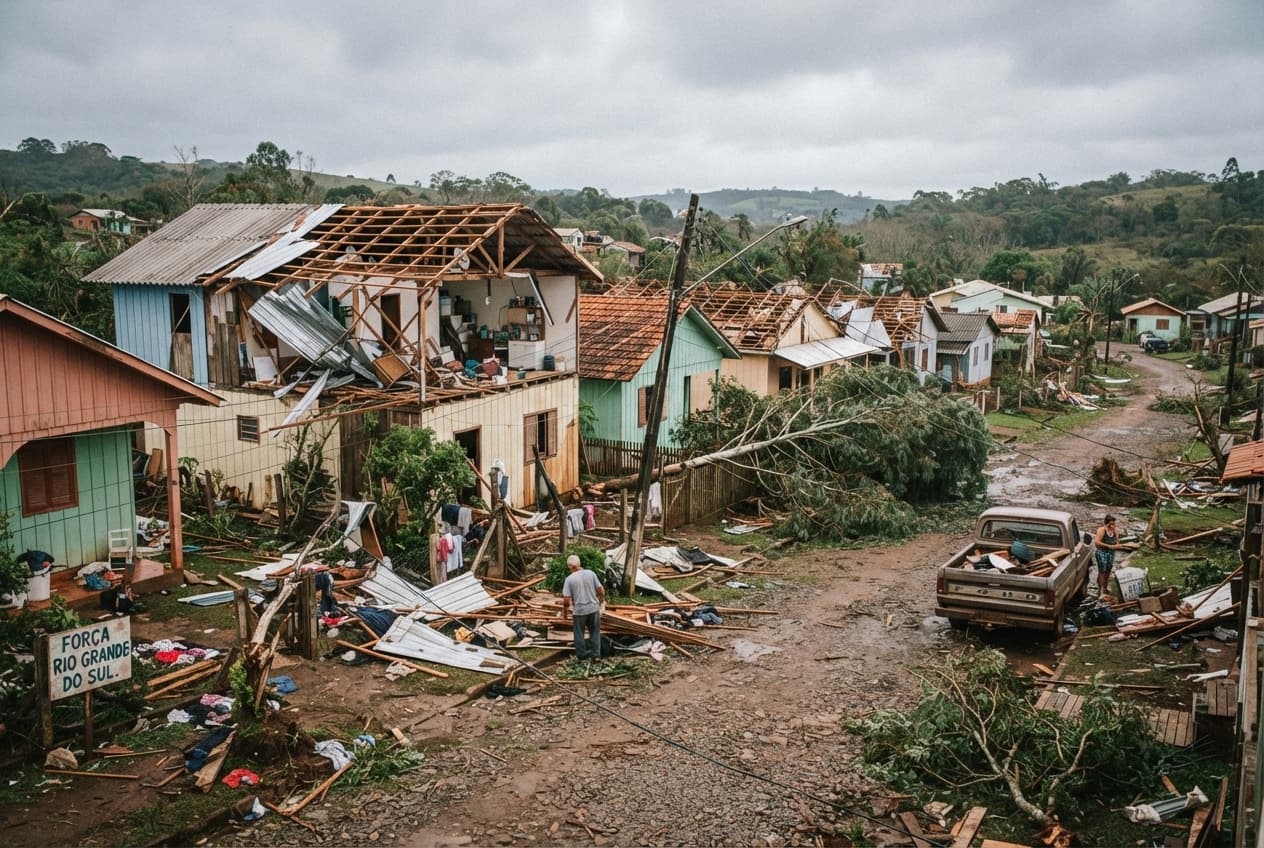
AI Image Disclaimer: Some accompanying visual illustrations may have been created using artificial intelligence for editorial presentation.
Source Verification Check: Reuters, World Health Organization, BBC, European Centre for Disease Prevention and Control.
Published by Banx Network. This article is part of the Banx decentralized media programme, powered by the BXE token on the XRP Ledger.