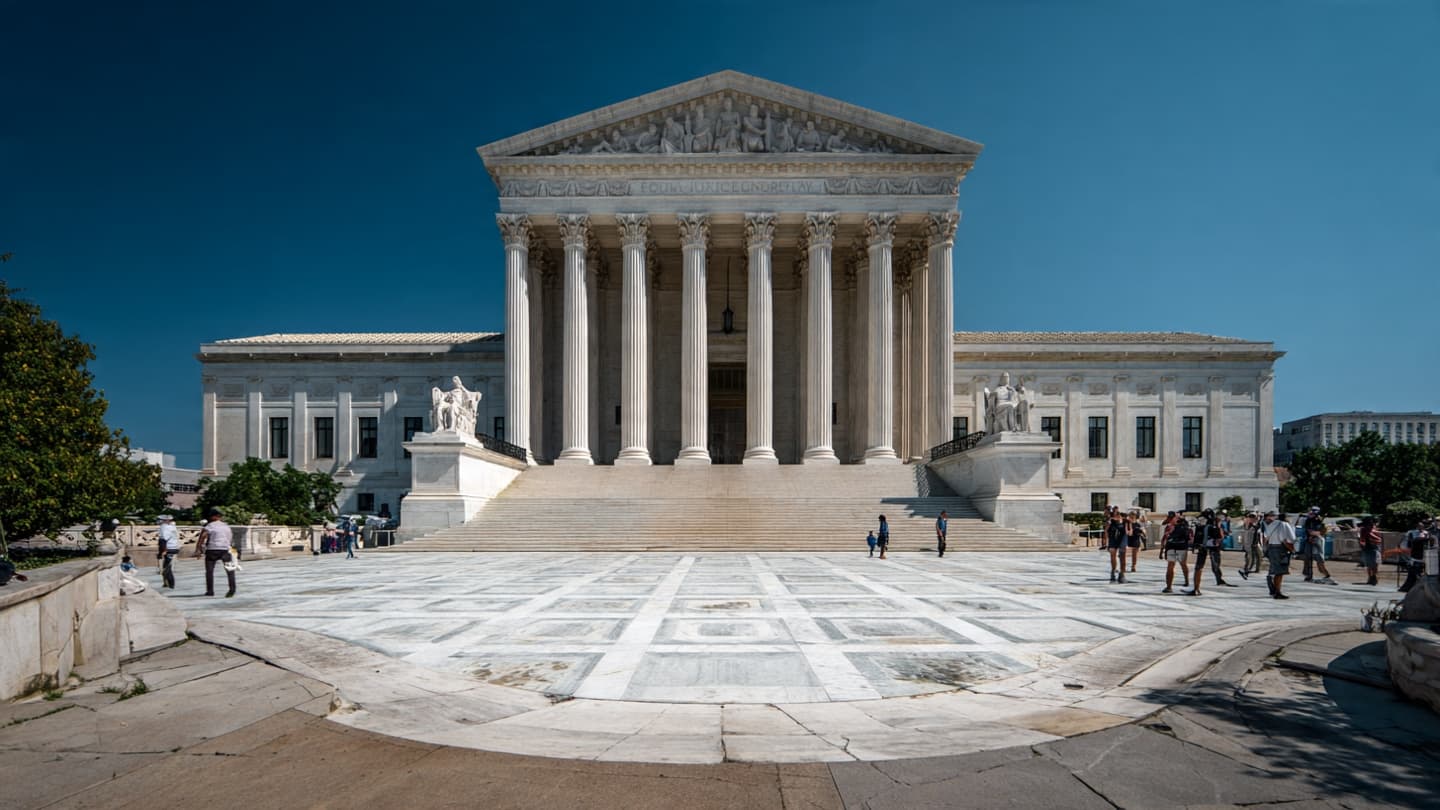
Technology can illuminate pathways across continents, yet the same tools may also raise difficult questions about responsibility and human rights. In an interconnected world, courts increasingly find themselves examining where innovation ends and legal accountability begins.
The U.S. Supreme Court ruled in favor of Cisco Systems, ending a lawsuit brought by practitioners of the Falun Gong spiritual movement who alleged that the company helped facilitate persecution in China through surveillance technology. The decision represents another narrowing of the circumstances under which foreign human rights claims may proceed in American courts.
The plaintiffs argued that Cisco assisted Chinese authorities by helping develop components of the country's "Golden Shield" surveillance system, which they said was used to identify, monitor, and persecute Falun Gong practitioners. Cisco denied the allegations and maintained that its products were general-purpose technologies.
In a 6-3 ruling, the Supreme Court concluded that the Alien Tort Statute does not provide a basis for the claims presented in the case. The Court also determined that separate claims under the Torture Victim Protection Act could not proceed against Cisco executives.
Justice Amy Coney Barrett authored the majority opinion, emphasizing that courts should not create new causes of action under centuries-old statutes without clear direction from Congress.
Human rights advocates expressed disappointment with the ruling, arguing that multinational corporations should face greater scrutiny when their products are allegedly linked to abuses abroad. Business groups, meanwhile, welcomed the decision as providing greater legal certainty for companies operating internationally.
The case continues a broader trend in which the Supreme Court has limited the use of American courts as venues for addressing overseas human rights disputes involving corporations.
While the litigation has concluded, discussions surrounding corporate accountability, surveillance technologies, and international human rights obligations are likely to persist.
AI Image Disclaimer: The visual materials associated with this article are AI-generated and created for illustrative purposes only.
Sources (verification check): Reuters, Associated Press, The Washington Post, Supreme Court filings
Published by Banx Network. This article is part of the Banx decentralized media programme, powered by the BXE token on the XRP Ledger.