
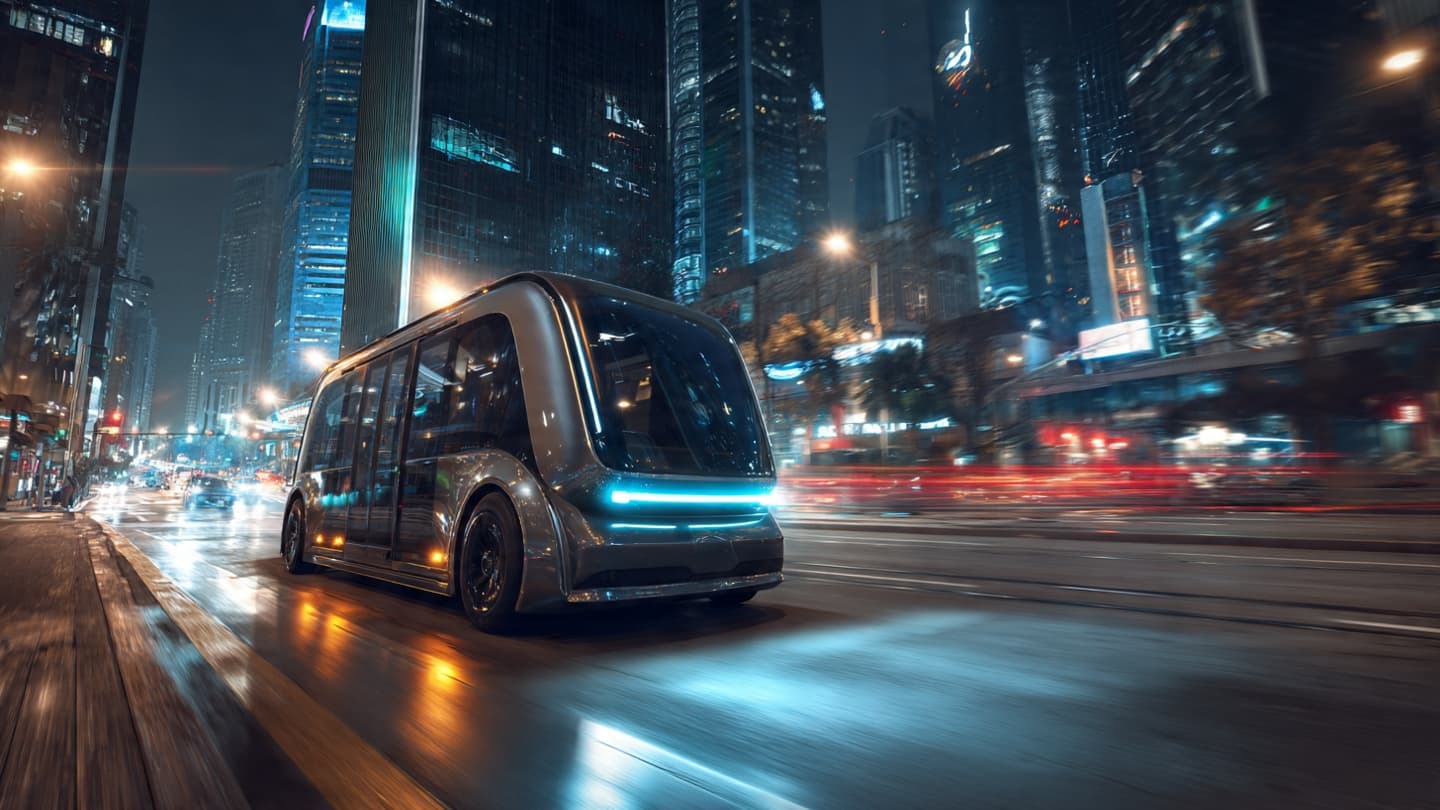
Transportation has always shaped the rhythm of civilization. Roads connected cities, railways transformed commerce, and aviation narrowed the distance between continents. Today, another chapter in mobility is quietly unfolding through vehicles increasingly guided not only by human hands, but by artificial intelligence and digital systems.
Automotive and technology companies worldwide continue advancing autonomous vehicle technologies as AI-powered transportation systems gain momentum across research and commercial development sectors. Industry analysts describe the transition as one of the most significant shifts in modern mobility.
Autonomous vehicles rely on complex combinations of sensors, cameras, mapping systems, and machine learning algorithms capable of analyzing surroundings in real time. These technologies allow vehicles to interpret traffic conditions, road signs, pedestrian movement, and navigation data continuously.
Supporters believe autonomous systems may eventually improve transportation efficiency and reduce certain types of human error associated with road accidents. Logistics providers are also exploring autonomous technologies for freight transportation and delivery operations.
The development of self-driving systems reflects broader advances in artificial intelligence and digital infrastructure. High-speed data processing, cloud connectivity, and increasingly sophisticated machine learning models have accelerated progress within the transportation sector.
Yet despite rapid innovation, experts continue emphasizing that large-scale adoption will require extensive testing, regulation, and infrastructure adaptation. Safety standards remain central to public discussions surrounding autonomous mobility technologies.
Governments and regulators worldwide are therefore evaluating legal frameworks addressing liability, cybersecurity, and operational safety for autonomous transportation systems. Public trust will likely play a major role in determining how quickly these technologies become integrated into everyday transportation.
Cybersecurity concerns have also emerged as vehicles become more digitally connected. Autonomous systems rely heavily on software and communication networks, increasing the importance of protecting transportation infrastructure from potential cyber threats.
Environmental sustainability has become another factor shaping development. Many autonomous vehicle projects are closely tied to electric mobility initiatives aimed at reducing emissions and improving urban transportation efficiency.
As autonomous technologies continue evolving, transportation itself may gradually become more automated, data-driven, and interconnected. Yet beneath every sensor and algorithm remains a familiar human objective carried throughout the history of mobility: the effort to move people and goods more safely, efficiently, and reliably across the world.
AI Image Disclaimer: Visuals are created with AI tools and are not real photographs.
Sources Checked: Reuters Bloomberg CNBC The Wall Street Journal Financial Times
Published by Banx Network. This article is part of the Banx decentralized media programme, powered by the BXE token on the XRP Ledger.


