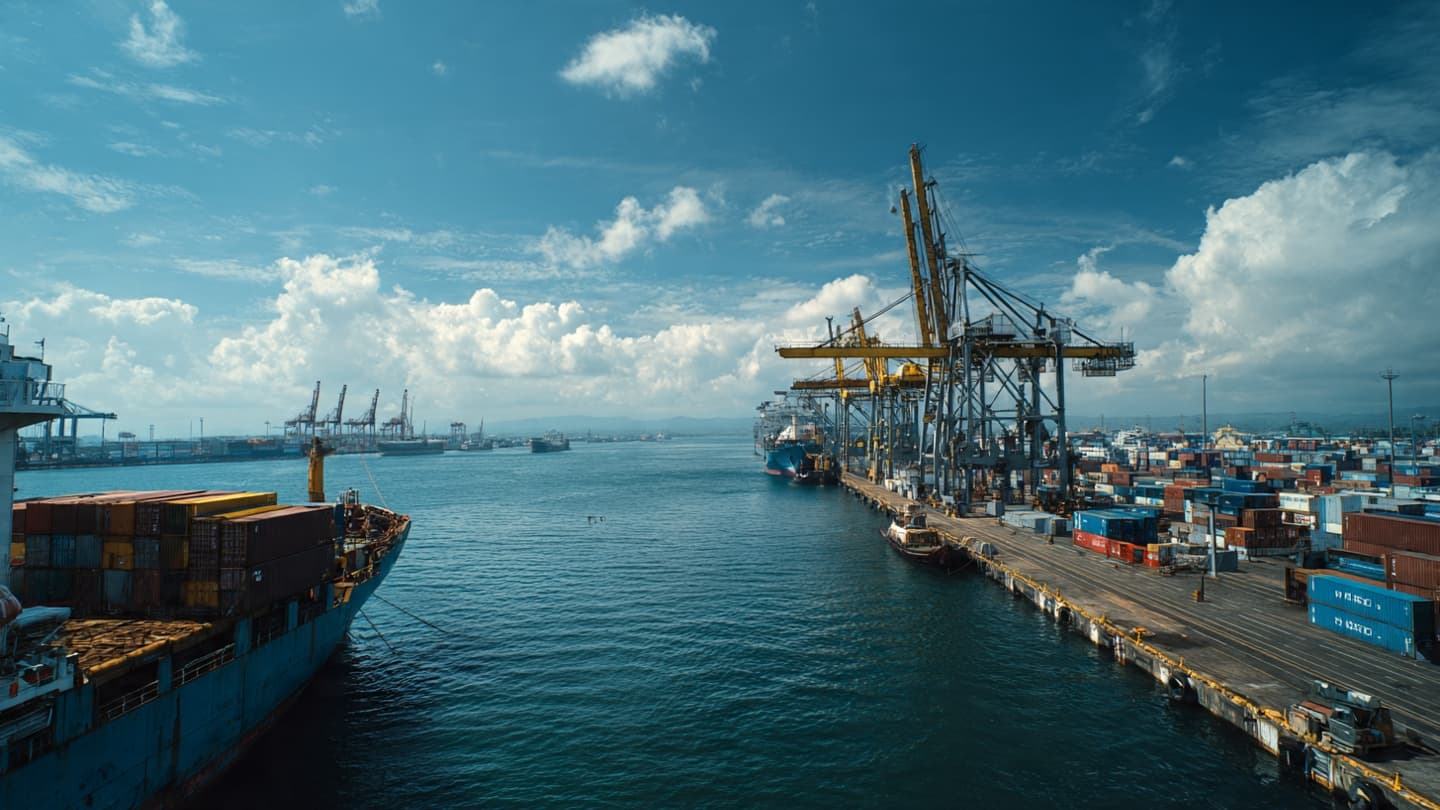
Economic growth rarely arrives with a single sound. It moves through shopping centers, factories, ports, offices, farms, and the quiet decisions made by households each day. Across Indonesia, the second quarter of 2026 brought another period of expansion, keeping the country’s economy moving at a pace that remained relatively steady despite an uncertain global backdrop.
Indonesia’s gross domestic product grew 5.29% year over year in the second quarter, according to data from Statistics Indonesia, known as BPS. Reuters reported that the figure exceeded the median forecast of 5.0% from economists surveyed by the news agency. (reuters.com)
The result was slightly slower than the first quarter, when the economy expanded 5.47%. Yet the difference was relatively modest, suggesting that Indonesia continued to maintain a broad degree of economic momentum as the year moved toward its second half.
Household consumption remained an important part of the picture. Indonesia’s large domestic market gives the economy a source of support that can sometimes soften the effects of weaker international demand. From food and transportation to services and household goods, millions of individual decisions combine to form one of the country's most important economic forces.
Investment also contributed to activity. Businesses continued expanding capacity and spending on equipment, infrastructure, and other productive assets. Such spending can take time to translate into visible changes, but it often provides the foundation for future production and employment.
The external sector presented a more complicated picture. Indonesia remains closely connected to global commodity markets and international trade, meaning movements in demand for resources, energy, and manufactured goods can influence economic activity at home. A change in global prices can eventually travel through ports and industrial areas before reaching local businesses and workers.
Inflation has also remained an important consideration. A growing economy can generate stronger demand, but policymakers must balance that momentum with the need to maintain price stability. For households, the most tangible measure of economic health often remains the cost of everyday necessities rather than the headline growth rate itself.
The second-quarter result therefore carries a sense of continuity. Indonesia continues to grow at around the 5% level, maintaining a pace that has characterized much of its recent economic performance. Yet the slight slowdown from the first quarter also suggests that momentum is not immune to changes in domestic and global conditions.
As the third quarter begins, attention will turn toward consumption, investment, exports, commodity prices, and government spending. Each will help determine whether the economy maintains its current rhythm or begins to move at a different pace. For now, the latest figures show Indonesia continuing along a steady path of expansion, with the archipelago’s large domestic economy remaining an important source of resilience.
AI Image Disclaimer: These images were generated with AI and are intended as conceptual illustrations of Indonesia’s economic activity.
Sources:
Reuters Statistics Indonesia (BPS) Bank Indonesia Ministry of Finance of Indonesia Asian Development Bank
Note: This article was published on BanxChange.com and is powered by the BXE Token on the XRP Ledger. For the latest articles and news, please visit BanxChange.com
.jpg&w=3840&q=75 "German Households Could Save Over €12,000 by Replacing Gas Boilers With Solar, Batteries, and Heat Pumps")