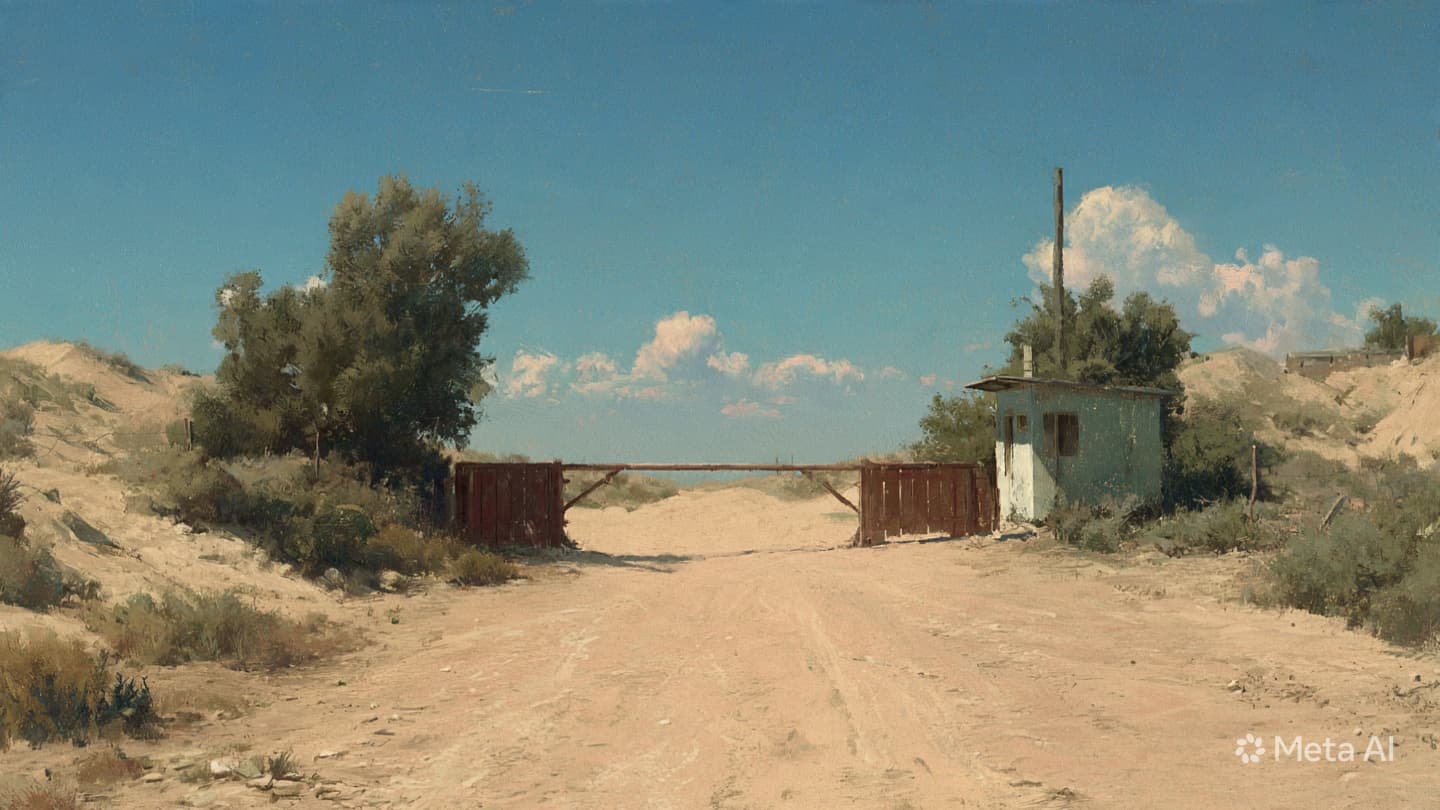
The fertile lands of the western border zone, long a source of agricultural wealth, have transformed into a landscape defined by administrative exclusion and quiet fear. In the aftermath of the northern war, the unresolved governance of this territory has created a bureaucratic mechanism that effectively partitions human rights by ethnicity.
For the native population remaining in the area, the simple act of existing has become an exercise in navigating a discriminatory system designed to encourage their departure. The atmosphere is heavy with the anxiety of arbitrary detention, a reality that materializes without warning at checkpoints and public spaces.
The denial of basic documentation, such as local identification cards, serves as the cornerstone of this restrictive framework, systematically cutting off access to the essentials of life. Without these vital papers, residents find themselves legally paralyzed, unable to access bank accounts, cultivate their fields, or secure formal employment.
The regional administration has restricted freedom of movement to exceptional circumstances, transforming neighborhoods into open-air enclosures where casual travel requires official permits. This systemic marginalization has turned long-term inhabitants into second-class citizens on the very land their families have farmed for generations.
Human rights monitors have documented a steady exodus of individuals fleeing toward central displacement camps, driven away by the untenable conditions of daily survival. The testimonies gathered from those who escaped speak of routine abuses, including unlawful imprisonment and physical violence meted out by local security forces and allied militias.
The temporary authorities in control of the zone have consistently dismissed these findings, labeling international reports as external propaganda designed to subvert local peace initiatives. This stance has created a profound deadlock, blocking independent verification and stalling the return of hundreds of thousands of displaced persons.
The federal government’s proposed solution—a future referendum to settle the territorial dispute—remains a distant and abstract prospect while the immediate humanitarian situation deteriorates. The continuing persecution of the minority population undermines the foundational principles of the national peace agreement signed years prior.
As time passes, the demographic shifts engineered through forced displacement and administrative pressure threaten to permanently alter the character of the region. The silence enveloping the western zone is occasionally broken by the quiet arrival of new refugees in central camps, each carrying stories of a home that is slowly being erased.
Published by Banx Network. This article is part of the Banx decentralized media programme, powered by the BXE token on the XRP Ledger.