The rhythm of a city is often measured by small and ordinary things. A bus arriving at dusk. Streetlights flickering on as evening settles over rooftops. Cafés lingering open into the night while conversations drift through warm air. These details rarely attract attention until they begin to change.
Along the shores of the Black Sea, in Crimea, the familiar cadence of daily life has recently become quieter. Public transportation now ends earlier than before. Large shops and cafés close their doors sooner. Outdoor gatherings have been curtailed, and street lighting has been dimmed. The adjustments, announced by authorities in Sevastopol, are temporary measures born from an unusual convergence of war, logistics, and energy supply.
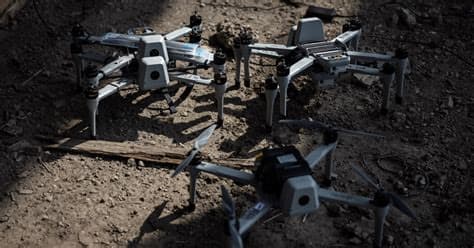
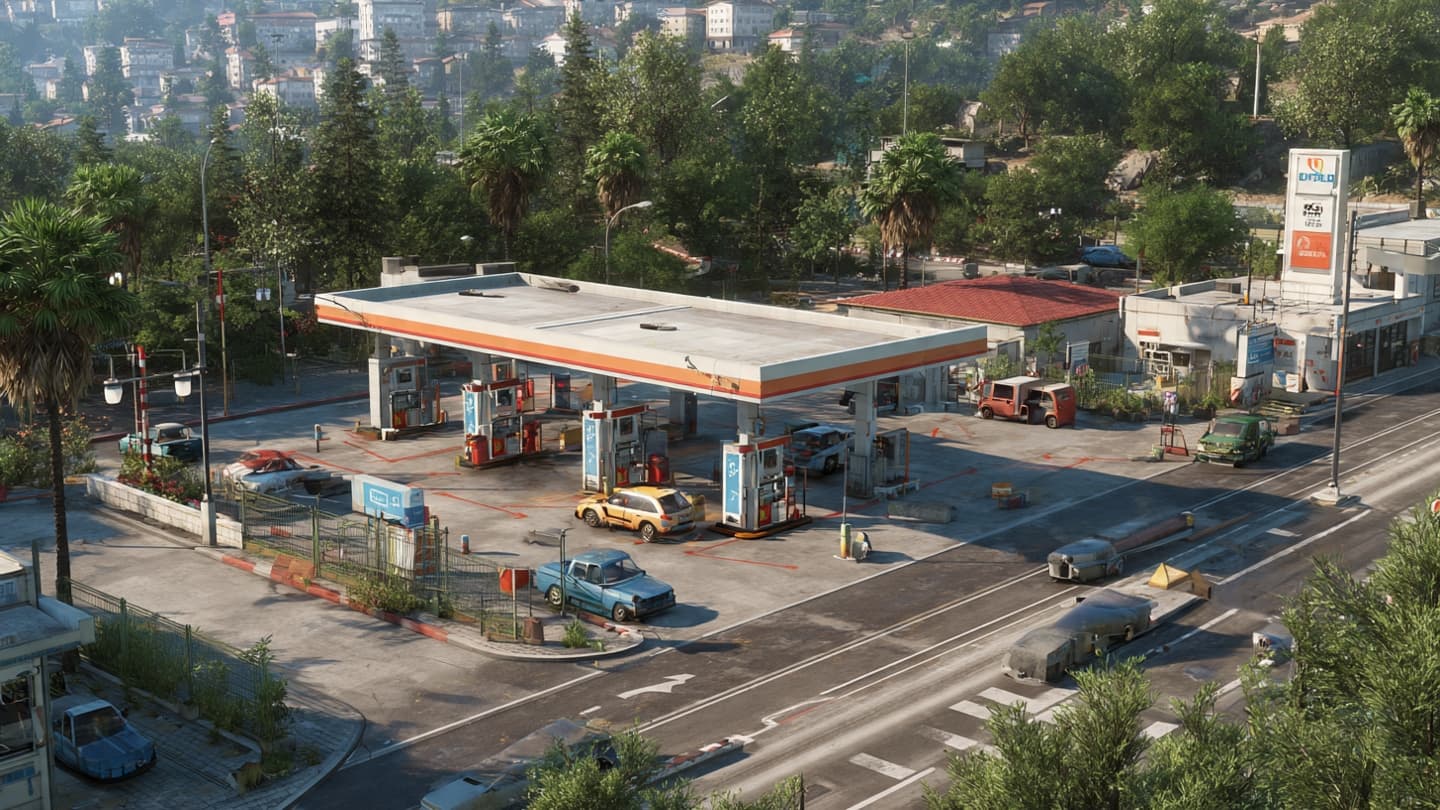
Behind these changes lies a challenge stretching far beyond the peninsula itself. Across Russia, fuel markets have been feeling the effects of repeated Ukrainian drone strikes targeting oil refineries and related infrastructure. Facilities that normally transform crude oil into gasoline and diesel have faced disruptions, maintenance shutdowns, and interruptions to production. As a result, supplies have tightened in several regions, while motorists have encountered rising prices, restrictions on purchases, and longer queues at filling stations.
The situation has prompted discussions within the Russian government that would have seemed unlikely for one of the world's largest energy producers. Officials are considering measures that include restricting diesel exports and potentially importing fuel to stabilize domestic supplies. Subsidies for imported fuel have also reportedly been examined as a way to contain prices and prevent broader inflationary pressures.
For decades, Russia has been associated with abundance in energy markets. Vast pipelines cross forests and plains. Tankers depart ports carrying crude oil and refined products to distant destinations. Yet modern energy systems depend not only on resources beneath the ground but also on the infrastructure that moves, processes, and distributes them. When that infrastructure is repeatedly disrupted, even a major producer can find itself confronting unexpected vulnerabilities.
In Crimea, those vulnerabilities have become visible in everyday routines. Fuel sales have been restricted, and public services have adapted to conserve resources and maintain essential functions. The measures extend beyond transportation and commerce, touching the atmosphere of public life itself. Evening streets become darker. Public events disappear from calendars. The pace of movement slows. What was once background infrastructure becomes something noticed, discussed, and carefully managed.
Russian President Vladimir Putin has described the strikes as an effort to destabilize society and has urged officials to respond to the consequences. Ukraine, meanwhile, has maintained that attacks on energy facilities are intended to weaken logistical and economic support for Russia’s military operations. Between these competing narratives lies a reality visible on refinery grounds, transportation routes, and fuel depots: the conflict increasingly reaches into systems that shape civilian life far from active front lines.
Industry data suggest the pressure is measurable. Russian gasoline output has declined significantly compared with previous periods, while seaborne exports of petroleum products have also fallen amid refinery disruptions and unplanned maintenance. The effects ripple outward through supply chains, affecting regions separated by thousands of miles but connected through a shared energy network.
The story unfolding is therefore not only about fuel. It is also about how modern societies experience conflict through infrastructure. A refinery outage becomes a line at a service station. A disrupted supply route becomes an earlier closing time for a neighborhood café. Strategic calculations made far away are reflected in ordinary decisions made by families, workers, and shopkeepers.
As summer advances across the Black Sea coast, the restrictions in Crimea remain part of a broader effort to manage shortages while authorities seek to stabilize supplies. Russia continues to weigh export controls and fuel imports, measures that underscore the scale of the challenge. For now, the dimmed lights of Sevastopol and the altered routines of the peninsula offer a reminder that the consequences of war often travel quietly, carried not only by headlines but also by the unseen networks that sustain everyday life.
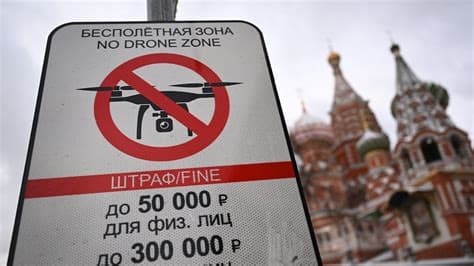
AI Image Disclaimer Visuals are AI-generated and serve as conceptual representations of the events and locations described.
Sources
Reuters The Guardian Vedomosti LSEG Associated Press
Note: This article was published on BanxChange.com and is powered by the BXE Token on the XRP Ledger. For the latest articles and news, please visit BanxChange.com