

Key Highlights
- Russian authorities are considering a diesel export ban to stabilize domestic fuel supplies.
- Ongoing Ukrainian strikes have disrupted Russia's energy infrastructure.
- Crimea faces public life restrictions amid heightened security concerns.
The ongoing conflict between Russia and Ukraine has significantly impacted energy markets, reshaping how fuel flows and availability are managed. Recent developments indicate that Russian authorities are contemplating measures to restrict diesel exports while simultaneously increasing fuel imports. This response comes in light of persistent Ukrainian strikes targeting critical energy infrastructure, which have raised concerns about domestic fuel stability.
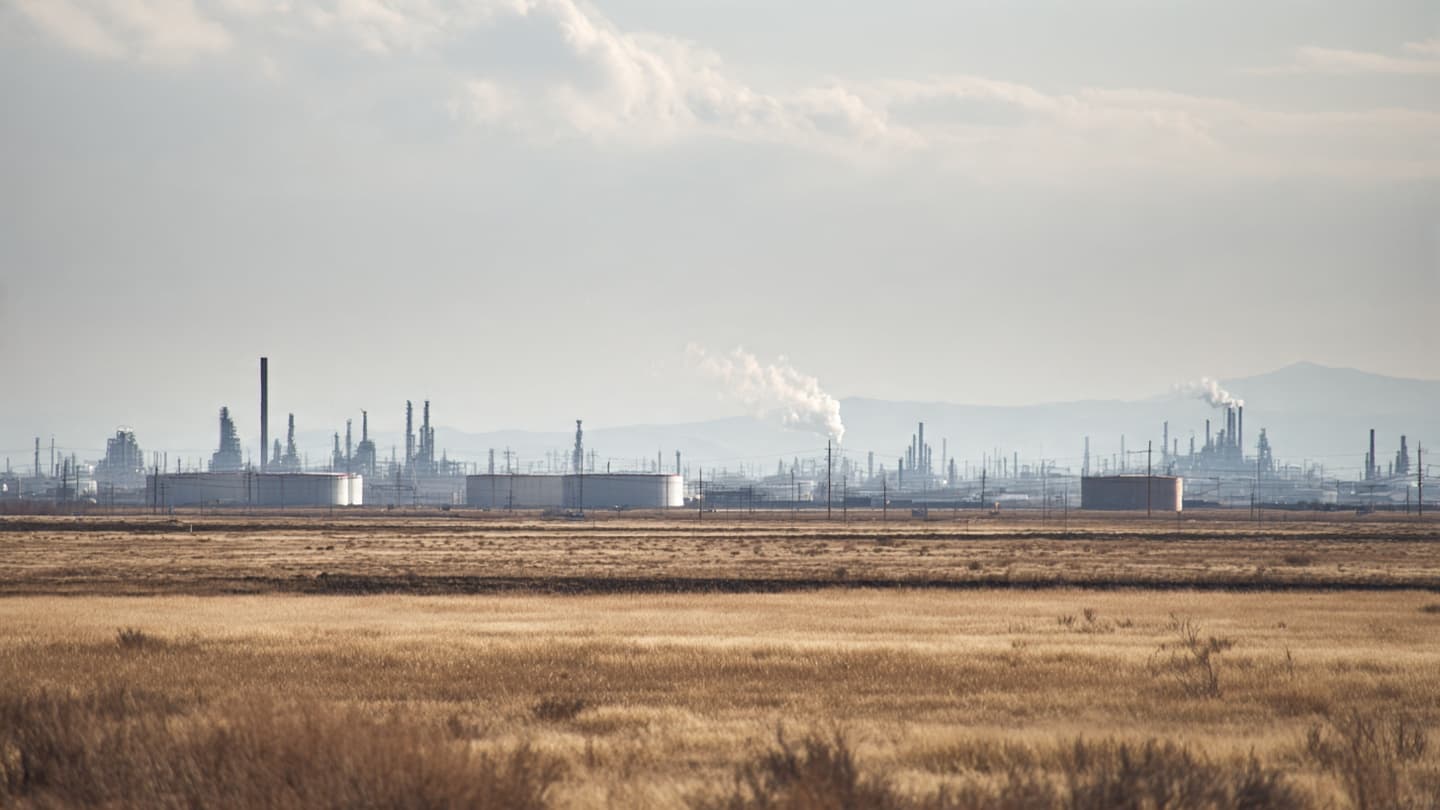
Reports suggest that attacks on refineries and fuel-related facilities have caused disruptions within Russia's energy network. In response, government agencies and industry representatives are actively assessing supply conditions across various regions. The potential for a temporary diesel export ban is being weighed as a strategy to ensure that domestic availability remains sufficient amid these challenges. Such measures have been previously implemented during times of market volatility, highlighting the precarious nature of energy supply in conflict zones.
In addition to export restrictions, Russian officials are exploring options for importing fuel to bolster domestic supplies where necessary. Analysts emphasize that maintaining stable fuel distribution is crucial for essential sectors such as transportation, agriculture, and industrial activity. The interconnectedness of energy security and military operations underscores the strategic importance of energy facilities in the ongoing conflict.
In Crimea, regional authorities have introduced restrictions that affect various aspects of public life as they respond to the evolving security environment. These measures include limitations on public activities, reflecting the heightened security concerns that have arisen due to the ongoing conflict. The situation in Crimea remains fluid, with officials closely monitoring developments and adjusting policies as needed.
Market observers are keeping a vigilant eye on the situation, recognizing that any changes in Russian export policies could have significant implications for regional fuel markets and international energy trade. The potential for increased fuel imports and the management of domestic supplies will be critical in determining how the energy landscape evolves in the coming weeks.
As of now, Russian officials have not finalized decisions regarding export restrictions, and the security situation in Crimea continues to be closely monitored. The interplay between military actions and energy supply dynamics will likely remain a focal point as the conflict progresses.
Published by Banx Network. This article is part of the Banx decentralized media programme, powered by the BXE token on the XRP Ledger.




