
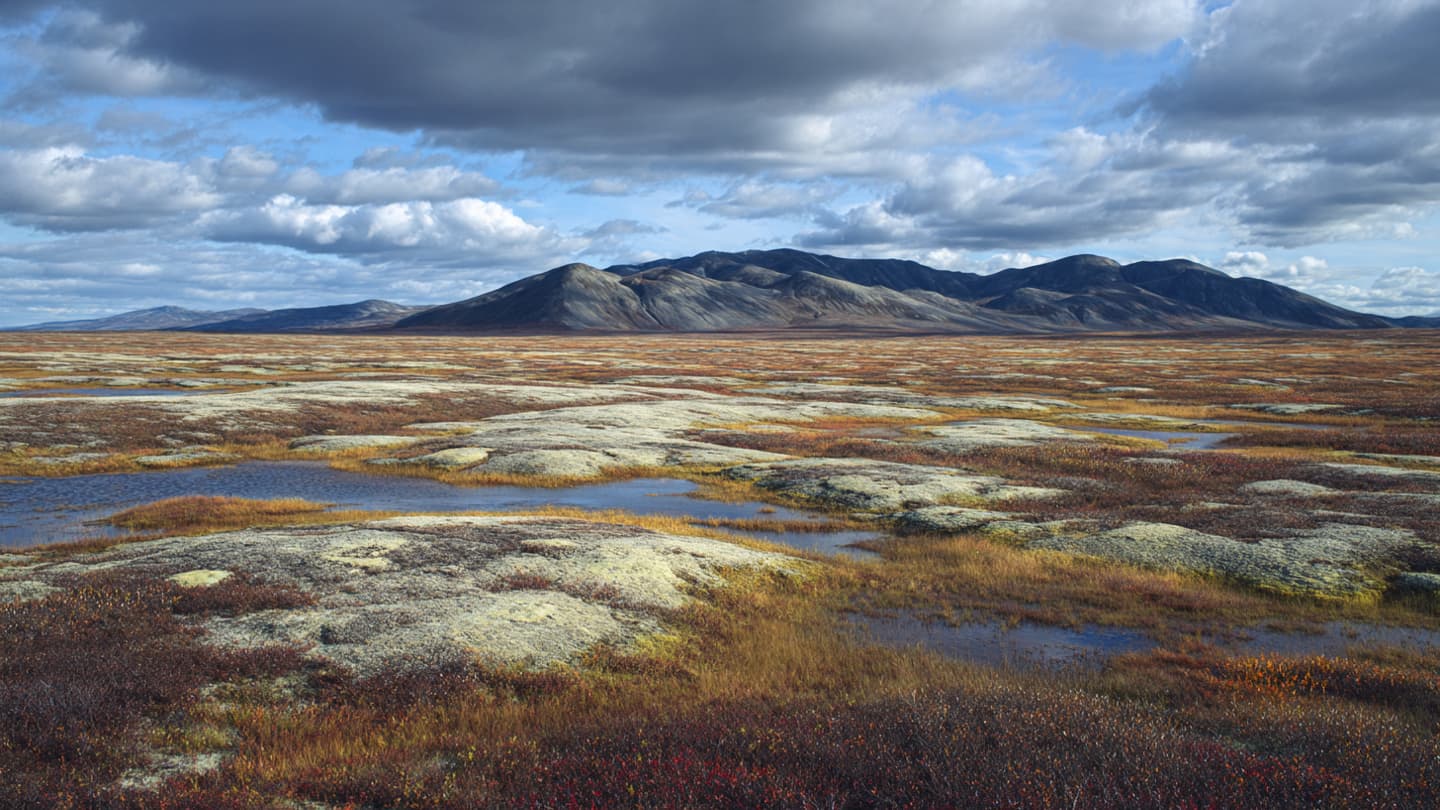
Across the Arctic, frozen ground that has remained locked for thousands of years is beginning to change. As temperatures rise, landscapes once considered permanent are shifting, reminding scientists that nature often resists simple explanations.
A landmark study has found that thawing permafrost does not only release carbon dioxide into the atmosphere. Under certain conditions, newly thawed ecosystems can also absorb carbon, revealing a more complex carbon cycle than previously understood.
Permafrost stores immense quantities of organic material accumulated over millennia. As frozen soils thaw, microbes break down this material, releasing greenhouse gases such as carbon dioxide and methane.
For years, researchers have warned that widespread thawing could significantly accelerate climate change by increasing atmospheric greenhouse gas concentrations. Those concerns remain substantial.
However, the new study indicates that plant growth stimulated by warmer conditions may partially offset some emissions. In areas where vegetation expands rapidly, ecosystems can capture carbon dioxide through photosynthesis.
Scientists caution that the overall balance remains uncertain and varies greatly across different Arctic regions. Carbon absorption observed in some landscapes does not necessarily compensate for emissions occurring elsewhere.
Researchers emphasize that methane emissions remain particularly concerning because methane is a powerful greenhouse gas. Even if certain areas absorb carbon dioxide, increasing methane releases could still intensify warming.
The findings underscore the complexity of Earth's climate system. Rather than behaving uniformly, Arctic ecosystems respond differently depending on soil conditions, hydrology, vegetation, and local climate patterns.
Experts say continued long-term monitoring will be essential to understand how permafrost regions influence future climate trends and to improve global climate models.
AI Image Disclaimer Some accompanying visuals have been created with AI assistance to illustrate environmental processes described in this report.
Sources Verification Check Credible sources confirmed:
Nature Climate Change University of Oslo NASA BBC Science Focus Reuters
Note: This article was published on BanxChange.com and is powered by the BXE Token on the XRP Ledger. For the latest articles and news, please visit BanxChange.com