In deep space, distance creates silence as much as isolation. Signals traveling between Earth and spacecraft can take minutes or even hours to arrive, leaving machines far from home forced to operate with increasing independence. To address this challenge, NASA engineers are now developing advanced AI-powered computer chips designed to help future spacecraft think and respond more autonomously during missions beyond Earth.
According to researchers involved in the project, the new processors are being engineered specifically for the harsh conditions of space. Unlike ordinary commercial chips used in smartphones or personal computers, space-based systems must survive intense radiation, extreme temperatures, and years of uninterrupted operation far from repair facilities.
Artificial intelligence is expected to play a growing role in helping spacecraft analyze data, detect hazards, and make limited operational decisions without waiting for instructions from Earth. This capability could become especially important for missions traveling deeper into the solar system where communication delays are unavoidable.
NASA scientists say autonomous systems may improve navigation efficiency and scientific research during future lunar, Martian, and asteroid missions. Spacecraft equipped with advanced onboard AI could potentially identify unusual geological formations, prioritize important data, or respond quickly to unexpected technical problems.
The development also reflects the broader expansion of artificial intelligence into multiple scientific fields. AI systems are increasingly being used in climate research, medicine, astronomy, and robotics, where large amounts of data require rapid analysis and pattern recognition.
Engineers emphasize, however, that autonomy in space exploration will still operate within carefully designed safety limitations. Human oversight remains essential, particularly during critical mission phases involving astronaut safety or high-risk maneuvers. Current systems are intended to assist decision-making rather than replace mission control entirely.
The technology may also support future crewed exploration missions. Astronauts traveling long distances from Earth could rely on intelligent onboard systems for diagnostics, maintenance support, and operational monitoring. In environments where immediate human assistance from Earth is impossible, reliable AI tools may become increasingly valuable.
Private aerospace companies are also investing heavily in AI-driven systems as competition within the space industry expands. Collaboration between public agencies and commercial firms has accelerated innovation across satellite technology, robotics, and autonomous mission design in recent years.
As testing continues, NASA’s new AI-powered chips represent another step toward a future where spacecraft operate with greater independence across deep space. Though still under development, the project reflects how artificial intelligence is steadily becoming part of humanity’s evolving relationship with exploration beyond Earth.
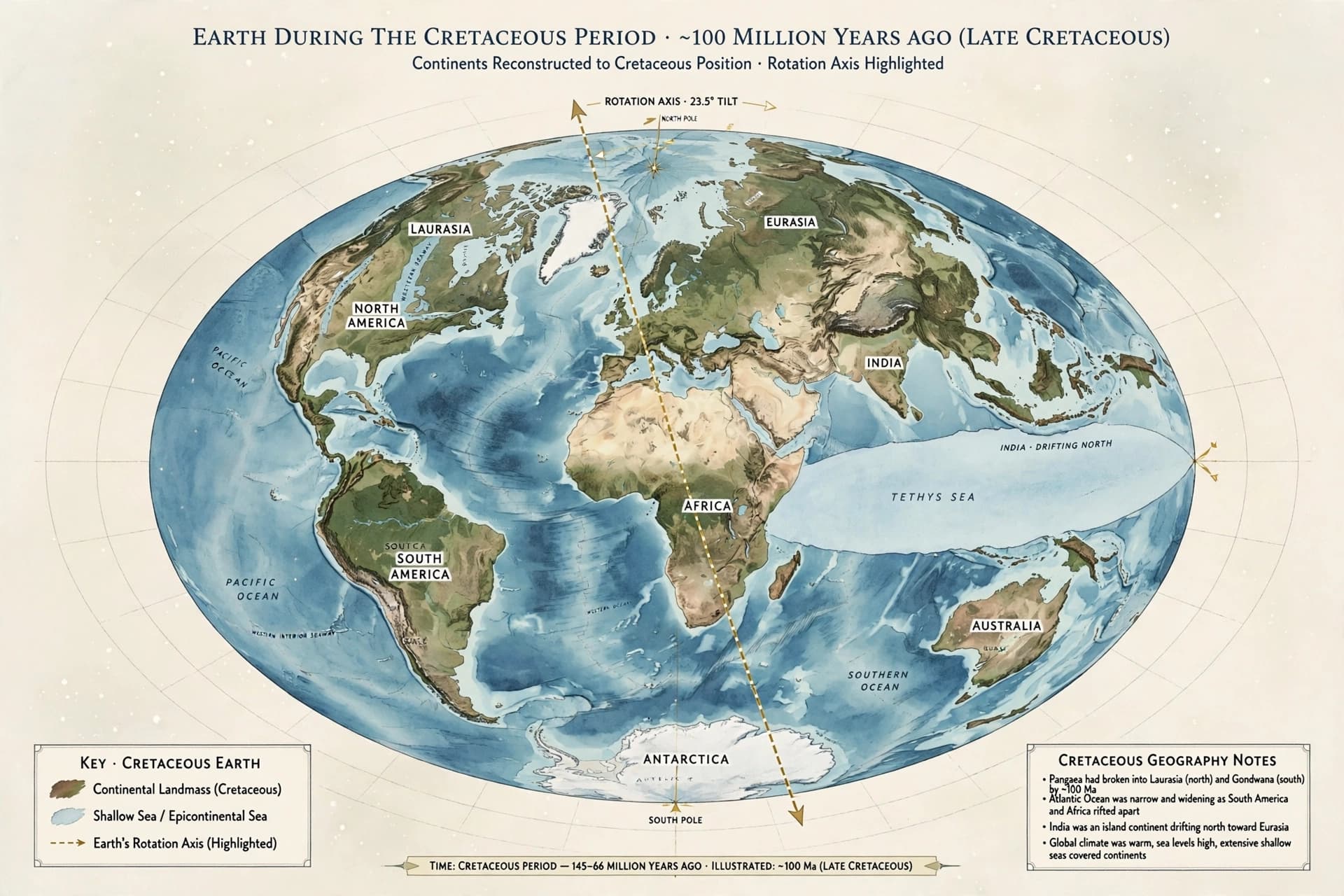
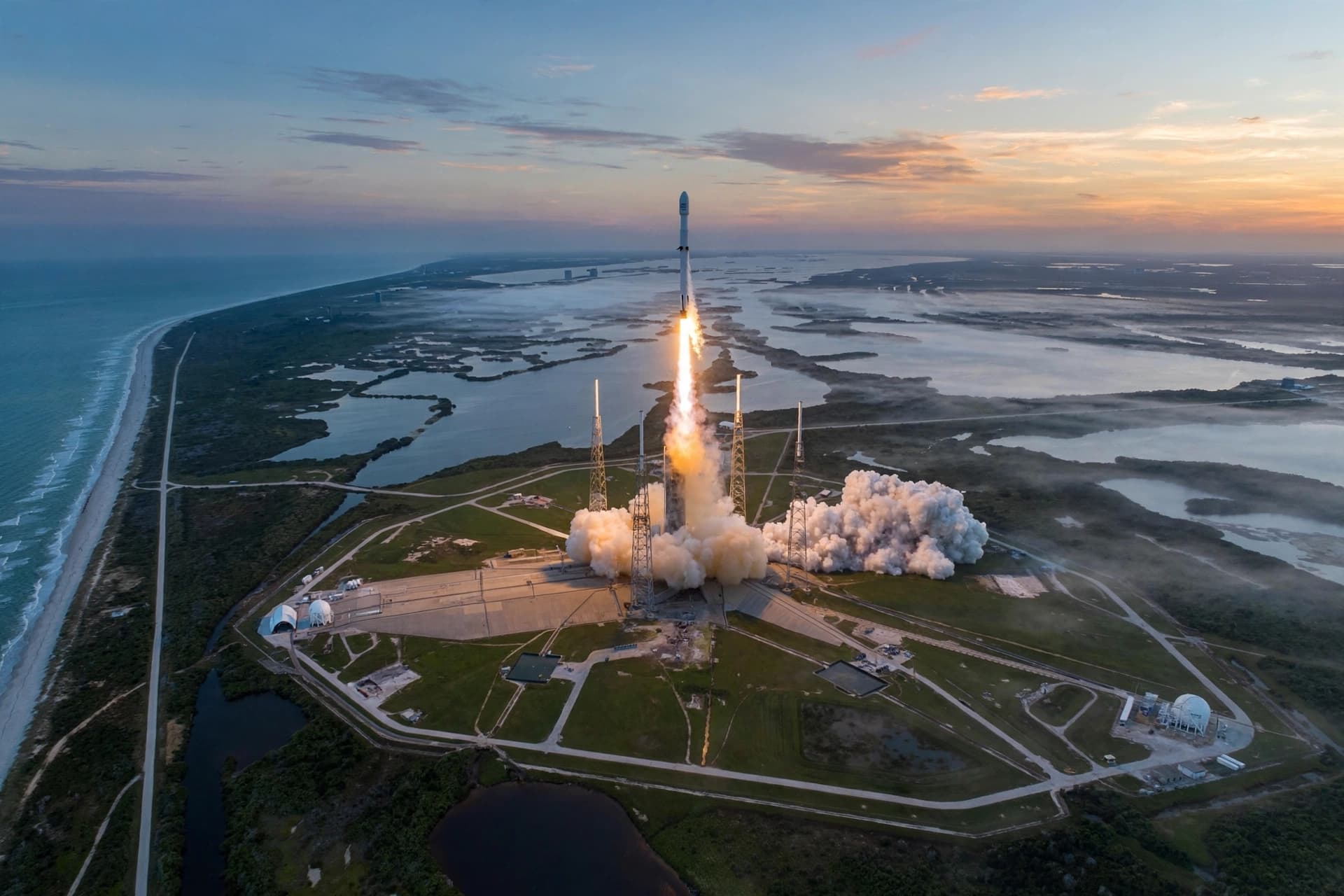
AI Image Disclaimer: Some illustrations associated with this article may include AI-generated visualizations created for scientific and editorial storytelling.
Sources: NASA, ScienceDaily, Space.com, MIT Technology Review
Published by Banx Network. This article is part of the Banx decentralized media programme, powered by the BXE token on the XRP Ledger.