Human spaceflight has always unfolded through partnerships shaped by ambition, engineering, and uncertainty. Like a long voyage across difficult seas, lunar exploration depends not only on powerful rockets but also on coordination between institutions carrying different responsibilities toward the same distant horizon. Recent updates to NASA’s Artemis III mission have now added new complexity to the role of SpaceX within the program.
Artemis III remains one of NASA’s most closely watched projects because it aims to return astronauts to the Moon for the first time since the Apollo era. The mission is expected to include a lunar landing near the Moon’s south polar region, an area scientists believe may contain frozen water deposits valuable for future exploration.
Under existing plans, SpaceX is responsible for developing the Human Landing System designed to transport astronauts from lunar orbit to the Moon’s surface and back again. NASA’s updated timelines and technical adjustments, however, have increased attention on how multiple systems must work together under demanding schedules.
The complexity surrounding Artemis III reflects the broader architecture of modern space missions. Unlike earlier lunar programs managed largely through centralized government systems, today’s missions involve partnerships between public agencies and commercial aerospace companies operating under evolving technical requirements.
Engineers continue testing major components, including launch systems, spacesuits, orbital operations, and lunar landing technology. Each stage depends on extensive safety reviews and integration between separate hardware systems. Delays in one area can influence timelines across the broader mission structure.
SpaceX itself remains heavily involved in several parallel projects, including satellite deployment, reusable rocket development, and additional deep-space initiatives. Analysts note that balancing multiple large-scale programs simultaneously presents logistical and engineering challenges even for experienced aerospace organizations.
NASA officials have emphasized that adjustments to schedules and operational planning are normal within programs of this scale. Human lunar missions involve extraordinary technical precision, particularly when astronaut safety remains the central priority. As a result, agencies often revise timelines as testing and development continue.
The Artemis program also carries symbolic importance beyond engineering alone. Many scientists and policymakers view it as part of a larger effort to establish sustained human presence beyond Earth orbit while strengthening international cooperation in space exploration.
For now, NASA and its commercial partners continue refining mission planning as preparations move forward. Artemis III remains a major milestone in modern spaceflight, even as its evolving complexity reflects the demanding realities of returning humans to the lunar surface.
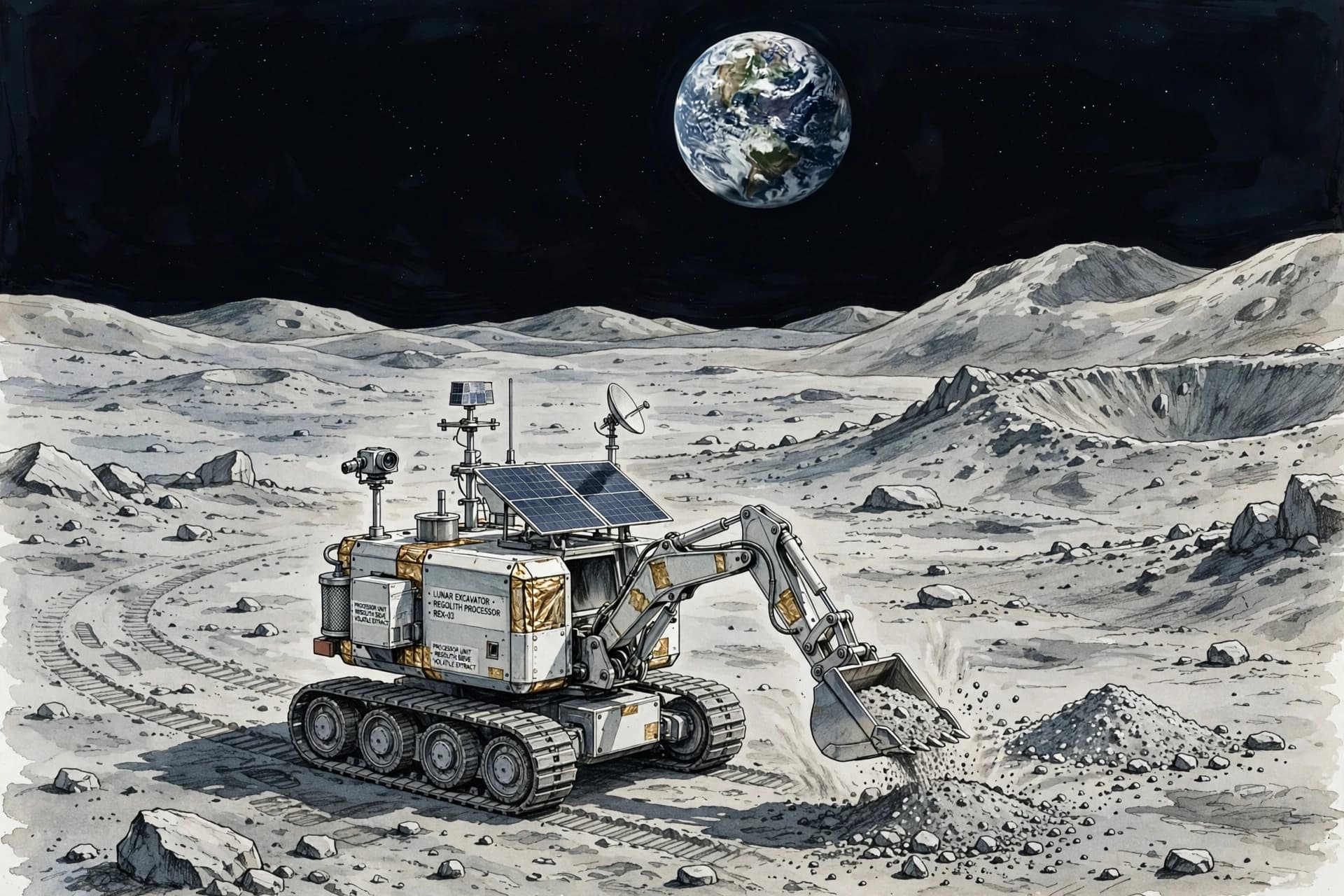
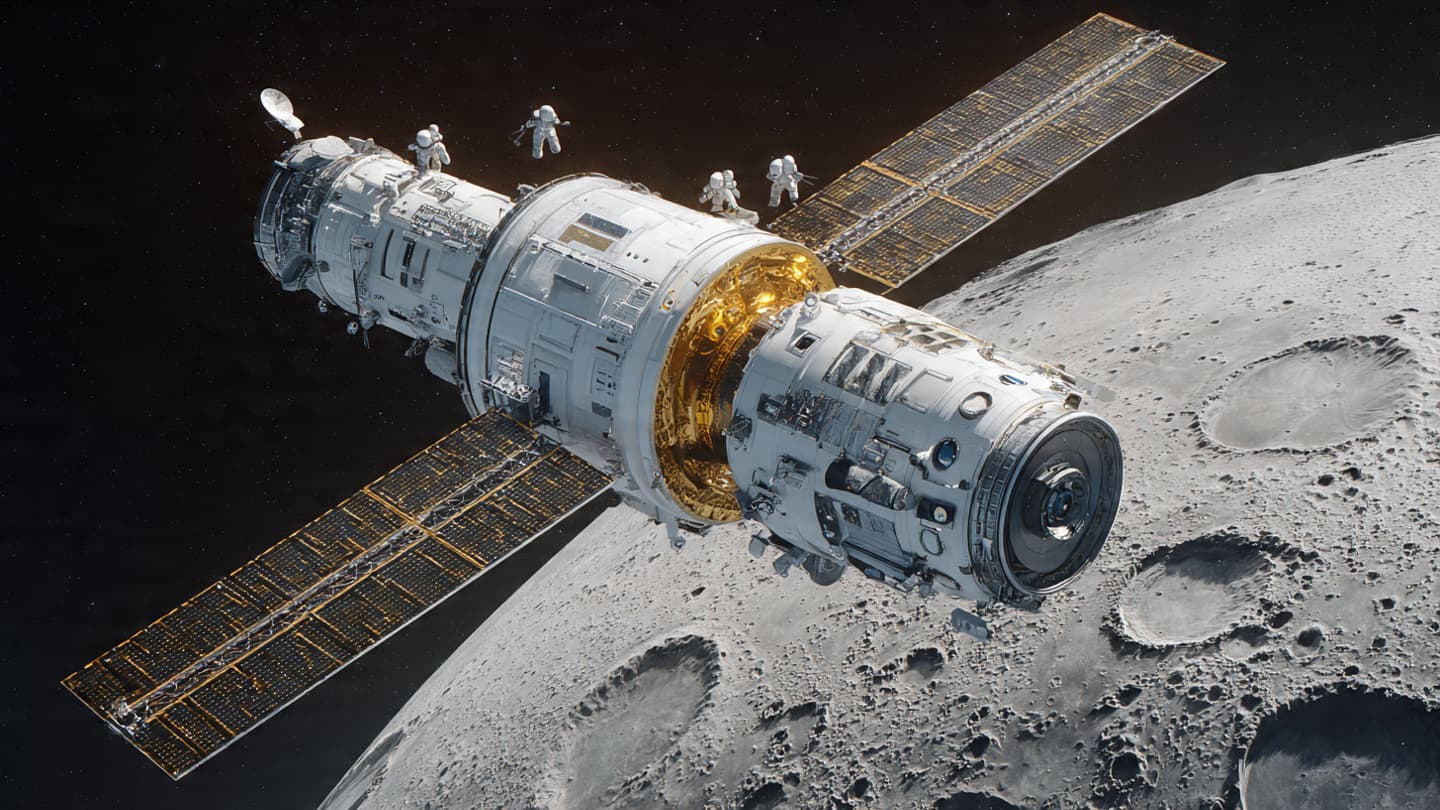
AI Image Disclaimer: Some accompanying space exploration visuals were generated with assistance from AI-based imaging systems.
Sources: Reuters, Ars Technica, Space.com
Published by Banx Network. This article is part of the Banx decentralized media programme, powered by the BXE token on the XRP Ledger.