Space exploration is often remembered through dramatic launches and distant planetary images, yet many of its most important moments begin quietly inside assembly buildings, testing facilities, and launch complexes. The rollout of NASA’s Artemis III rocket reflects one of those transitional moments, where engineering preparation gradually becomes visible evidence of larger human ambition.
NASA recently began moving key rocket components connected to the Artemis III mission into position for further testing and integration. The mission, planned as part of the agency’s expanding lunar exploration program, aims to carry astronauts toward the Moon in preparation for future long-term operations on and around the lunar surface.
The Artemis III mission holds particular significance because it is expected to support the first human lunar landing under the Artemis program. Unlike earlier eras of spaceflight focused primarily on short visits, modern lunar missions increasingly emphasize sustainability, scientific infrastructure, and preparation for even more distant exploration goals.
At the center of the mission stands NASA’s powerful Space Launch System rocket, designed to transport astronauts and cargo beyond low Earth orbit. The scale of the rocket itself reflects the enormous technical demands involved in deep-space travel. Every stage, engine, and support system undergoes extensive testing before any crewed mission can proceed safely.
Engineers continue carefully reviewing mission readiness through simulations, structural inspections, and hardware evaluations. Space missions involve layers of redundancy and verification because even minor technical failures can carry major consequences once operations leave Earth’s atmosphere. The process may appear slow publicly, but such caution remains fundamental to aerospace safety.
The renewed focus on lunar exploration also reflects broader geopolitical and scientific developments. Governments and private companies increasingly view the Moon not only as a destination for exploration but also as a potential platform for future research, communications systems, and resource utilization technologies. International competition in space has gradually expanded beyond symbolic achievement toward long-term strategic planning.
At the same time, public enthusiasm surrounding Artemis missions continues growing. Educational institutions, science organizations, and younger generations increasingly follow lunar exploration news with renewed curiosity. For many people, these missions symbolize technological optimism during a period often dominated by global crises and political uncertainty on Earth.
Private aerospace companies are also playing increasingly important roles within NASA’s broader lunar strategy. Partnerships involving spacecraft development, cargo systems, and lunar landing technologies reflect how modern exploration now combines government leadership with commercial innovation in ways that differ significantly from the Apollo era.
For now, the Artemis III rollout remains one step within a much longer journey toward returning humans to the Moon. Yet even before launch, the sight of another massive rocket emerging from preparation facilities carries symbolic weight. It suggests that despite political divisions and earthly challenges, humanity continues looking upward, still willing to invest effort, imagination, and patience into exploring worlds beyond its own.
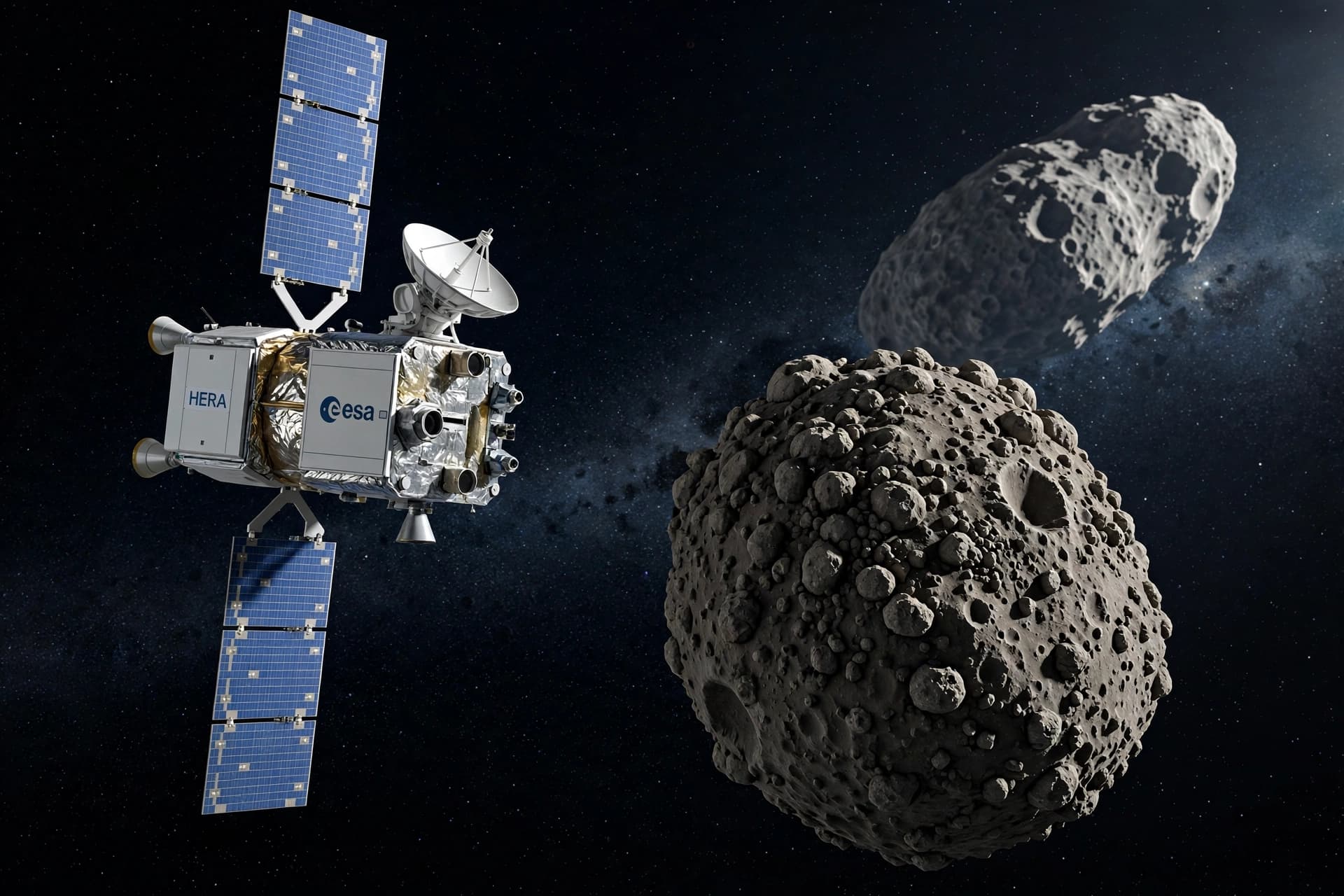
AI Image Disclaimer: Some accompanying images may be AI-generated visualizations inspired by modern lunar mission preparations.
Sources: NASA, Reuters, Space.com
Published by Banx Network. This article is part of the Banx decentralized media programme, powered by the BXE token on the XRP Ledger.