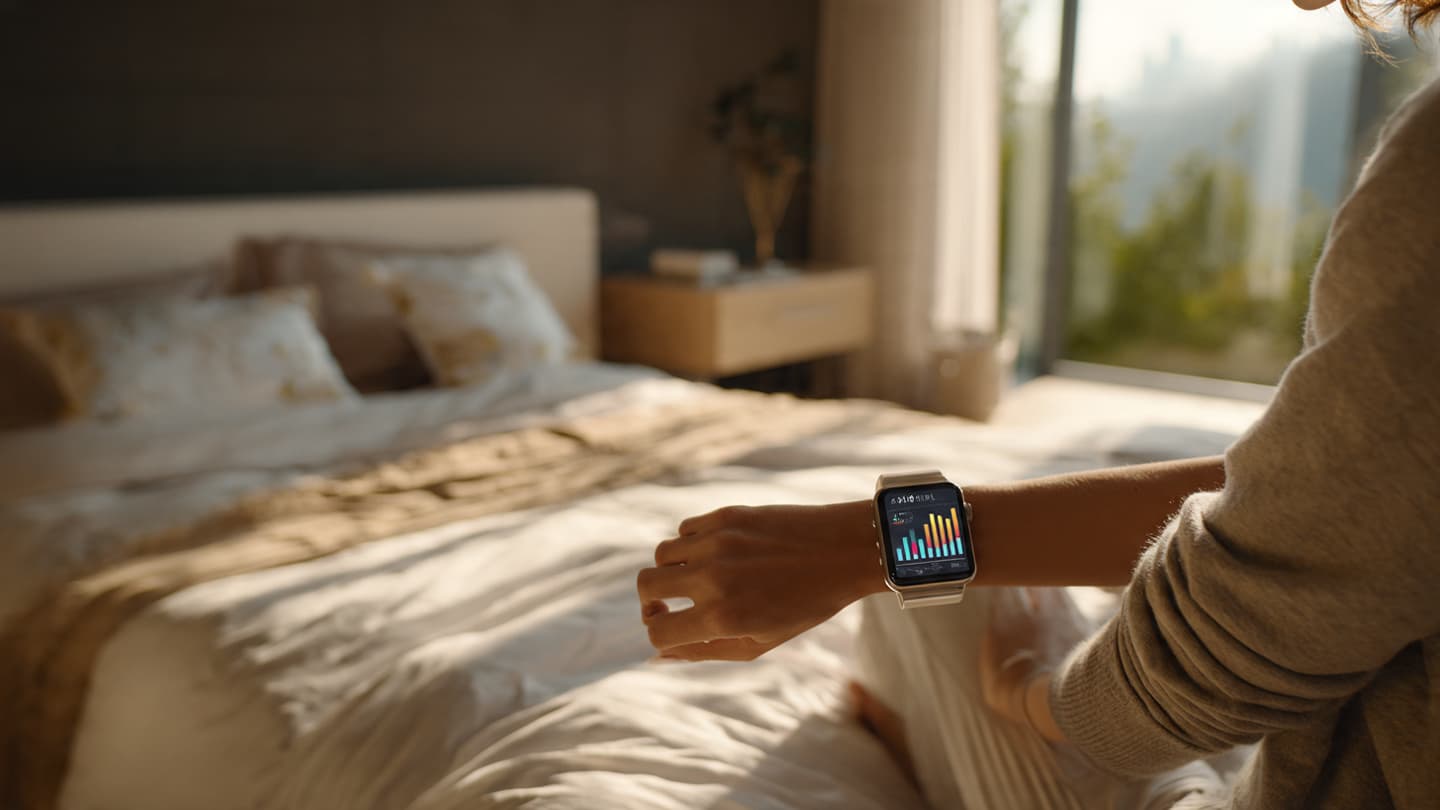
The modern pursuit of sleep often resembles a traveler searching for a quiet shoreline while standing in the middle of a crowded marketplace. Everywhere, promises appear in bright packaging and persuasive advertisements, offering better rest through supplements, gadgets, specialized mattresses, and digital monitoring tools. Yet amid this expanding industry, a growing debate has emerged over whether Americans are receiving genuine solutions or simply more products.
Over the past decade, sleep has transformed from a personal health habit into a major commercial sector. Companies now market wearable trackers, smartphone applications, sleep-enhancing beverages, and a wide range of wellness products designed to improve nighttime recovery. The industry has grown alongside increasing public awareness of sleep's importance.
Medical experts generally agree that adequate sleep plays a critical role in physical and mental health. Research has linked chronic sleep deprivation to higher risks of cardiovascular disease, obesity, diabetes, anxiety, and depression. As a result, many consumers have become eager to invest in products that promise better rest.
However, some sleep researchers argue that the rapid commercialization of sleep has created unintended consequences. They note that consumers are often exposed to exaggerated marketing claims that are not always supported by strong scientific evidence. In some cases, individuals may become overly focused on sleep metrics rather than on healthy sleep habits.
A phenomenon known as "orthosomnia" has attracted attention among specialists. The term describes anxiety caused by excessive monitoring of sleep data. People who constantly review scores and measurements from wearable devices may become more worried about their sleep quality, potentially making it harder to rest comfortably.
Experts emphasize that sleep health frequently depends on simple and well-established practices. Maintaining consistent bedtimes, limiting caffeine late in the day, reducing exposure to bright screens before sleep, and creating a comfortable sleeping environment remain among the most widely recommended approaches.
The discussion has also highlighted broader public health challenges. Long work hours, economic pressures, shift work, and digital distractions continue to affect sleep patterns across the United States. Many specialists argue that these structural factors often have a greater impact on sleep quality than consumer products alone.
As awareness grows, healthcare professionals continue encouraging consumers to evaluate sleep-related claims carefully. Evidence-based medical guidance, they say, remains essential in distinguishing helpful interventions from marketing trends.
The debate surrounding the sleep industry is likely to continue, but experts broadly agree on one point: improving sleep often begins with sustainable habits and informed decisions rather than relying solely on commercial solutions.
AI Image Disclaimer: The illustration accompanying this article is AI-generated and intended solely as a visual representation of the topic.
Sources Verified: Healthline, Mayo Clinic, American Academy of Sleep Medicine, The New York Times
Published by Banx Network. This article is part of the Banx decentralized media programme, powered by the BXE token on the XRP Ledger.