Opening: In the intricate web of global technology supply chains, a significant shift is underway toward domestic production. Apple has announced a substantial increase in its spending with Broadcom, aiming to produce billions more chips within the United States. This multi-billion dollar commitment reflects a broader strategic pivot toward securing critical components closer to home. It is a move that underscores the growing importance of semiconductor sovereignty and the desire to reduce reliance on foreign manufacturing. As these two tech giants deepen their partnership, they are not just building chips; they are building a foundation for future technological independence.
Body: The expanded agreement, expected to exceed 30 billion, will lead to the production of more than 15 billion custom wireless chips in the U.S. over the coming years. These chips, essential for connectivity features in iPhones, iPads, and other devices, will be designed by Apple and manufactured by Broadcom at its facilities in Colorado and other American locations. This collaboration marks a significant milestone in the effort to revitalize domestic semiconductor manufacturing, a sector that has seen much of its production move overseas in recent decades.
For Apple, this deal offers greater control over its supply chain and ensures a steady flow of high-quality components. In an era where chip shortages can disrupt product launches and sales, having a reliable domestic partner is invaluable. It also aligns with the company’s public commitments to environmental sustainability and ethical sourcing, as U.S. manufacturing often adheres to stricter regulatory standards. By investing in Broadcom, Apple is supporting jobs and innovation within its own borders.
Broadcom, for its part, sees this as a major validation of its engineering capabilities and manufacturing prowess. The company plans to invest 1.5 billion to expand its facility in Fort Collins, Colorado, creating hundreds of new jobs. This expansion will enhance its ability to produce advanced application-specific integrated circuits (ASICs), which are tailored to meet Apple’s specific performance and efficiency requirements. The partnership extends through 2031, providing long-term stability for both firms.
The geopolitical context of this deal cannot be ignored. Amidst rising tensions between the U.S. and China, and ongoing efforts to secure critical technology infrastructure, domestic chip production has become a national priority. Government incentives, such as those provided by the CHIPS Act, have encouraged companies like Apple and Broadcom to bring manufacturing back to the U.S. This alignment of corporate strategy with national interest creates a powerful momentum for change.
From a technical perspective, producing these chips domestically allows for tighter integration between design and fabrication. Engineers from both companies can collaborate more closely, leading to faster iteration and optimization. This proximity can result in chips that are more energy-efficient and powerful, enhancing the user experience across Apple’s ecosystem. It is a testament to the benefits of vertical integration and close industrial partnerships.
However, challenges remain. Building and operating semiconductor fabs in the U.S. is expensive, and the workforce requires specialized training. Both companies are investing heavily in education and recruitment to ensure they have the talent needed to sustain this growth. Additionally, global competition in the chip market remains fierce, with rivals in Asia continuing to innovate and scale. Maintaining a competitive edge will require continuous investment and adaptation.
As the first batches of these U.S.-made chips begin to roll out, attention will turn to their performance and impact on device pricing. Consumers may see subtle improvements in connectivity and battery life, while also feeling a sense of pride in supporting American manufacturing. The success of this initiative could inspire other tech companies to follow suit, further strengthening the domestic semiconductor industry.
Closing: Apple has committed to spending over 30 billion with Broadcom to produce more than 15 billion custom chips in the United States. This partnership supports domestic manufacturing, creates jobs, and enhances supply chain security. It represents a significant step toward technological sovereignty and industrial resilience.
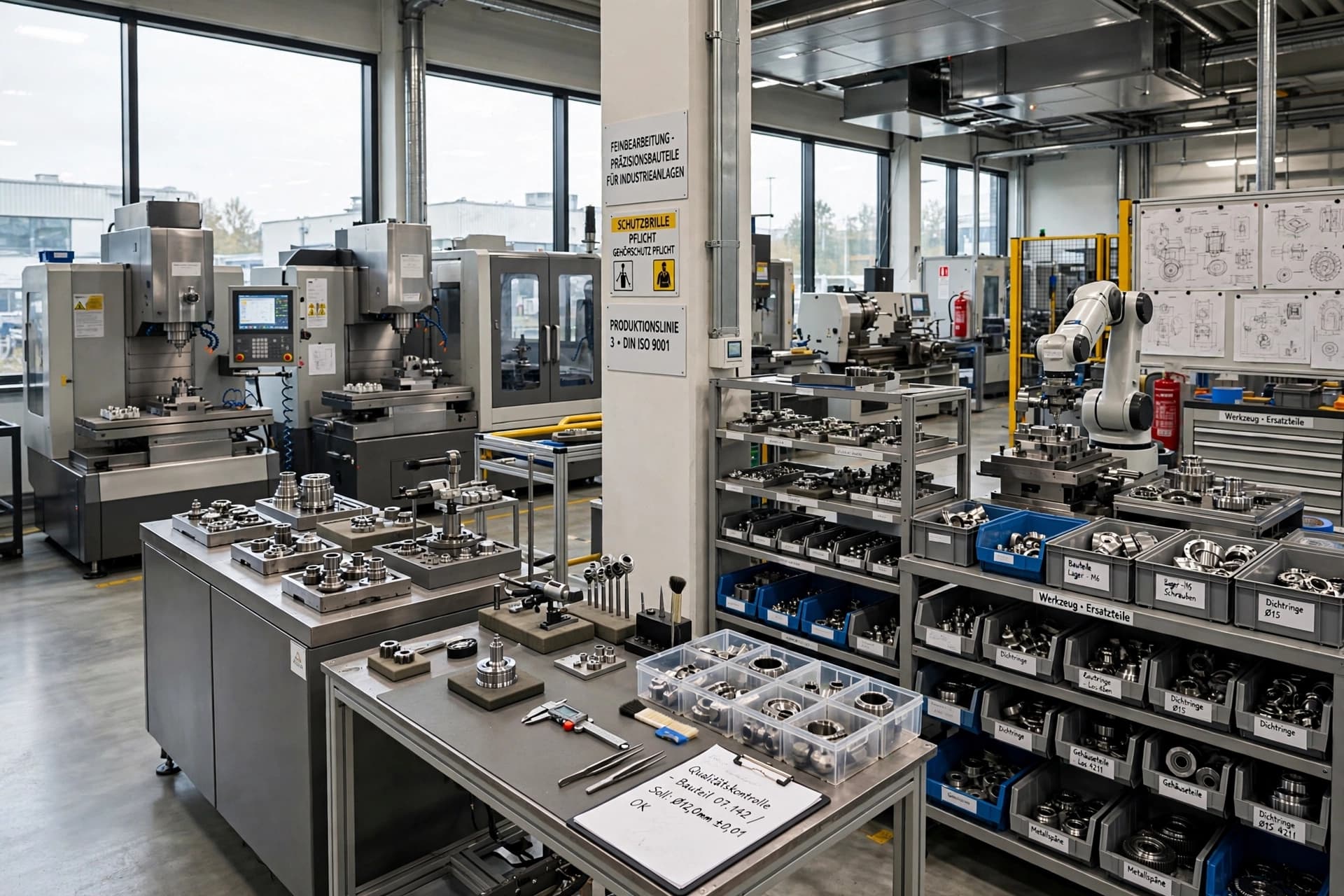
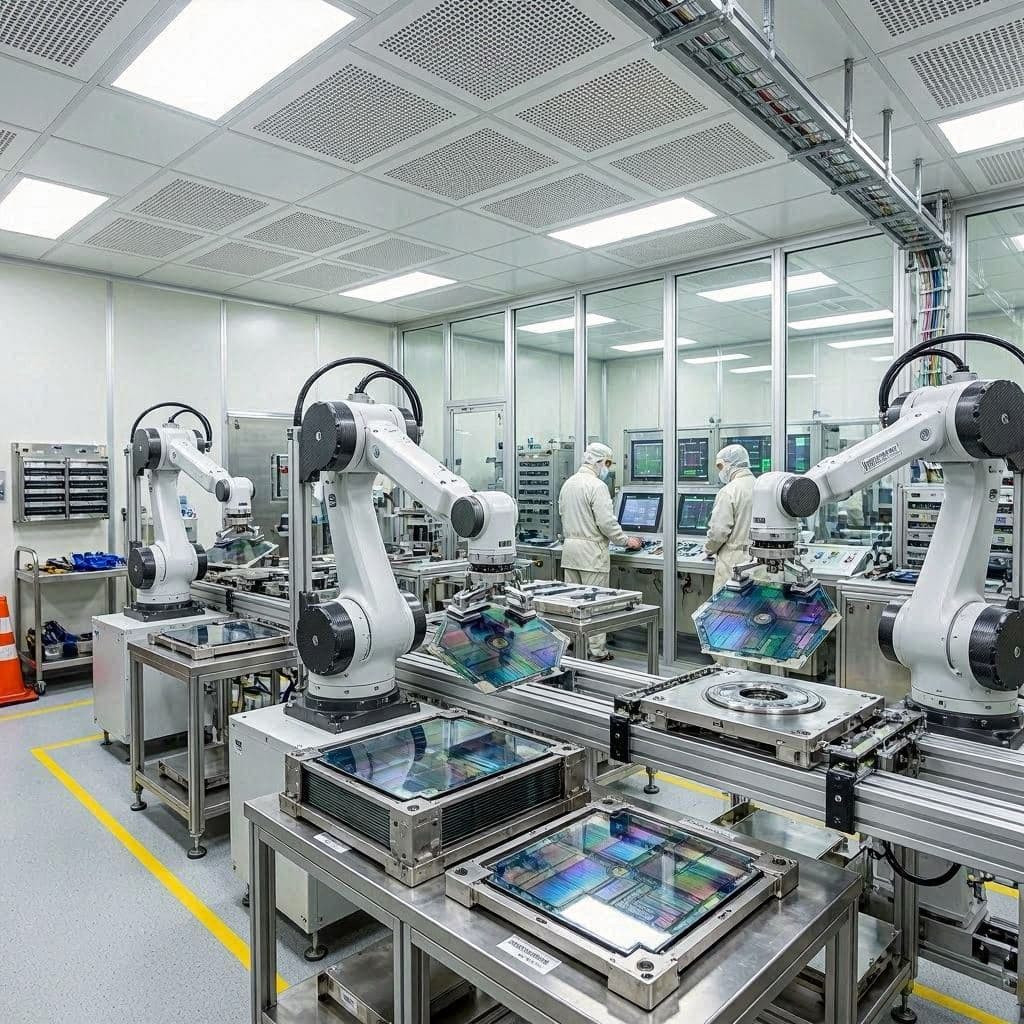
AI Image Disclaimer: Please note that the visual illustrations accompanying this article are AI-generated representations intended to contextualize the discussion on semiconductor manufacturing and corporate partnerships.
Sources: CNBC Bloomberg MacRumors CNN Business
Published by Banx Network. This article is part of the Banx decentralized media programme, powered by the BXE token on the XRP Ledger.