The center of our galaxy is often compared to a crowded city seen through a distant fog. Countless stars, clouds of gas, and powerful gravitational forces gather in a region so complex that even modern instruments struggle to untangle its stories. Yet from time to time, a new observation acts like a lantern in the darkness, revealing traces of events that unfolded long before humanity first looked toward the night sky.
NASA scientists have reported that an X-ray observatory has identified evidence of supernova remnants near the heart of the Milky Way. The discovery offers researchers a clearer view of violent stellar explosions that once reshaped portions of the galaxy and scattered heavy elements across interstellar space.
Supernovae occur when massive stars reach the end of their lives and explode, releasing enormous amounts of energy. These events play a crucial role in the cosmic cycle by distributing elements such as iron, calcium, and oxygen, which later become part of new stars, planets, and other celestial bodies.
The newly identified wreckage was detected through X-ray observations, which allow astronomers to study high-energy phenomena that may be invisible in ordinary visible light. By examining the structure and composition of the remnant, researchers can reconstruct details about the original explosion and its aftermath.
Studying the galactic center presents significant challenges. Dense clouds of gas and dust often obscure observations, making it difficult to distinguish individual objects. X-ray instruments help overcome some of these obstacles by revealing energetic processes hidden behind those cosmic barriers.
Researchers believe the discovery may contribute to a broader understanding of how the Milky Way has evolved over millions of years. Each supernova remnant serves as a historical record, preserving clues about star formation, chemical enrichment, and the dynamic environment near the galaxy’s core.
The finding also demonstrates the continuing value of space-based observatories. Advanced instruments operating beyond Earth’s atmosphere provide perspectives that ground-based telescopes alone cannot achieve, expanding humanity’s ability to study distant and energetic phenomena.
Astronomers expect additional observations to refine their understanding of the remnant’s age, origin, and relationship to surrounding structures. Such investigations may reveal further details about the history of one of the most complex regions in our galaxy.
The discovery adds another piece to the Milky Way’s vast puzzle. As researchers continue exploring the galactic center, each new observation helps illuminate a history written across the stars long before Earth itself took shape.
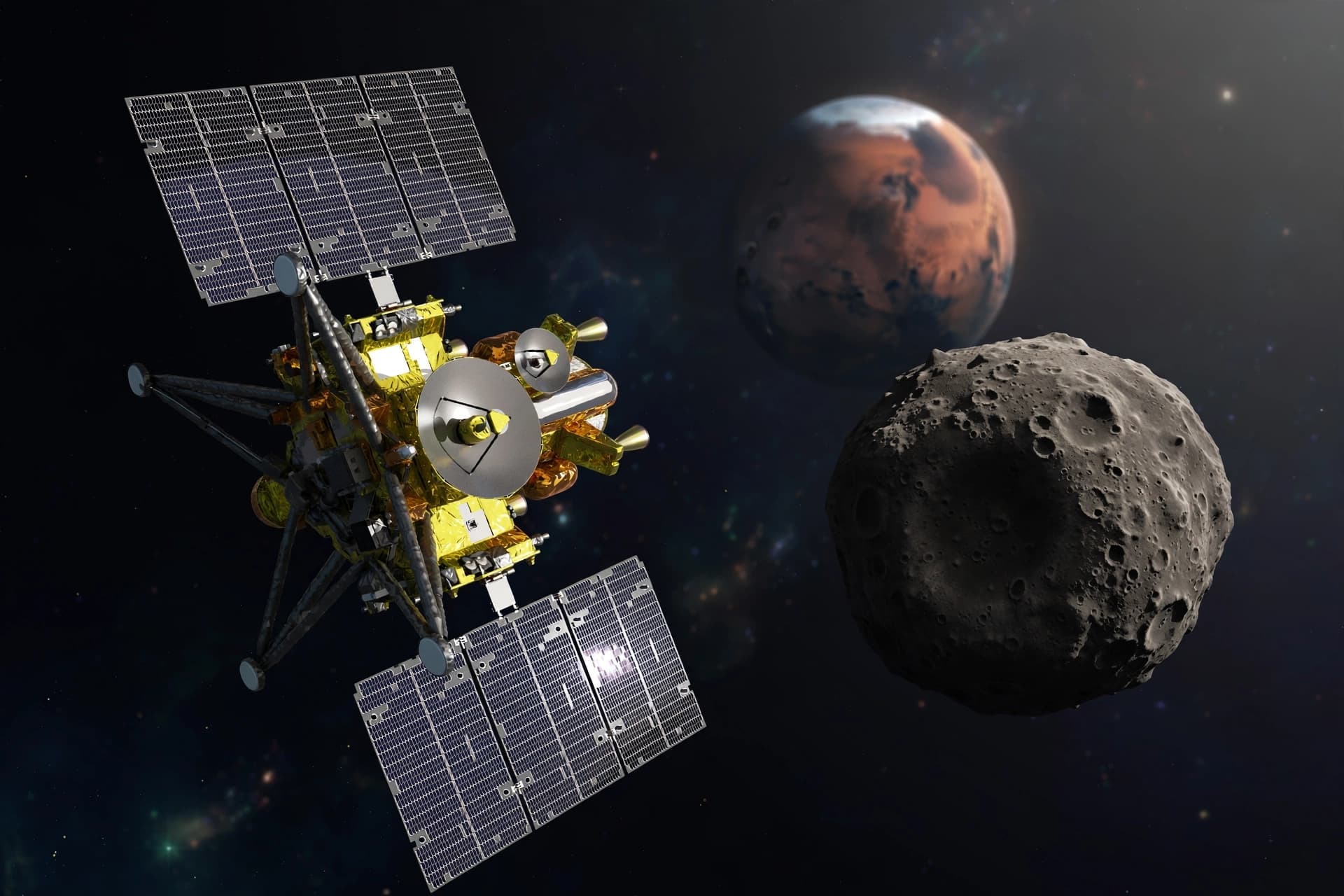
AI Image Disclaimer: The visuals associated with this article are AI-generated interpretations created to illustrate the scientific concepts discussed.
Sources (Verification Check):
NASA Chandra X-ray Observatory Space.com Astrophysical Journal research publications ScienceDaily
Published by Banx Network. This article is part of the Banx decentralized media programme, powered by the BXE token on the XRP Ledger.