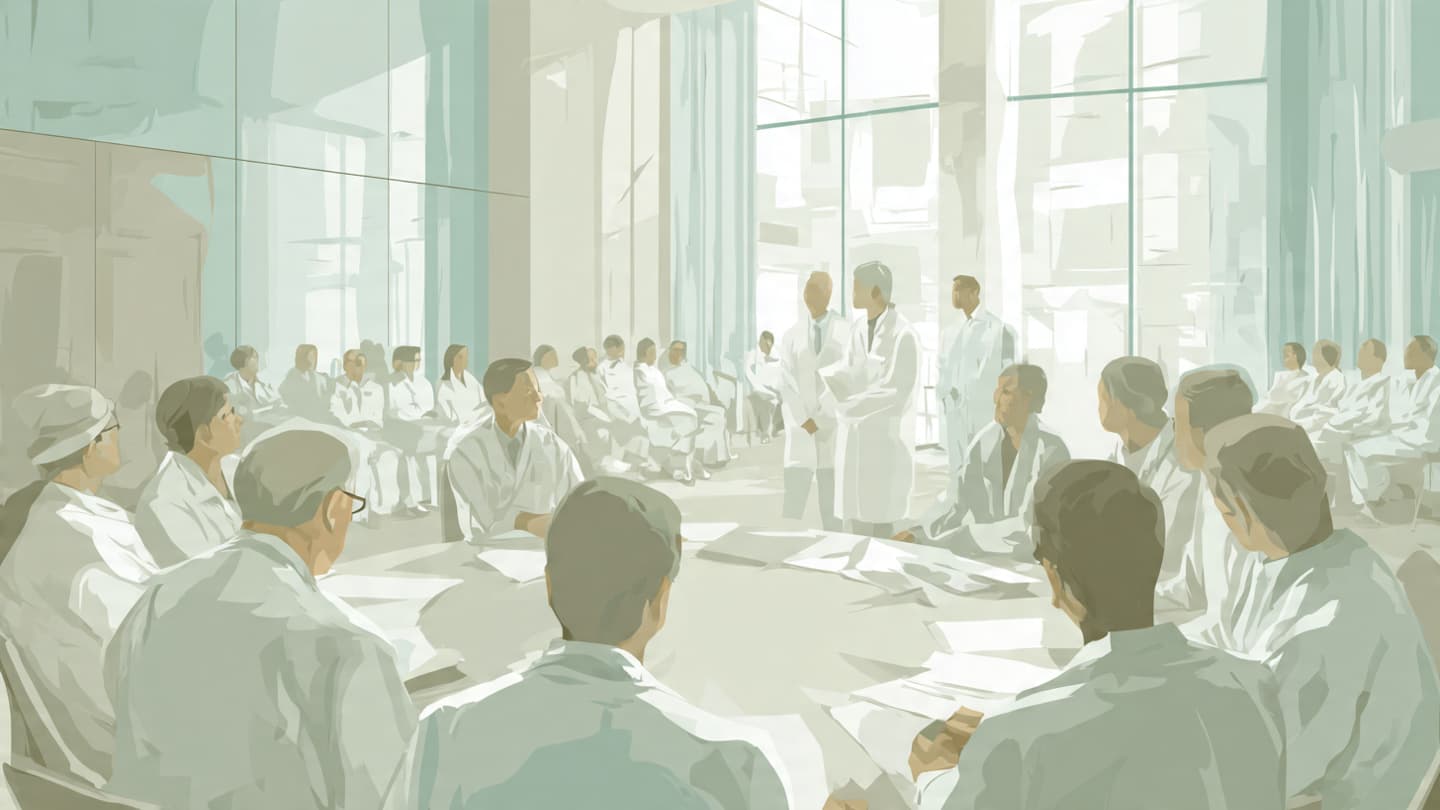
Across many cultures, healing traditions have traveled quietly through generations like rivers carrying memory across centuries. Herbal knowledge, plant-based remedies, and community-centered care practices often survived long before modern hospitals rose beside city skylines. At the seventy-ninth World Health Assembly, delegates returned attention to those traditions while discussing how traditional medicine may contribute to innovation, equity, and planetary health.
The gathering, commonly referred to as WHA79, brought together health leaders, researchers, and policymakers under the broader framework of the . Discussions explored how traditional medical systems could coexist alongside modern scientific healthcare in ways that remain evidence-based and globally accessible.
Many countries across Asia, Africa, and Latin America continue relying heavily on traditional medicine for primary healthcare services. In rural areas especially, local remedies and community practitioners often represent the most accessible form of treatment available to millions of people.
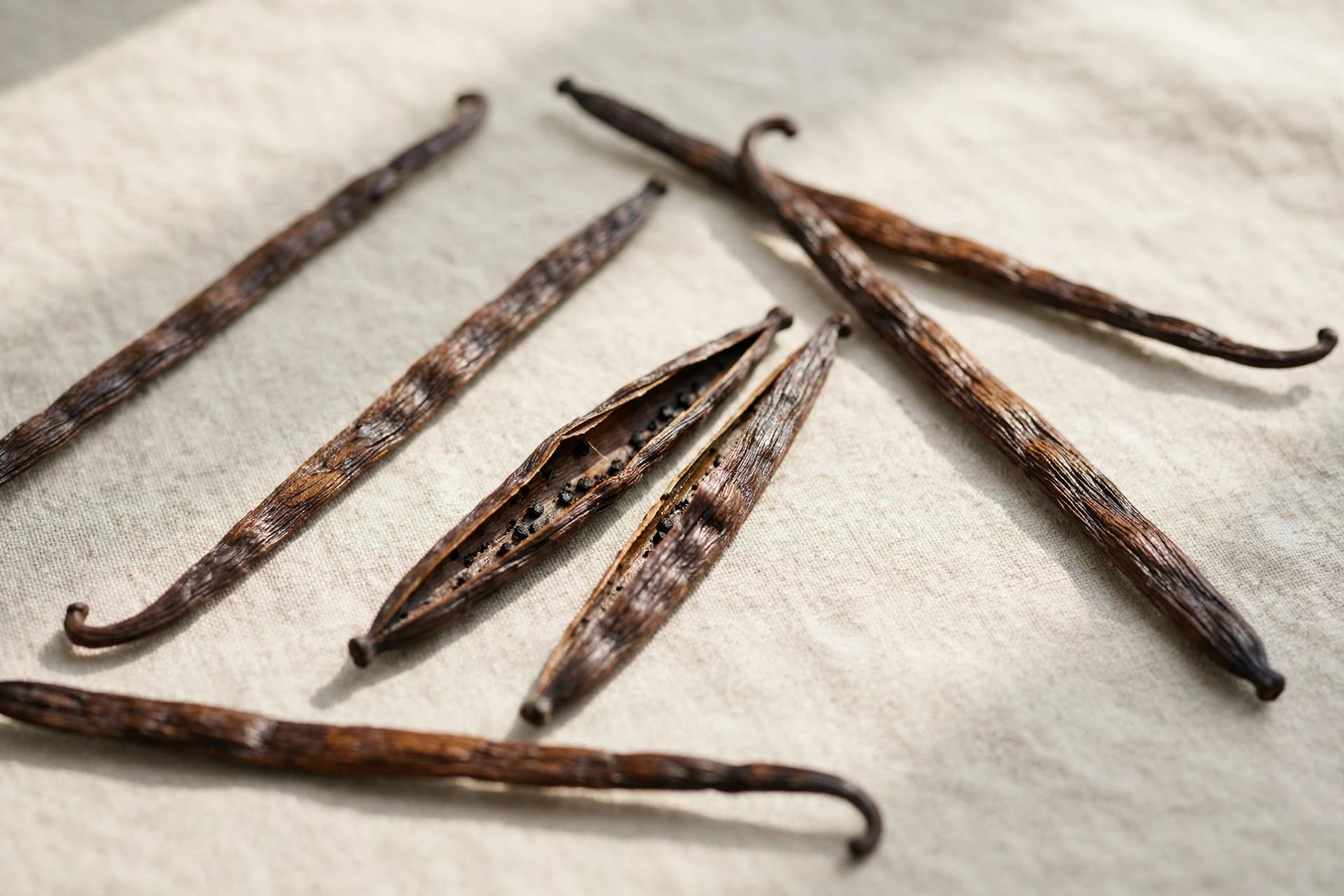
Supporters argue that integrating validated traditional practices into modern healthcare systems may help expand affordability and accessibility while preserving cultural knowledge. Advocates also point to growing scientific interest in plant-based compounds that have historically informed pharmaceutical development.
At the same time, health experts emphasized the importance of regulation, clinical testing, and patient safety. International health organizations continue warning against unverified treatments or unsupported medical claims that may place patients at risk.
Environmental sustainability also emerged as part of the conversation. Some delegates described traditional medicine as connected to biodiversity protection and responsible stewardship of medicinal plants, especially as climate change and habitat loss threaten ecological systems worldwide.
Researchers increasingly study how indigenous knowledge and contemporary science might complement each other rather than compete. Universities and health institutes in several countries have expanded interdisciplinary programs focused on ethnobotany, pharmacology, and public health integration.
The broader debate reflects changing attitudes toward healthcare itself. Many public health experts now emphasize prevention, nutrition, mental well-being, and community resilience alongside clinical treatment models, particularly after lessons learned during recent global health crises.
As discussions at WHA79 continue shaping international policy conversations, the renewed focus on traditional medicine suggests that future healthcare systems may increasingly blend ancient knowledge with modern science in pursuit of broader global well-being.
AI Image Disclaimer: Some accompanying visuals for this report were generated using AI-assisted creative imaging systems.
Sources: World Health Organization, Reuters, The Lancet, UN News
Published by Banx Network. This article is part of the Banx decentralized media programme, powered by the BXE token on the XRP Ledger.