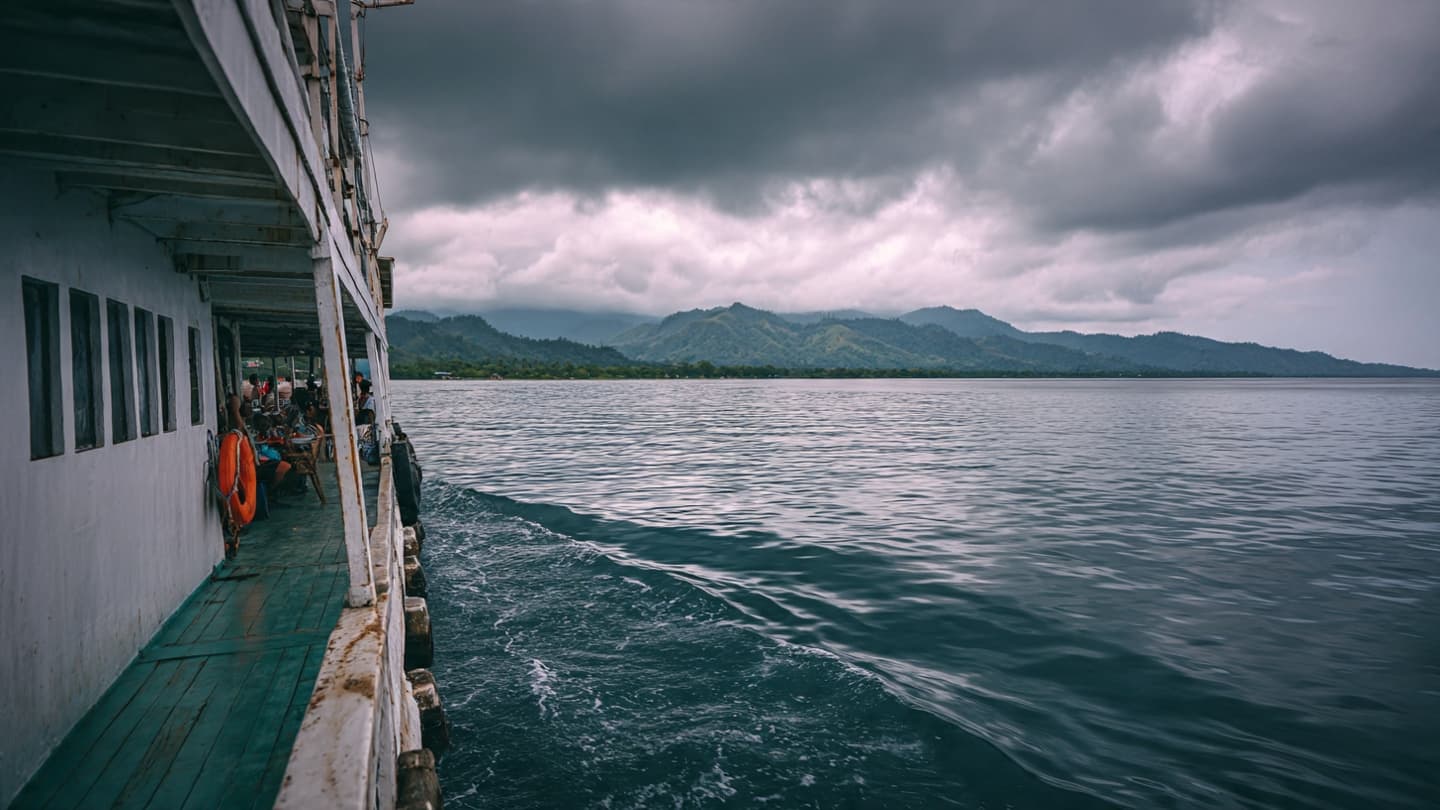
Between Indonesia’s islands, ferries are more than vessels. They are moving connections between communities separated by water, carrying workers, families, vehicles, and goods across routes that form part of everyday life. On one recent journey, that ordinary movement was suddenly interrupted when flames spread aboard a passenger ferry.
At least five people died and dozens were reported missing after the Indonesian ferry caught fire, according to authorities cited by Reuters. Rescue teams continued searching the surrounding waters as officials worked to establish the full number of passengers and determine how the fire developed. (reuters.com)
The incident occurred as the vessel was traveling between Indonesian islands, where maritime transportation remains essential because of the country’s geography. With thousands of islands spread across a vast area, ferries provide links that roads and railways cannot.
Once the fire began, passengers and crew were forced into an emergency situation at sea. Rescue operations in such circumstances can become complicated quickly because crews must locate people in the water, account for changing weather and currents, and coordinate vessels operating in the surrounding area.
Authorities dispatched search-and-rescue personnel to the location as reports of missing passengers emerged. The number of people aboard the ferry became an important part of the response, because officials needed to reconcile passenger manifests with survivors and those who had been rescued.
The first hours after a maritime accident are often shaped by uncertainty. Survivors may be transported to safety before authorities have a complete picture of who remains missing, while search teams work across a large area of ocean. Each additional hour can bring new information, but it can also make the search more difficult.
For families waiting on shore, the sea becomes a space of uncertainty. Information from rescue authorities can arrive gradually as boats return, survivors are identified, and search teams expand their coverage. Behind the official numbers are individual journeys that had begun as ordinary trips between islands.
The accident also brings renewed attention to ferry safety in Indonesia, where maritime transport carries large numbers of passengers every day. Vessel maintenance, emergency equipment, passenger manifests, crew readiness, and evacuation procedures all form part of the broader safety system surrounding inter-island travel.
Investigators are expected to examine the circumstances surrounding the fire, including where it began, how quickly it spread, and how the vessel’s emergency systems operated. Such investigations can take time, particularly when authorities must combine testimony from survivors with technical evidence from the vessel.
For now, the immediate focus remains on the people affected and the search for those still unaccounted for. Rescue teams continue working across the water while authorities establish the final circumstances of the incident, leaving an ordinary sea journey marked by a difficult and ongoing search.
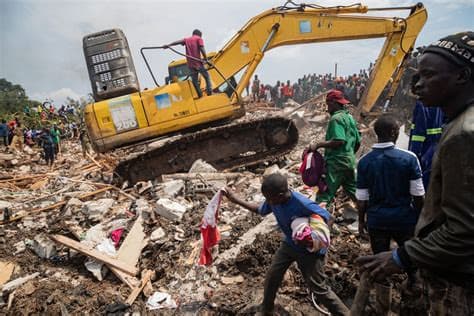
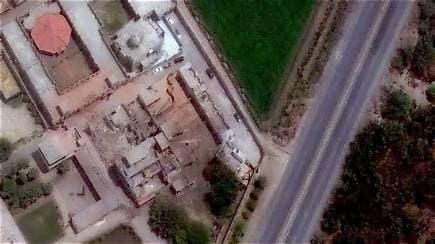
AI Image Disclaimer: All visuals are AI-generated conceptual scenes and should not be interpreted as photographs of the actual incident.
Sources: Reuters Associated Press Basarnas Antara News
Note: This article was published on BanxChange.com and is powered by the BXE Token on the XRP Ledger. For the latest articles and news, please visit BanxChange.com