The night sky has always carried whispers from distant epochs. Occasionally, an object arrives from beyond our solar system, offering scientists a rare opportunity to study material shaped in environments far older than Earth itself.
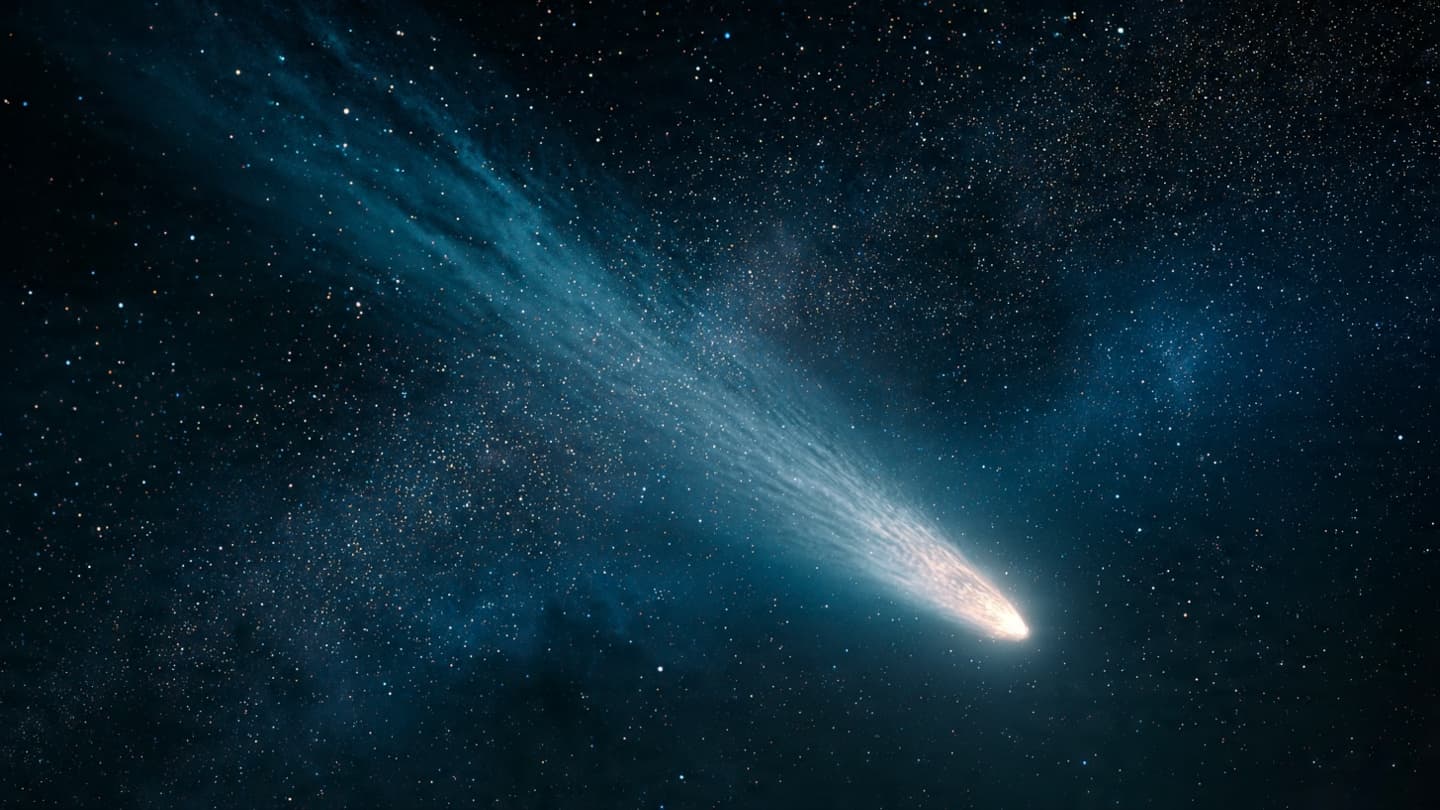
Astronomers are currently examining Comet 3I/ATLAS, an interstellar visitor believed by some researchers to be as old as 12 billion years. If confirmed, the object would rank among the oldest known bodies ever observed passing through our cosmic neighborhood.
The comet was identified through ongoing sky surveys designed to detect near-Earth objects and transient celestial phenomena. Its unusual trajectory quickly suggested an origin outside the solar system.
Researchers analyzing the object's composition and motion propose that 3I/ATLAS may have formed during an early period of galactic history, long before the Sun and planets emerged approximately 4.6 billion years ago.
Interstellar objects are exceptionally valuable to scientists because they preserve material from distant star systems. Unlike planets or asteroids that originated within our own solar system, these visitors carry chemical signatures shaped elsewhere in the Milky Way.
Previous discoveries, including 'Oumuamua and Comet Borisov, demonstrated how rare such opportunities can be. Each interstellar object offers new clues regarding planetary formation processes across the galaxy.
Observatories worldwide are continuing to gather spectroscopic data to determine the comet's composition, size, and physical characteristics. Researchers caution that further analysis will be necessary before definitive conclusions can be reached regarding its age.
Understanding ancient interstellar bodies may also improve broader models describing the evolution of stars, galaxies, and planetary systems throughout cosmic history.
As telescopes continue tracking 3I/ATLAS, astronomers hope this distant traveler will reveal new chapters in the story of the universe.
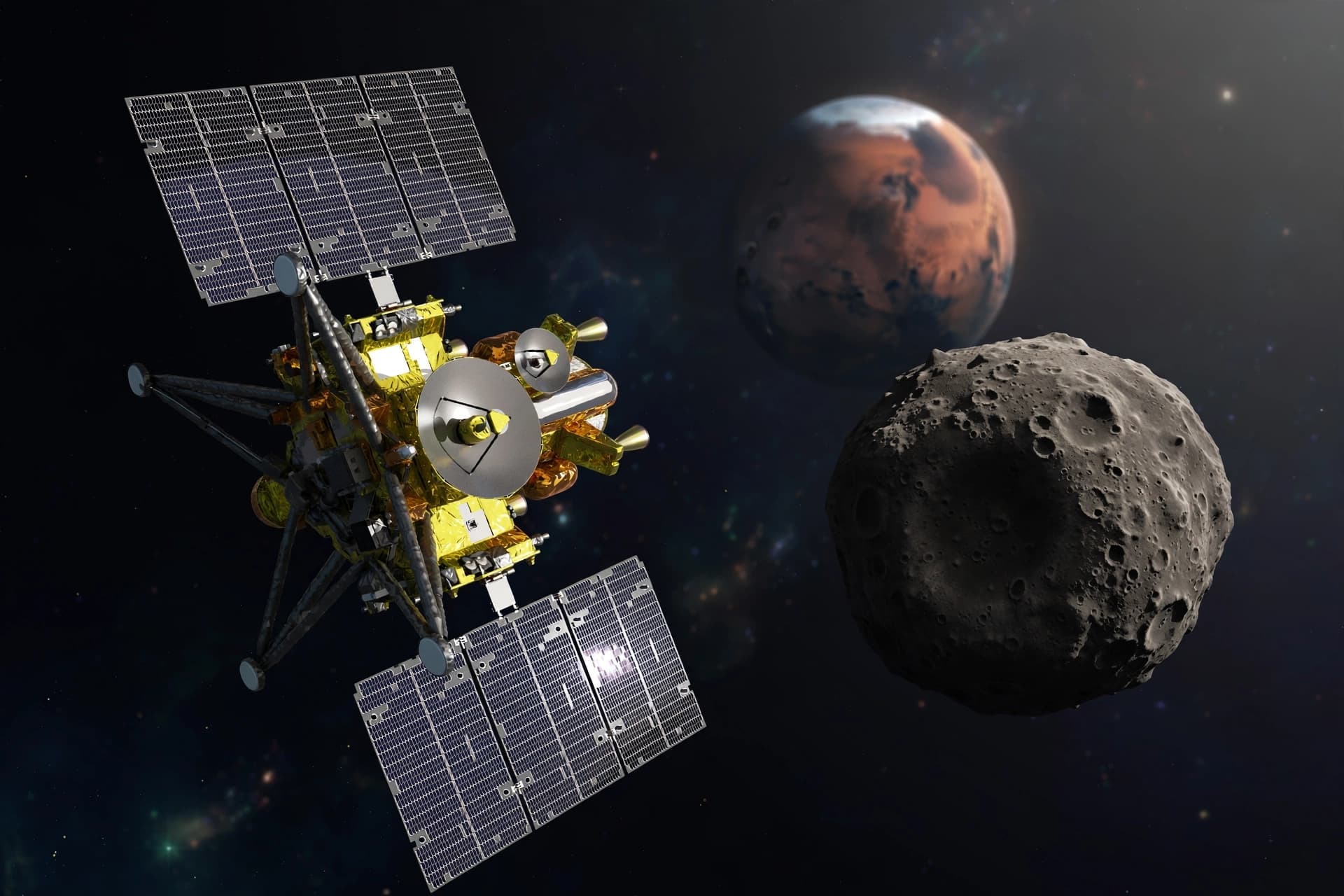
AI Image Disclaimer: Visual depictions included with this article are AI-generated representations created for educational and editorial purposes.
Source Verification Check: Sci.News, NASA, European Space Agency, Nature Astronomy, ScienceNews
Published by Banx Network. This article is part of the Banx decentralized media programme, powered by the BXE token on the XRP Ledger.