Forests have often been described as the quiet accountants of the planet, storing carbon silently while cities expand and industries hum beyond the tree line. Yet beneath that calm image, scientists are warning that many American forests are becoming increasingly fragile under the pressure of climate change. New research suggests carbon markets may not fully account for the growing risks these ecosystems face from wildfires, drought, pests, and rising temperatures.
Carbon markets operate on a simple premise. Companies or governments purchase carbon credits linked to forests that absorb and store greenhouse gases. In theory, these forests offset emissions produced elsewhere. The approach has become a major component of climate strategies worldwide, offering financial incentives to preserve woodland areas rather than clear them for development.
However, researchers now argue that the system may rely too heavily on assumptions that forests will remain stable for decades into the future. Climate change itself is making that assumption increasingly uncertain. Across the United States, extreme weather events have intensified, placing large forest regions under unprecedented environmental stress.
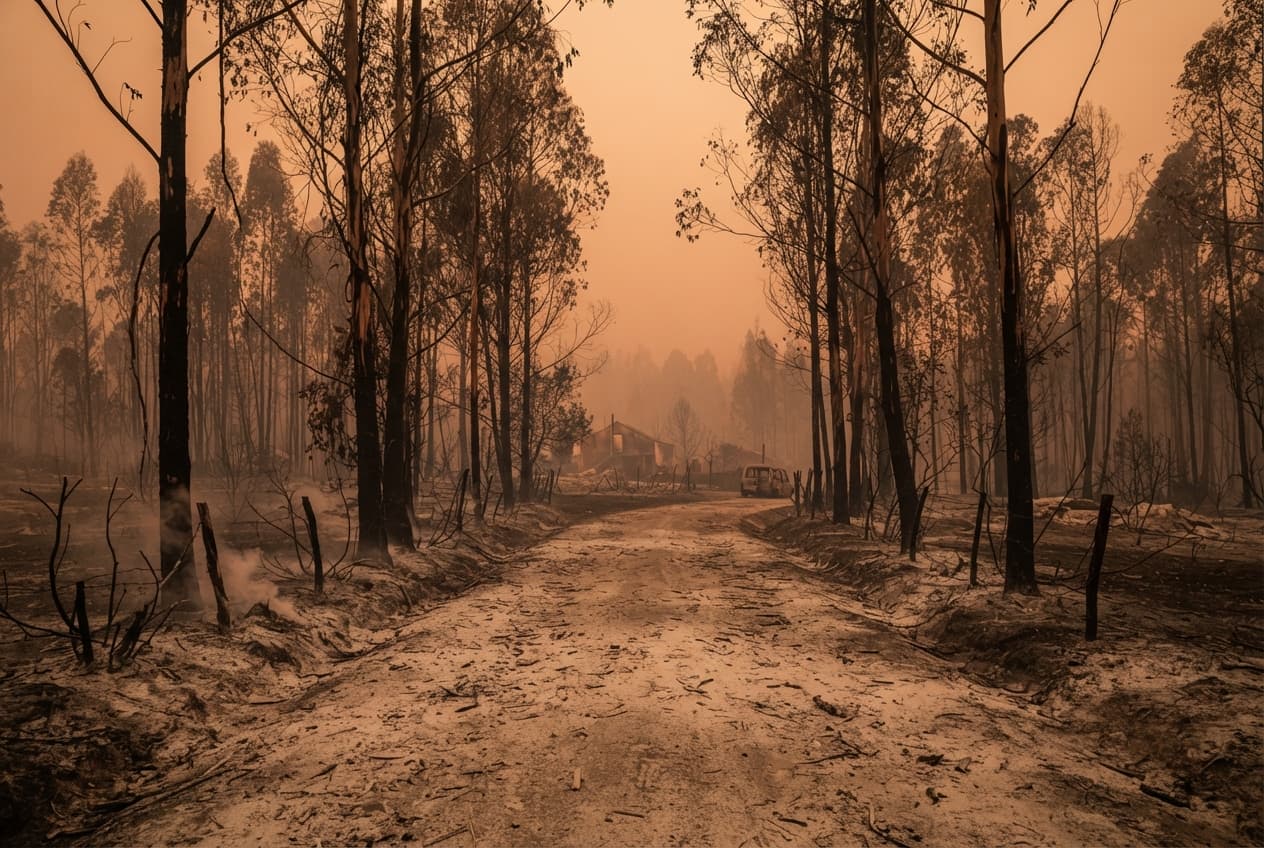
Wildfires have become especially significant in western states. Larger and more destructive fire seasons have already transformed millions of acres of forest. Trees once counted as long-term carbon storage can rapidly release massive amounts of carbon back into the atmosphere when burned. Scientists say many offset programs still underestimate how frequently such reversals may occur.
Drought conditions present another challenge. Extended dry periods weaken forests and leave trees more vulnerable to insects and disease outbreaks. Bark beetle infestations, for example, have devastated forest ecosystems across parts of North America in recent years. Researchers note that climate-related forest mortality could undermine the reliability of carbon credits intended to represent stable environmental benefits.
The issue carries economic implications as well. Carbon markets depend heavily on trust and measurable outcomes. If forests fail to store as much carbon as projected, questions may emerge regarding the long-term credibility of offset programs. Environmental groups and policymakers have increasingly called for stricter accounting methods that better reflect climate risks.
Some experts advocate for more conservative estimates when calculating forest carbon storage. Others suggest diversifying climate solutions rather than relying too heavily on forest offsets alone. Renewable energy expansion, industrial emissions reductions, and direct carbon capture technologies are frequently mentioned as complementary approaches.
Despite the concerns, researchers emphasize that forests remain critically important in addressing climate change. The warning is not that forest conservation lacks value, but that climate realities are evolving faster than many market systems currently recognize. Preserving forests may become more difficult precisely because climate change continues to intensify.
The study ultimately highlights a growing tension within global climate policy. Forests are expected to help stabilize the atmosphere, yet they themselves are increasingly unstable. As carbon markets expand, scientists say future strategies may need to reflect not only the value of forests, but also their vulnerability.
AI-generated image disclaimer: Certain images associated with this report were produced through AI-generated visual rendering.
Sources: Reuters, Nature Climate Change, U.S. Forest Service, Environmental Defense Fund
Published by Banx Network. This article is part of the Banx decentralized media programme, powered by the BXE token on the XRP Ledger.