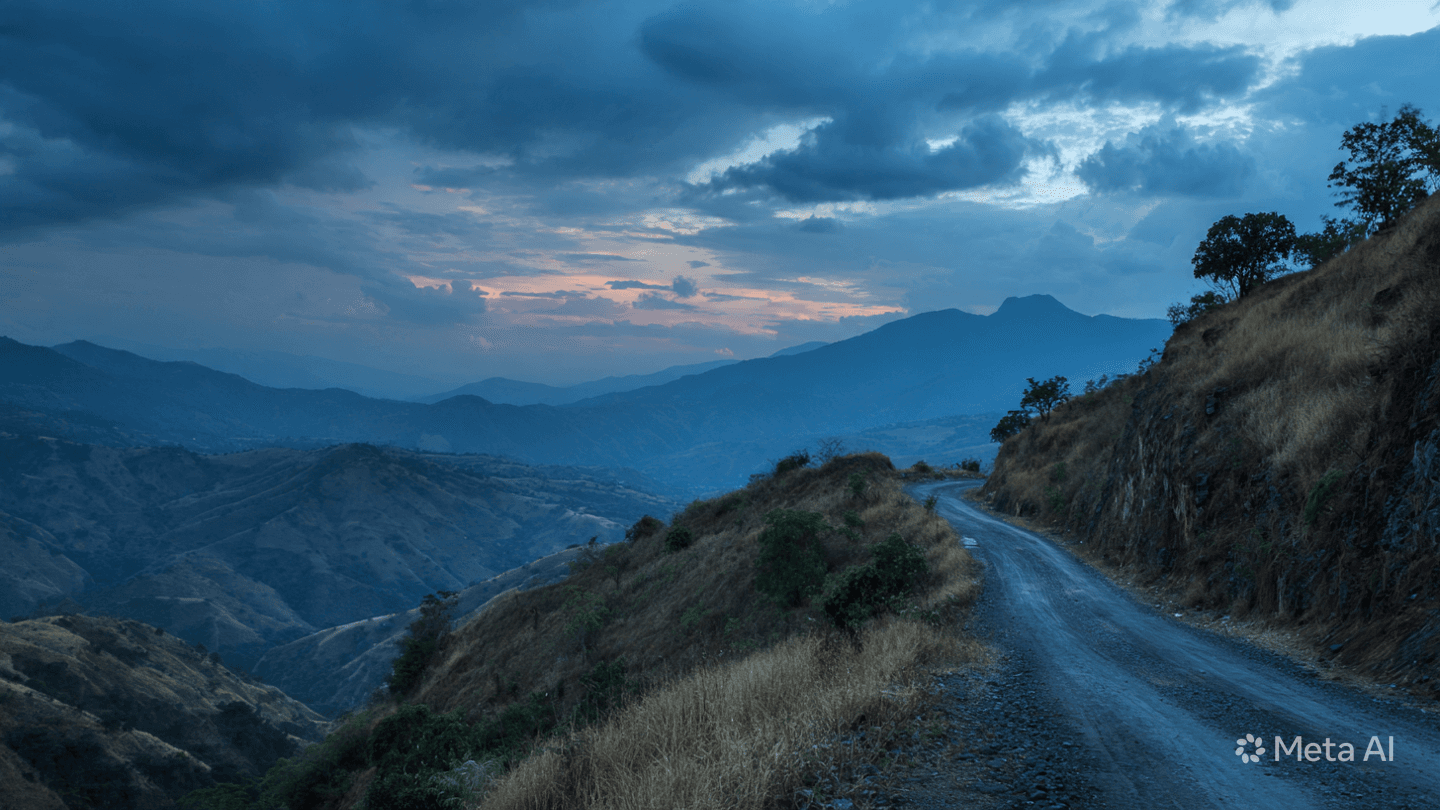
There is a particular vulnerability to the road that leads toward Omoa, a winding stretch where the mountains of the Cortes department lean in, as if to listen to the passing hum of traffic. It is a path that often serves as a lifeline between the administrative heart of Tegucigalpa and the restless, shifting frontier near the Guatemalan border. When that path is violated by the sudden violence of an ambush, the sense of motion that usually defines these transit routes is brought to a jarring, reflective halt.
The lives of those charged with the duty of oversight are often lived in the periphery of our attention until the moment they are pulled into the center of a crisis. Six officers, tasked with an anti-gang mission, were traveling this very route when their progress was permanently disrupted. The incident serves as a quiet, somber marker of the ongoing struggle to maintain order in territories where the boundary between civilian safety and organized threat is perpetually blurred.
One contemplates the nature of the duty that brings individuals to such remote locales. It is a life defined by the anticipation of risk, yet even with that awareness, the suddenness of such an event leaves an indelible impression on the landscape. The mountains, which have stood for centuries, look down upon a road that has been newly marked by the loss of these individuals. It is a space where professional intent met an unforeseen, violent conclusion.
The geography of the Cortes department is complex, a mix of lush terrain and difficult corridors that provide ample cover for those who operate outside the law. For the officers assigned to these sectors, every turn in the road is a negotiation with uncertainty. Their loss is not just a statistical increase in violence but a fundamental disruption of the delicate, tenuous peace that authorities struggle to uphold in the border regions.
There is a meditative quality to the aftermath, where the questions linger long after the sirens have faded. How do we measure the cost of such a patrol, and what does it reveal about the current climate of security? The reflections prompted by such a tragedy are rarely simple; they are woven into the broader, often difficult, context of a nation seeking stability in the wake of internal pressures.
Within the silence that follows the report of the ambush, there is space to consider the human dimension of the officers involved. They were individuals with their own histories, their own commitments, and their own roles in a wider system of protection. Their absence creates a ripple that touches the institutions they represented and the communities they were tasked to safeguard.
The atmosphere in Omoa remains heavy with the weight of the incident. It is a place that now carries the memory of the officers’ final moments, a quiet testament to the perils of the work being done in the shadow of the mountains. The event underscores the volatility of the region and the challenges inherent in securing borders that are as much defined by their porous nature as by their geography.
The authorities have since launched a series of investigations into the ambush, with national police confirming that the officers were members of an anti-gang unit targeted during their transit. The government has pledged to pursue those responsible for the attack, intensifying the focus on the criminal groups that operate in the western corridors. The incident highlights the persistent challenges facing law enforcement as they attempt to regain control in high-risk zones, reinforcing the ongoing national discourse on security policy.
Published by Banx Network. This article is part of the Banx decentralized media programme, powered by the BXE token on the XRP Ledger.