
Border regions often live with a fragile sense of uncertainty, where ordinary life can shift suddenly under the pressure of regional conflict. In southern Lebanon this week, renewed Israeli strikes reportedly killed dozens of people, deepening fears that violence along the border may continue expanding despite ongoing international calls for restraint.
The attacks were linked to escalating tensions involving Hezbollah and Israeli military operations near the frontier. Israeli officials stated that the strikes targeted security threats connected to armed activity in the region, while Lebanese authorities and humanitarian organizations reported growing civilian impact.
Southern Lebanon has experienced repeated instability over the years due to its proximity to one of the Middle East’s most sensitive geopolitical fault lines. Communities in the area often balance daily routines against the constant possibility of military escalation, displacement, or infrastructure damage.
Hospitals and emergency services in affected areas reportedly faced significant pressure following the latest strikes. Aid organizations continue monitoring humanitarian conditions while urging protection for civilians caught near conflict zones. International agencies have also emphasized the importance of preserving access to medical and relief assistance.
The situation has intensified broader international concern regarding the possibility of a wider regional conflict. Diplomatic officials from Europe, the United States, and several Arab nations continue encouraging de-escalation while maintaining communication with regional actors involved in the crisis.
Analysts note that tensions along the Israel-Lebanon border frequently operate within a dangerous cycle of retaliation and deterrence. Even limited military exchanges can rapidly expand if political communication weakens or civilian casualties increase.
For residents of southern Lebanon and northern Israel, the conflict remains deeply personal rather than purely geopolitical. Families continue adapting to disrupted schools, damaged homes, and uncertain security conditions. In many communities, generations have now grown up under recurring periods of tension.
The economic impact is also becoming increasingly visible. Tourism, local commerce, and agricultural activity in border regions often suffer during prolonged instability. Reconstruction efforts from previous conflicts remain incomplete in several affected communities.
As international diplomats continue seeking ways to prevent broader escalation, the latest violence stands as another reminder of how fragile peace can remain in contested regions. Behind every political statement and military operation are civilian lives shaped by uncertainty, waiting for stability that often feels difficult to sustain for long.
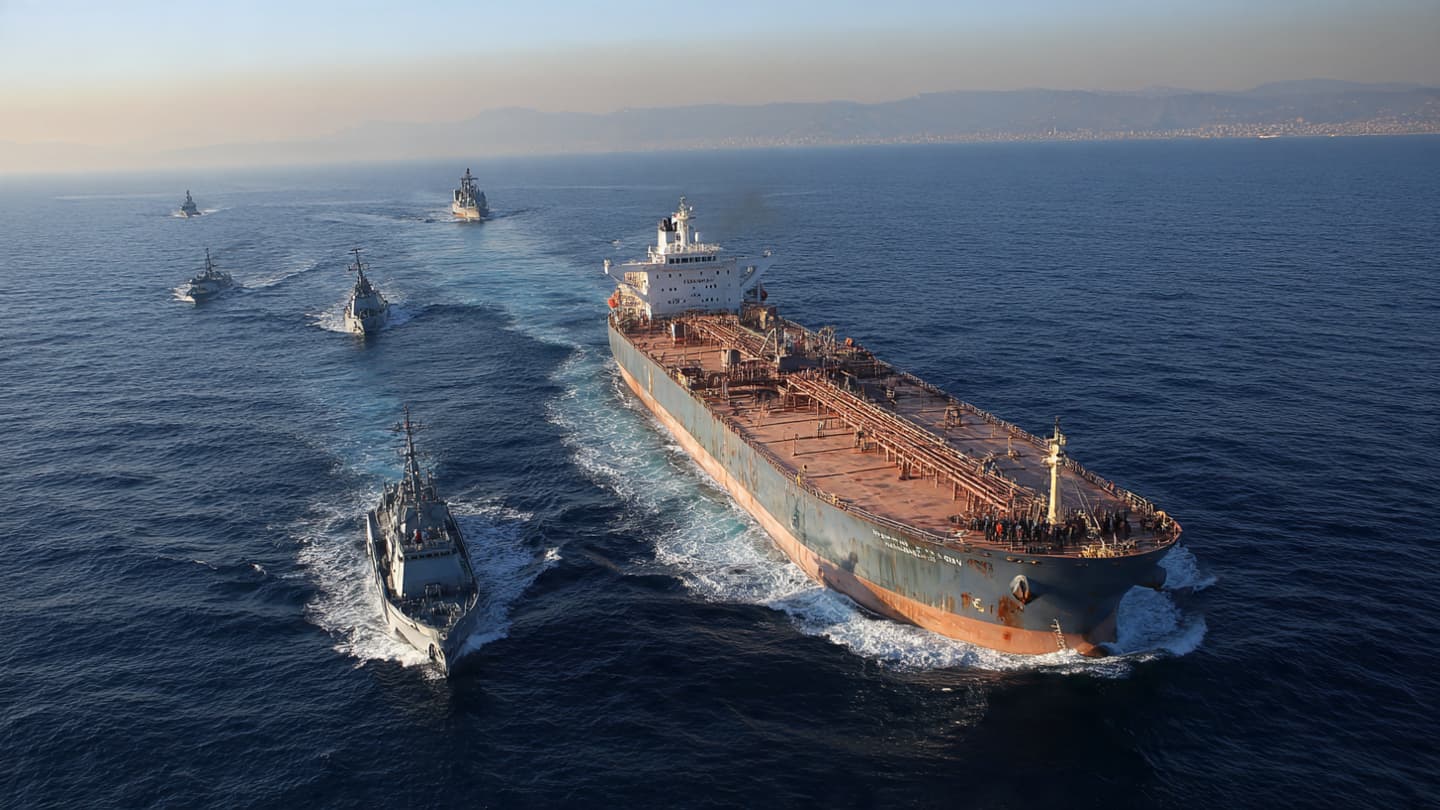
AI Image Disclaimer: Visuals connected to this report may contain AI-generated illustrations created for editorial storytelling purposes.
Sources Reuters Al Jazeera Associated Press BBC
Note: This article was published on BanxChange.com and is powered by the BXE Token on the XRP Ledger. For the latest articles and news, please visit BanxChange.com