
The Mediterranean has long been both a bridge between continents and a witness to human hardship. Its waters, crossed by traders and travelers for centuries, continue to serve as a route for migrants seeking safety or opportunity. Yet those journeys too often end in tragedy.
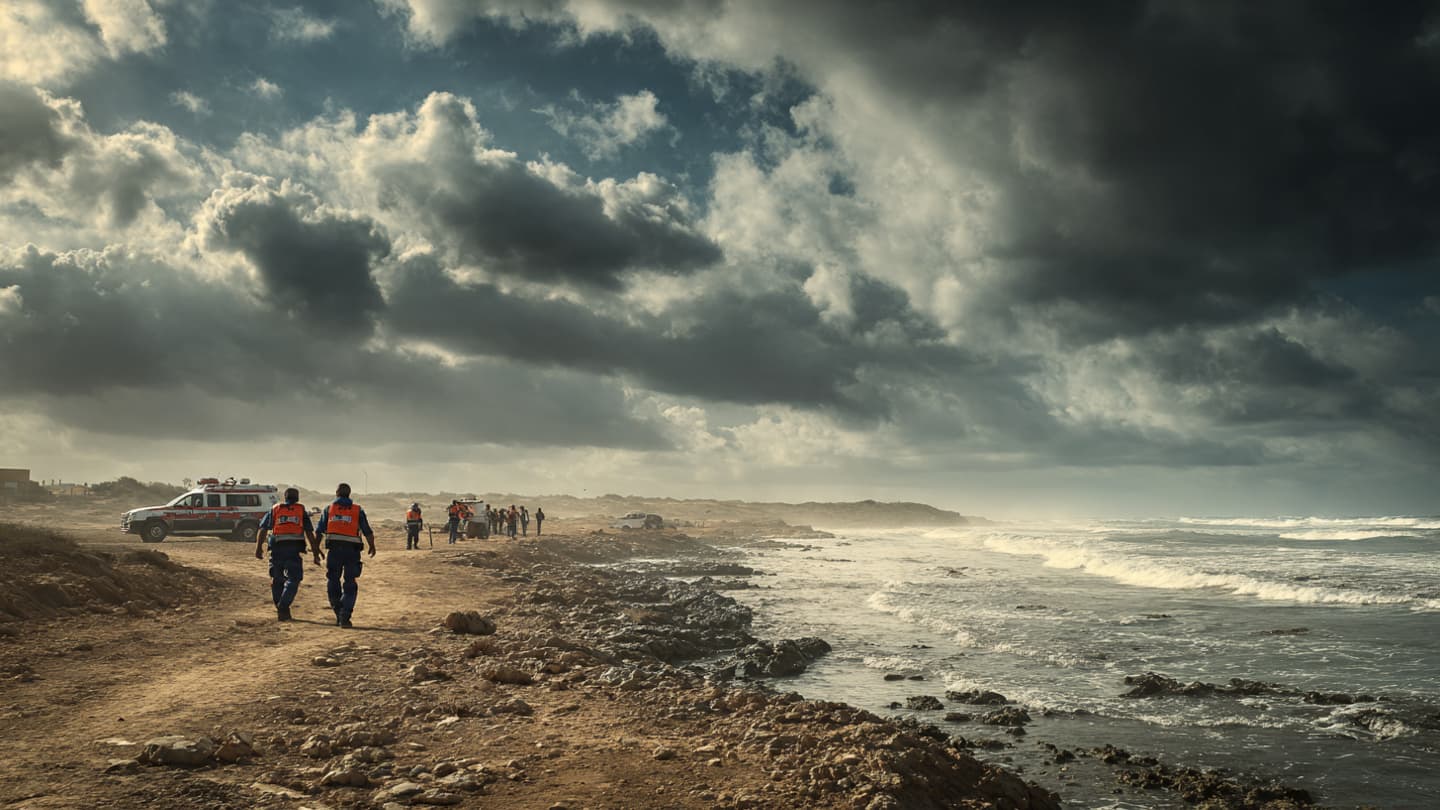
Authorities in eastern Libya recently reported the discovery of multiple migrant bodies along the coastline, highlighting the persistent dangers faced by people attempting perilous sea crossings toward Europe.
Migration through North Africa remains driven by a complex combination of conflict, economic hardship, political instability, and limited opportunities in countries of origin. Many migrants rely on smuggling networks to undertake dangerous voyages across the Mediterranean.
International organizations have repeatedly warned that overcrowded and poorly equipped boats significantly increase the risk of fatalities. Adverse weather conditions and limited rescue capabilities can further worsen already hazardous journeys.
Libya continues to occupy a central position within Mediterranean migration routes. Ongoing political fragmentation and security challenges have complicated efforts to effectively manage migration and combat human trafficking networks.
Humanitarian agencies emphasize that migrants and refugees frequently face severe hardships before even reaching the sea. Reports of exploitation, detention, and abuse have drawn widespread international concern.
European governments remain divided over migration policy, border management, and responsibility-sharing mechanisms. These debates continue to shape regional responses to migration flows across the Mediterranean.
The latest discovery along Libya's coastline serves as another somber reminder that the migration crisis remains unresolved. Humanitarian organizations continue calling for stronger international cooperation to address both immediate risks and the underlying causes of displacement.
AI Image Disclaimer: Images accompanying this article were generated using AI for illustrative purposes and do not depict actual individuals or events.
Sources: Reuters, International Organization for Migration, BBC, Associated Press, UNHCR
Note: This article was published on BanxChange.com and is powered by the BXE Token on the XRP Ledger. For the latest articles and news, please visit BanxChange.com