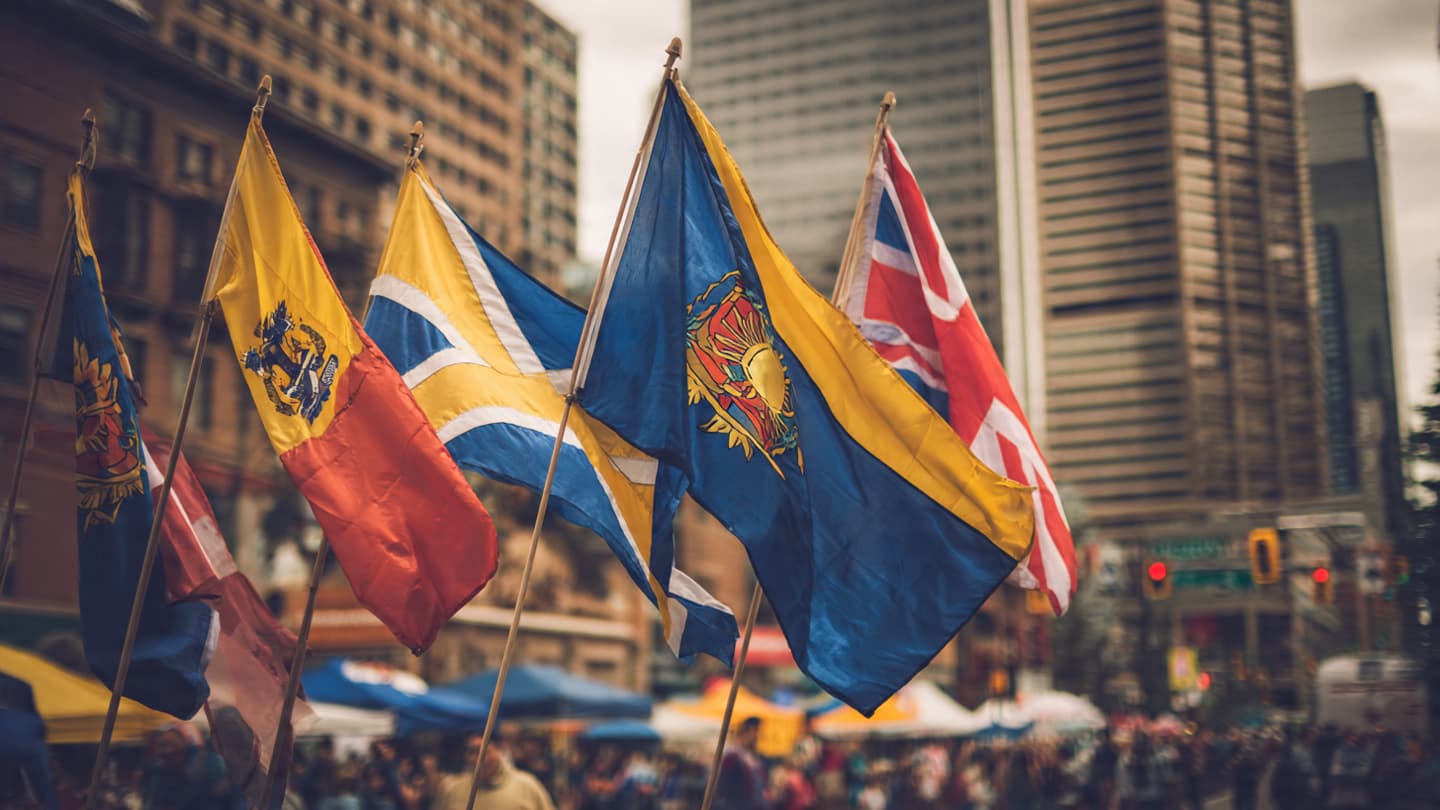
Movements seeking separation often emerge like quiet rivers beneath the surface of national politics—sometimes widening into powerful currents, other times remaining limited to local frustrations and symbolic debates. In Canada’s western province of Alberta, renewed conversations surrounding separatism have once again entered public discussion. Yet according to political experts, the movement remains distinct from many global secession campaigns that have shaped headlines elsewhere in recent decades.
Analysts studying separatist movements noted that Alberta’s situation differs significantly from regions where deep ethnic, linguistic, or historical divisions have fueled long-running independence efforts. While dissatisfaction over federal policies, energy regulations, and economic representation continues to influence parts of Alberta’s political landscape, experts say the movement lacks several characteristics commonly associated with large-scale secession campaigns.
The debate has gained visibility amid broader economic and political frustrations within the province. Alberta’s economy remains closely tied to the energy sector, and disagreements over environmental regulations, pipeline projects, and federal taxation policies have contributed to feelings of alienation among some residents.
Political scientists emphasized that many global independence movements are rooted in centuries of cultural distinction or territorial conflict. By contrast, Alberta’s grievances are more closely connected to policy disputes and perceptions of economic imbalance within Canada’s federal system. That distinction, experts argue, shapes both the movement’s tone and its political reach.
Recent opinion surveys have shown varying levels of support for separatist ideas, though most polling indicates that a majority of Albertans continue supporting remaining within Canada. Even among those frustrated with federal leadership, many favor greater provincial autonomy rather than outright independence.
The discussion has also drawn attention to the role of regional identity in modern democracies. Across several countries, economic pressures and political polarization have encouraged renewed debates over local governance and national unity. Alberta’s case reflects some of those broader global patterns, though observers caution against overstating comparisons with more established secession movements.
Canadian federal officials have largely responded by emphasizing national cohesion and constitutional processes. Political leaders from multiple parties have acknowledged regional frustrations while encouraging dialogue within existing democratic institutions. Analysts suggest that maintaining economic cooperation between provinces remains a priority for both provincial and federal governments.
Experts further noted that separatist movements often gain momentum during periods of economic uncertainty or political transition. However, sustaining long-term public support typically requires strong institutional organization and broad social consensus—factors that Alberta’s movement has not consistently demonstrated.
For now, Alberta’s separatist debate remains part of Canada’s wider political conversation rather than an immediate constitutional crisis. While frustrations over policy and representation continue shaping regional discourse, experts say the province’s situation still stands apart from many of the world’s more deeply rooted independence campaigns.
AI Image Disclaimer: Illustrative images connected to this report may contain AI-generated visual elements designed for newsroom presentation.
Sources: CBC News, Reuters, The Globe and Mail, CTV News, Associated Press
Published by Banx Network. This article is part of the Banx decentralized media programme, powered by the BXE token on the XRP Ledger.