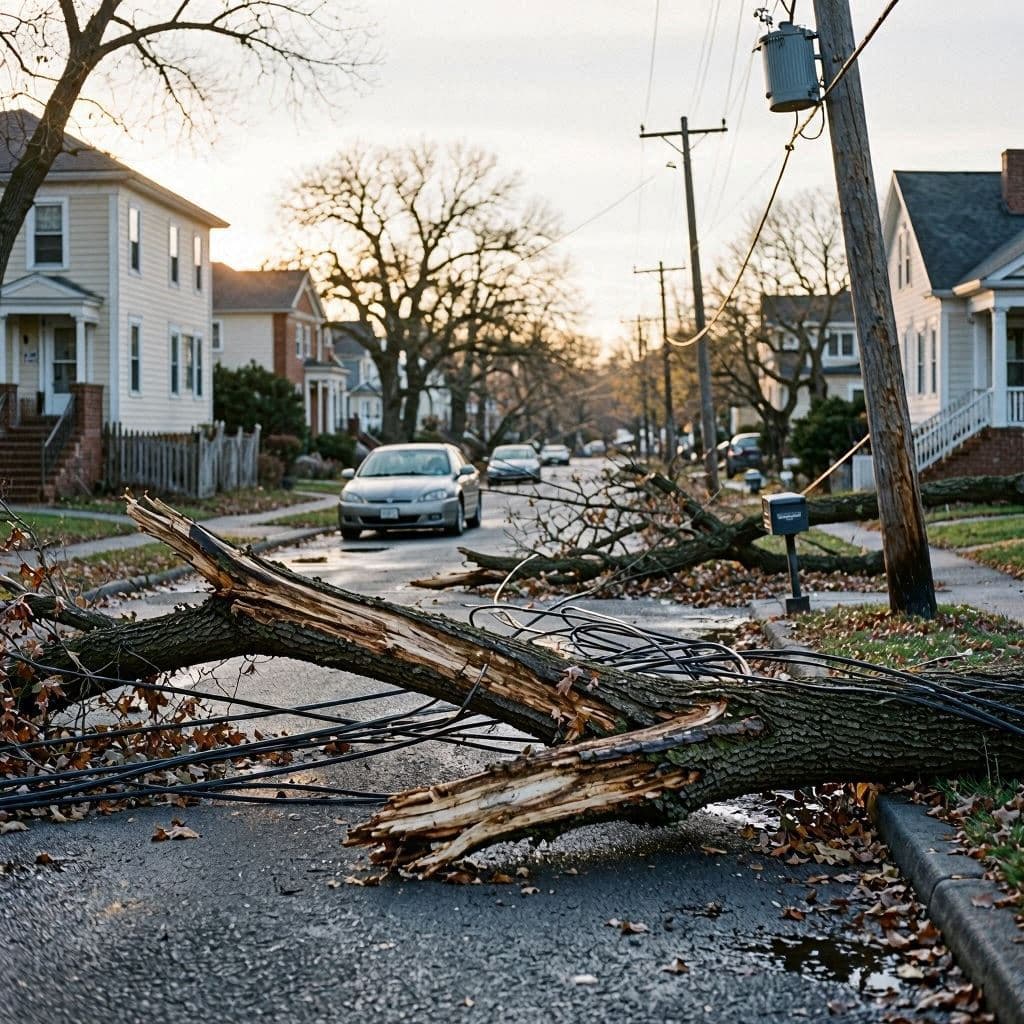
In the aftermath of a severe storm that swept through Northeast Wisconsin, leaving a trail of downed trees and damaged homes, Governor Tony Evers has assured residents that state resources are mobilized to help. The swift response reflects a commitment to community resilience and recovery in the face of natural disasters. For those affected, the promise of assistance offers a glimmer of hope amidst the cleanup and repair efforts.
The storm, which brought high winds and heavy rain, tested the infrastructure and emergency preparedness of the region. As power outages and road closures disrupted daily life, the coordination between local and state authorities became crucial for restoring normalcy.
Body: Governor Evers visited affected areas to assess the damage and meet with local officials. He emphasized the state’s readiness to provide financial aid, technical support, and personnel to assist in recovery efforts. This hands-on approach demonstrates the importance of leadership in times of crisis, fostering trust and cooperation among residents.
The National Guard has been deployed to help clear debris and restore access to isolated communities. Their presence provides not only physical labor but also a sense of security and stability. For many residents, seeing uniformed personnel working alongside neighbors reinforces the spirit of collective effort.
Utility companies are working around the clock to restore power to thousands of customers. Crews are prioritizing critical facilities such as hospitals and shelters, ensuring that essential services remain operational. The scale of the outage has required mutual aid from neighboring states, highlighting the interconnected nature of regional infrastructure.
Local emergency management agencies have opened shelters for those displaced by the storm. These centers provide food, water, and a safe place to sleep, offering immediate relief to families who have lost their homes or are unable to return due to damage. Volunteers from community organizations are playing a vital role in supporting these efforts.
The economic impact of the storm is significant, with businesses facing interruptions and farmers dealing with crop damage. State agencies are evaluating the extent of the losses to determine eligibility for disaster declarations and federal aid. This assessment is crucial for securing the resources needed for long-term recovery.
Climate change is increasingly linked to the frequency and intensity of such storms. Meteorologists note that warmer temperatures can fuel more powerful weather systems, leading to greater unpredictability. This context underscores the need for adaptive strategies and resilient infrastructure planning.
Community resilience is evident in the way neighbors help each other clear yards and share resources. Social media groups have become hubs for information and support, connecting those in need with those who can offer assistance. This digital solidarity complements official response efforts.
As the cleanup continues, the focus shifts to rebuilding stronger and smarter. Lessons learned from this event will inform future preparedness plans, ensuring that the region is better equipped to handle similar challenges. The goal is not just to recover but to improve.
Closing: Governor Evers’ assurance of state support highlights the importance of coordinated disaster response. It reminds us that in the face of nature’s fury, community and government collaboration are key to recovery.
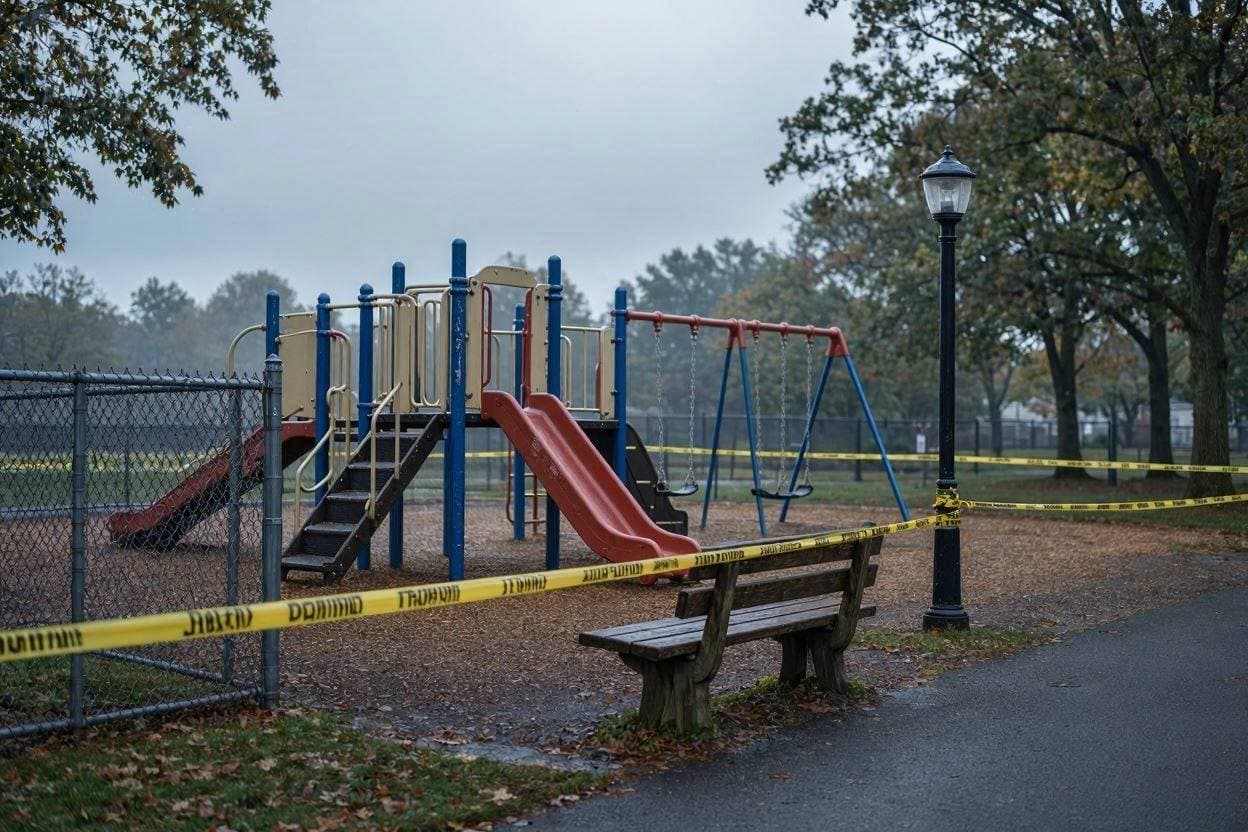
AI Image Disclaimer: Images used in this report are AI-generated depictions intended to illustrate the themes of storm recovery and community support.
Sources: Wisconsin Public Radio Green Bay Press-Gazette FOX 11 News Associated Press
Note: This article was published on BanxChange.com and is powered by the BXE Token on the XRP Ledger. For the latest articles and news, please visit BanxChange.com