
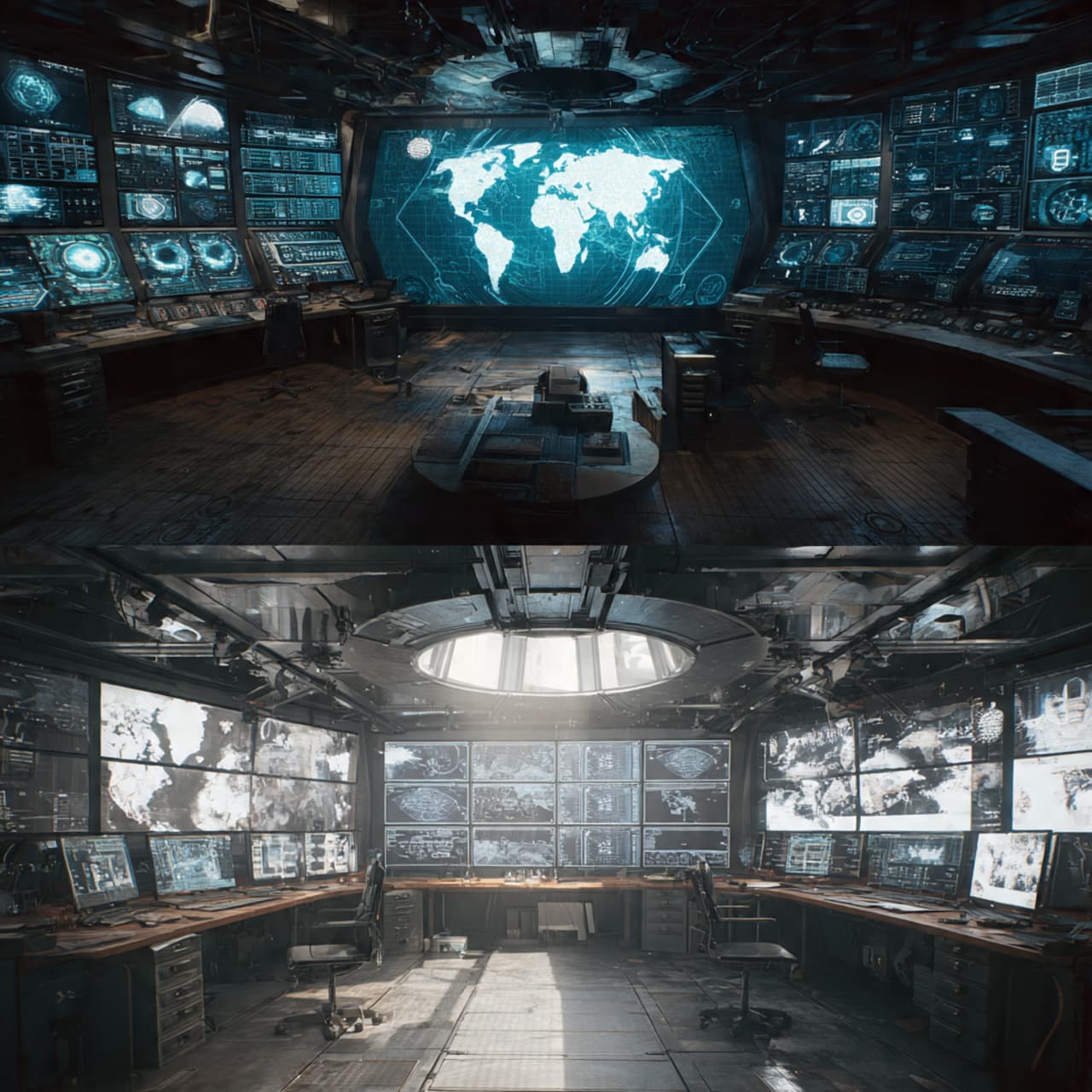
Periods of uncertainty often leave lasting impressions on businesses. Decisions regarding investment, hiring, production, and expansion are shaped not only by current conditions but also by expectations about the future. As regional tensions begin to ease, companies around the world are carefully evaluating what comes next.
The recent conflict involving Iran attracted attention far beyond the immediate region. Energy markets, shipping networks, financial institutions, and multinational corporations all monitored developments closely due to their potential economic implications.
Today, many businesses are shifting from crisis management toward strategic assessment. Executives are reviewing supply chains, analyzing costs, and identifying areas where stability may create new opportunities for growth.
The energy sector remains one of the most closely watched areas. Changes in oil production, transportation routes, and market confidence can influence operating costs for industries ranging from manufacturing to aviation. Businesses are therefore paying close attention to evolving conditions.
Shipping and logistics providers are also reassessing the landscape. Improved trade conditions could support more efficient transportation networks, helping companies reduce delays and strengthen international operations.
Financial institutions have begun updating forecasts to reflect changing assumptions. Economic models often incorporate geopolitical developments, and improved stability can influence expectations regarding growth, inflation, and investment activity.
At the corporate level, caution remains a defining characteristic. While many organizations welcome signs of progress, executives generally prefer sustained stability before making major commitments. Long-term planning requires confidence that improvements will endure.
Consumer-facing industries are similarly attentive. Economic confidence often affects spending behavior, making stability an important factor for retailers, travel companies, and service providers. Positive developments can gradually support stronger demand.
Analysts suggest that the coming months will provide valuable insights into how quickly economic conditions adjust. Markets, businesses, and governments will continue evaluating whether recent progress translates into measurable commercial benefits.
For now, companies appear focused on preparation rather than prediction. The period ahead may present challenges as well as opportunities, but many business leaders share a common objective: understanding how a changing environment can shape the next chapter of economic activity.
AI Image Disclaimer Illustrations were produced with AI and serve as conceptual depictions.
Source Check Credible sources identified
Reuters Bloomberg Financial Times Associated Press Ipsos
Note: This article was published on BanxChange.com and is powered by the BXE Token on the XRP Ledger. For the latest articles and news, please visit BanxChange.com