The air in the makeshift settlements along the coast does not clear when a storm passes; instead, it grows thick with the weight of unanswered questions and shared grief. In the wake of the latest maritime disaster, where the sea claimed dozens of lives from the displaced communities, the fragile peace of the shore has shattered into open conflict. It is a tragedy that did not stay at sea; its ripples traveled inland, crossing the beaches and entering the crowded compounds where thousands of people live in a state of permanent suspension. The sorrow of losing brothers, sisters, and children to the waves has transformed, through the alchemy of despair, into an immediate, localized violence between factions who once shared the same sand.
The clashes erupted as the first bodies began to wash ashore, their identity papers missing and their faces rendered unrecognizable by the salt water. In the dense, chaotic environment of the displacement centers, rumors spread faster than official news, with different national and ethnic groups blaming one another for the failure of the voyage. Some claimed that the boat's captains, drawn from one community, had abandoned the passengers from another when the engine first began to sputter. Others argued over the distribution of the few remaining slots on the next scheduled departure, an argument driven by the terrifying realization that staying behind might be just as fatal as going.
By mid-afternoon, the dispute had spilled out into the dusty unpaved lanes of the settlement, with rocks, wooden staves, and improvised weapons being swung in anger. The heavy, hot air was filled with the sound of shouting and the sharp, sudden cracks of burning plastics as several temporary shelters were set ablaze. For those caught in the crossfire, the violence was a cruel continuation of the instability they thought they had left behind in their home countries. The very spaces that were supposed to provide sanctuary, however minimal, became arenas of ancestral grievances and fresh, raw trauma born of the ocean’s harvest.
The underlying cause of this communal volatility is the intense, claustrophobic pressure under which these displaced groups exist. Confined to narrow coastal strips with no legal right to work and no certainty about their future, they are entirely dependent on the erratic economy of the human smuggling rings. When a boat sinks, it represents not only a loss of human life but the destruction of a massive financial investment, with entire families having pooled their life savings to buy a single ticket. The economic ruin that follows a shipwreck creates an undercurrent of panic that can be ignited by the slightest spark or perceived insult between rival groups.
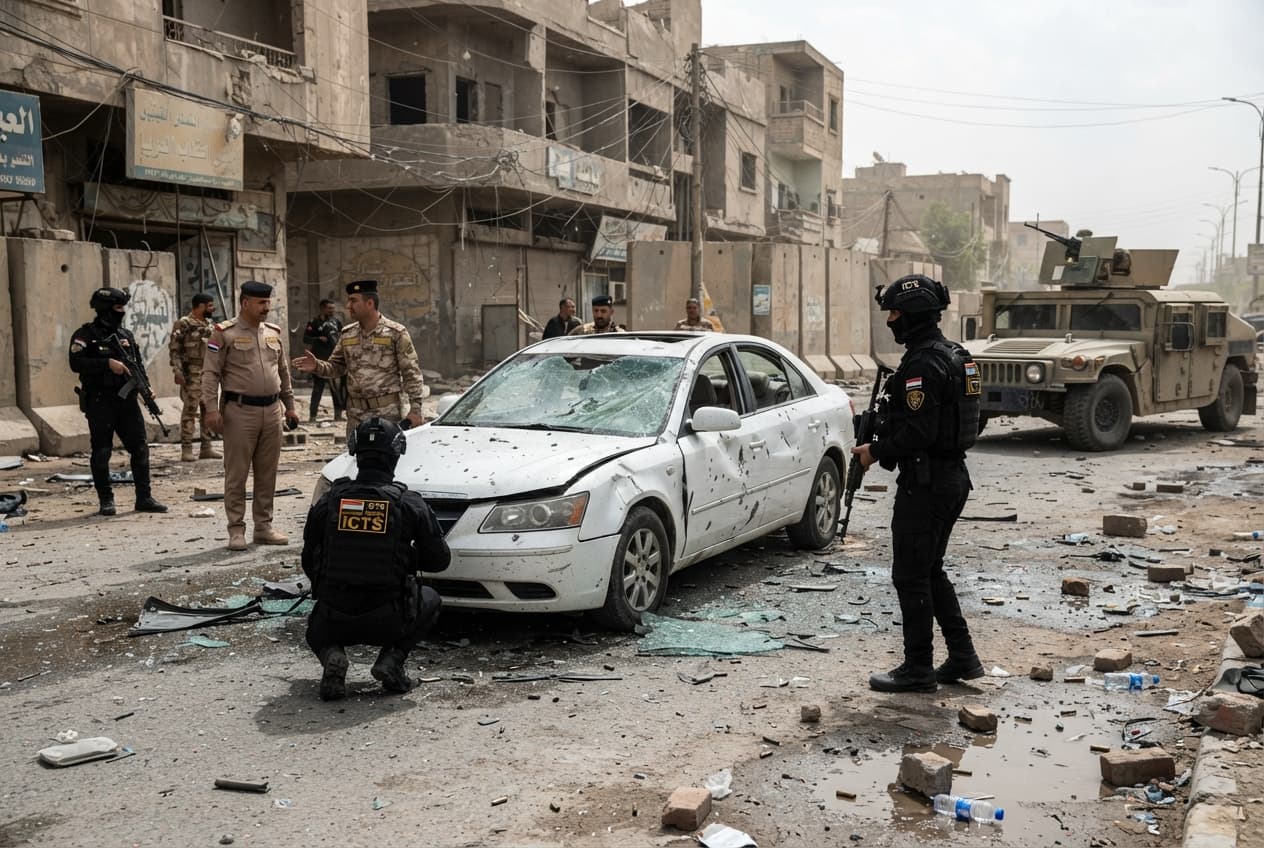
Security forces stationed near the settlements were slow to respond, initially observing the conflict from a distance as the internal boundaries of the camp shifted and re-formed. The local police, already strained by the task of patrolling a vast and porous coastline, view these communal eruptions with a mixture of weariness and detachment. When they finally moved in, using tear gas to clear the central thoroughfares, the crowd dispersed into the narrow alleys, leaving behind a landscape of scattered belongings and smoking ruins. The intervention managed to restore a temporary, sullen quiet, but the structural tensions that caused the riot remain completely unaddressed beneath the surface.
In the hospital wards where the injured were taken, the divisions were maintained, with staff forced to separate patients from different factions to prevent further bloodshed in the corridors. Doctors reported treating dozens of lacerations, blunt force traumas, and smoke inhalation cases, a grim inventory of a conflict that has no clear winners. Among the wounded were individuals who had themselves survived previous capsizings, men whose bodies still bore the physical scars of the sea now covered in the fresh bruises of the shore. It is a cycle of harm that seems to feed on itself, with each tragedy generating the emotional fuel for the next confrontation.
The elders and community leaders within the camps spent the evening attempting to negotiate a truce, sitting on woven mats in the shadows of the undamaged tents. Their authority, however, has been severely eroded by the prolonged nature of the crisis and the desperation of the younger men who see no future in patience. The traditional mechanisms of dispute resolution are poorly suited to an environment where the fundamental resources—food, water, and safe passage—are artificially scarce and controlled by criminal networks. The meetings broke up near midnight with little progress made, leaving the camp to sleep under a tense, watchful eye.
As dawn broke over the coast, the smoke from the burned shelters had cleared, revealing the skeletal frames of charred timber against the bright blue of the morning sky. The ocean, visible between the gaps in the buildings, remained calm, its steady, rhythmic wash against the shore a mocking contrast to the human chaos alongside it. The residents of the camp moved carefully through the lanes, avoiding eye contact with neighbors they had fought the day before, their energy spent but their anger unresolved. The community has been deeply fractured by this event, split along lines of nationality and language that had previously been blurred by their shared status as displaced persons.
According to a spokesperson for the regional security directorate, additional paramilitary units have been deployed around the perimeter of the coastal camp to prevent any resurgence of the intercommunal violence. The official report stated that fourteen individuals had been detained for arson and rioting, while three remained in critical condition at the district hospital due to injuries sustained during the initial melee. Aid agencies working in the sector have temporarily suspended their distribution operations inside the compound until a comprehensive security assessment can be completed by local authorities. The area remains under a strict dusk-to-dawn curfew as investigations into the root causes of the sea tragedy and the subsequent unrest continue.
Published by Banx Network. This article is part of the Banx decentralized media programme, powered by the BXE token on the XRP Ledger.