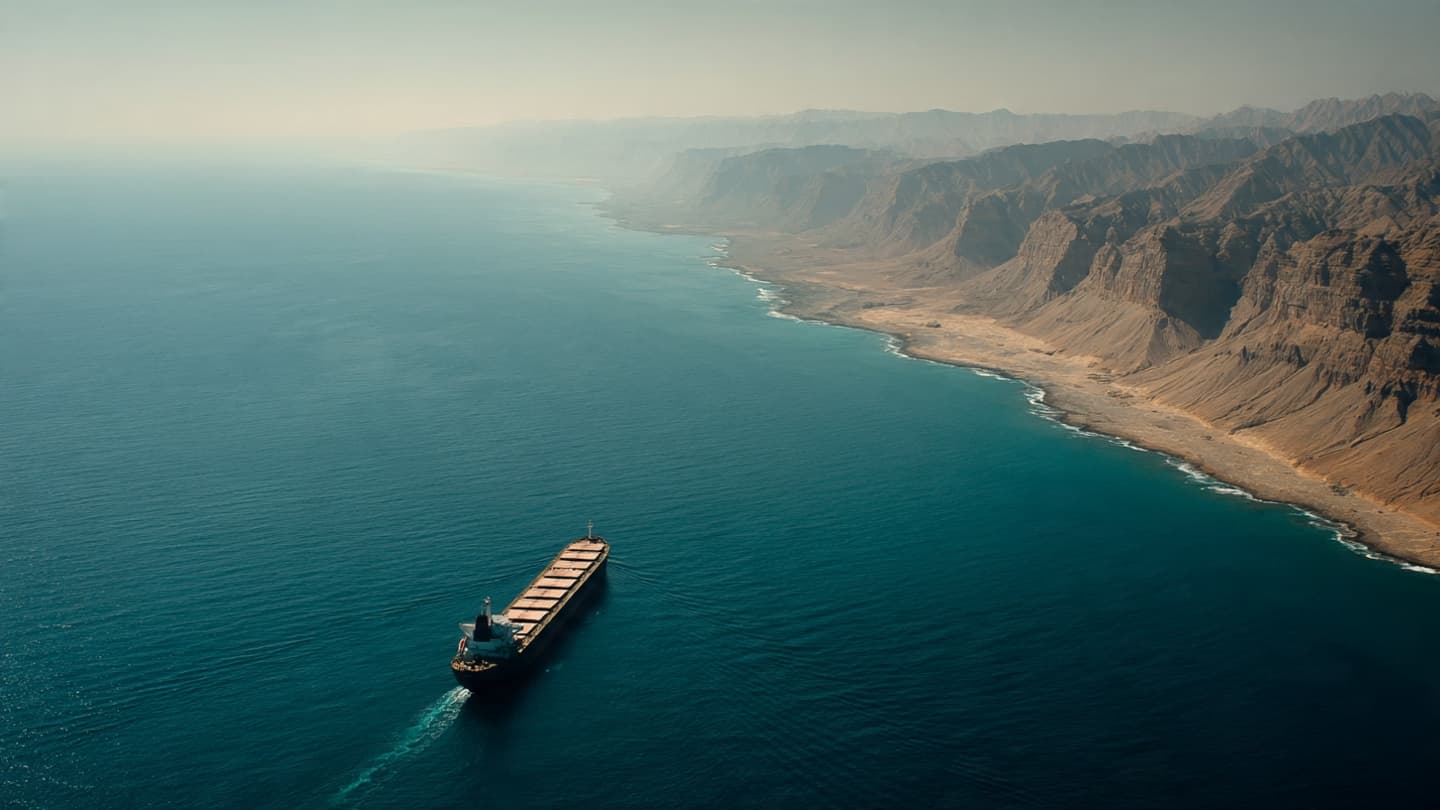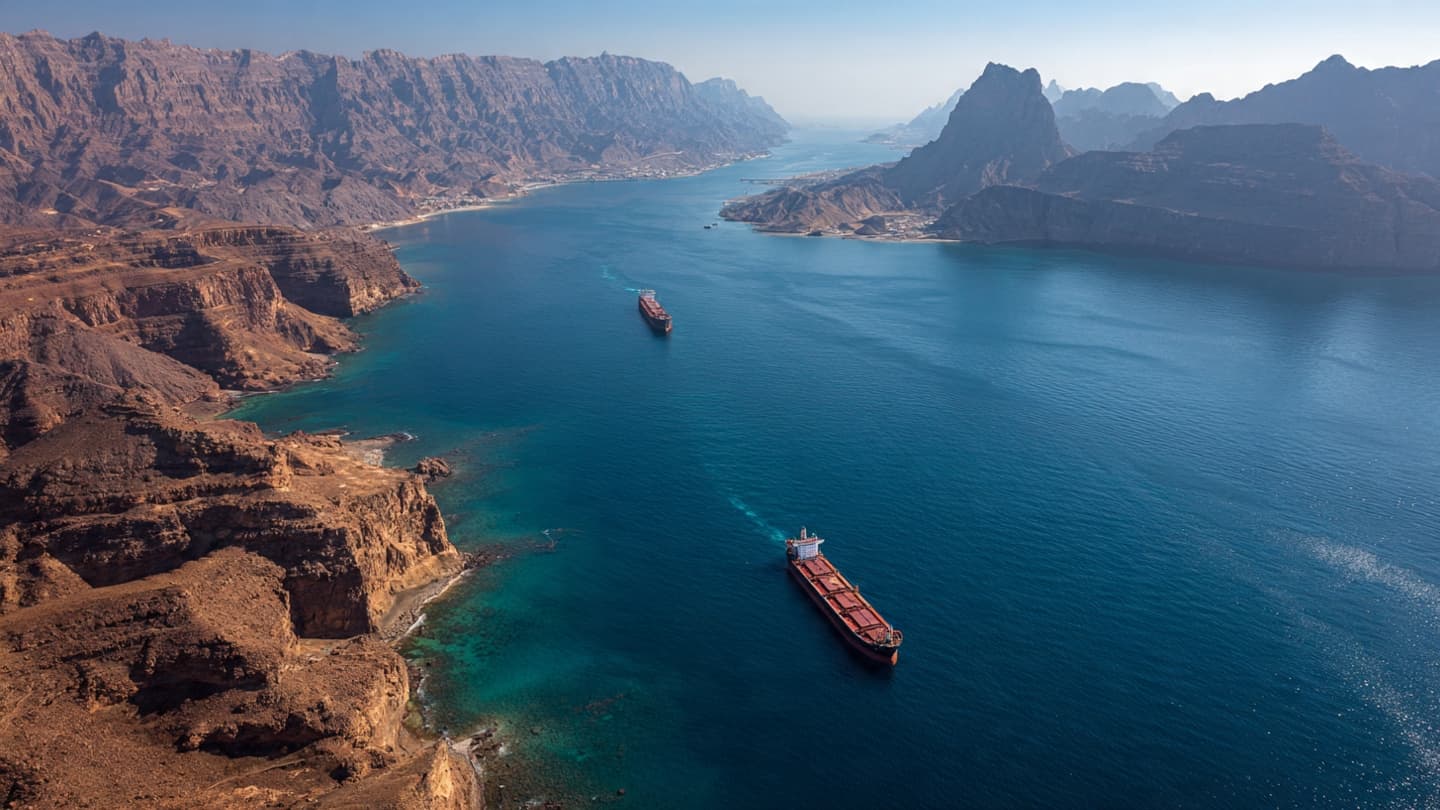
The Red Sea stretches between Africa and Arabia like a narrow corridor of blue, carrying ships toward ports and markets far beyond its shores. But the route has become increasingly difficult for crews to navigate with confidence. Recent attacks near Yemen have placed another layer of uncertainty over one of the world's most important maritime passages.
The Bab el-Mandeb Strait is particularly important because it connects the Red Sea with the Gulf of Aden. Commercial vessels using the route can continue north toward the Suez Canal or south toward the Indian Ocean, making the waterway an important link between Europe, Asia, Africa, and the Middle East.
In recent days, several vessels have come under attack in waters near Yemen. Reuters reported that a small cargo ship was attacked near the Bab el-Mandeb Strait on August 11, killing three crew members, according to Yemeni coast guard sources and military officials. (reuters.com)
Another attack involving the Egyptian-owned cargo vessel Tihamah resulted in the deaths of four crew members and two Yemeni rescuers, Reuters reported. The incident demonstrated that the danger can extend beyond the vessels themselves, reaching those who attempt to assist after an attack. (reuters.com)
For shipping companies, the consequences are measured differently. Operators must consider whether vessels can safely use the shortest route or whether they should take longer journeys around southern Africa. A diversion can add thousands of nautical miles, increasing fuel consumption, crew time, and operating expenses.
Those additional costs can eventually reach the wider economy. Longer shipping routes can affect freight rates and delivery schedules, while increased maritime insurance costs can influence the price of goods moving between continents. The consequences therefore extend beyond the sea itself.
For seafarers, the calculation is more immediate. Merchant crews may spend weeks or months at sea, working on vessels that travel through areas where security conditions can change quickly. The deaths reported this month have highlighted the risks faced by people whose work keeps international trade moving.
The maritime situation is also connected to developments on Yemen's western coast. On August 14, Yemen's internationally recognized government said six ballistic missiles were fired toward the port of Mocha, killing at least four civilians. Reuters reported that the Houthis did not immediately provide an independent account of the reported casualties. (reuters.com)
The repeated incidents have made the Red Sea a closely watched area for shipping companies and maritime authorities. Vessels continue to move through the region, but route planning now involves additional considerations involving security, insurance, timing, and crew protection.
For the moment, the Red Sea remains open to commercial navigation, yet the meaning of passage has changed. The waterway continues to carry ships toward distant ports, but every journey now takes place against a background of heightened maritime risk. Authorities and shipping operators continue monitoring the situation as crews move through the narrow waters of the Bab el-Mandeb.
Image Disclaimer
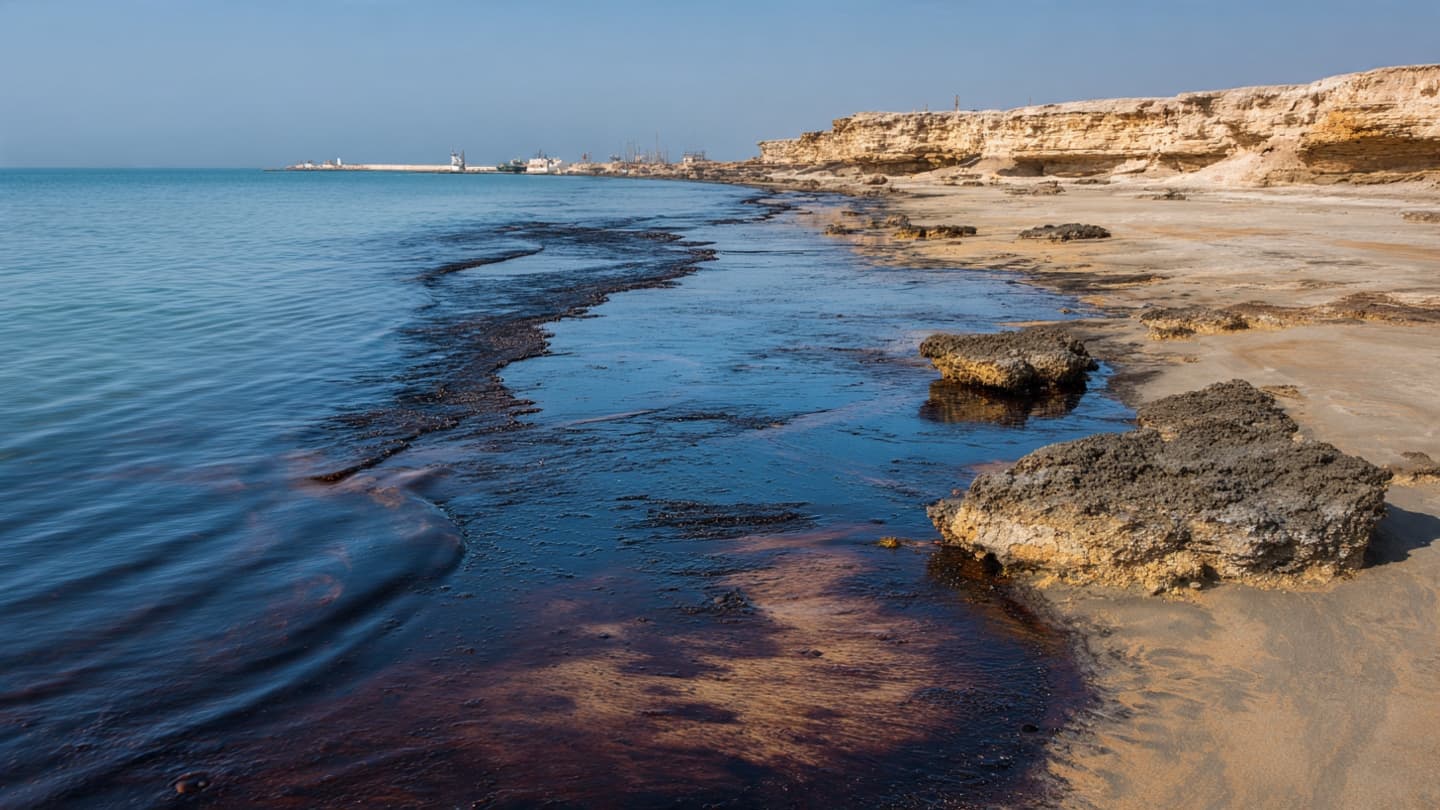
These visuals were generated using AI as conceptual representations of Red Sea maritime conditions and are not photographs of actual incidents.
Sources
Reuters Associated Press International Maritime Organization
Note: This article was published on BanxChange.com and is powered by the BXE Token on the XRP Ledger. For the latest articles and news, please visit BanxChange.com