
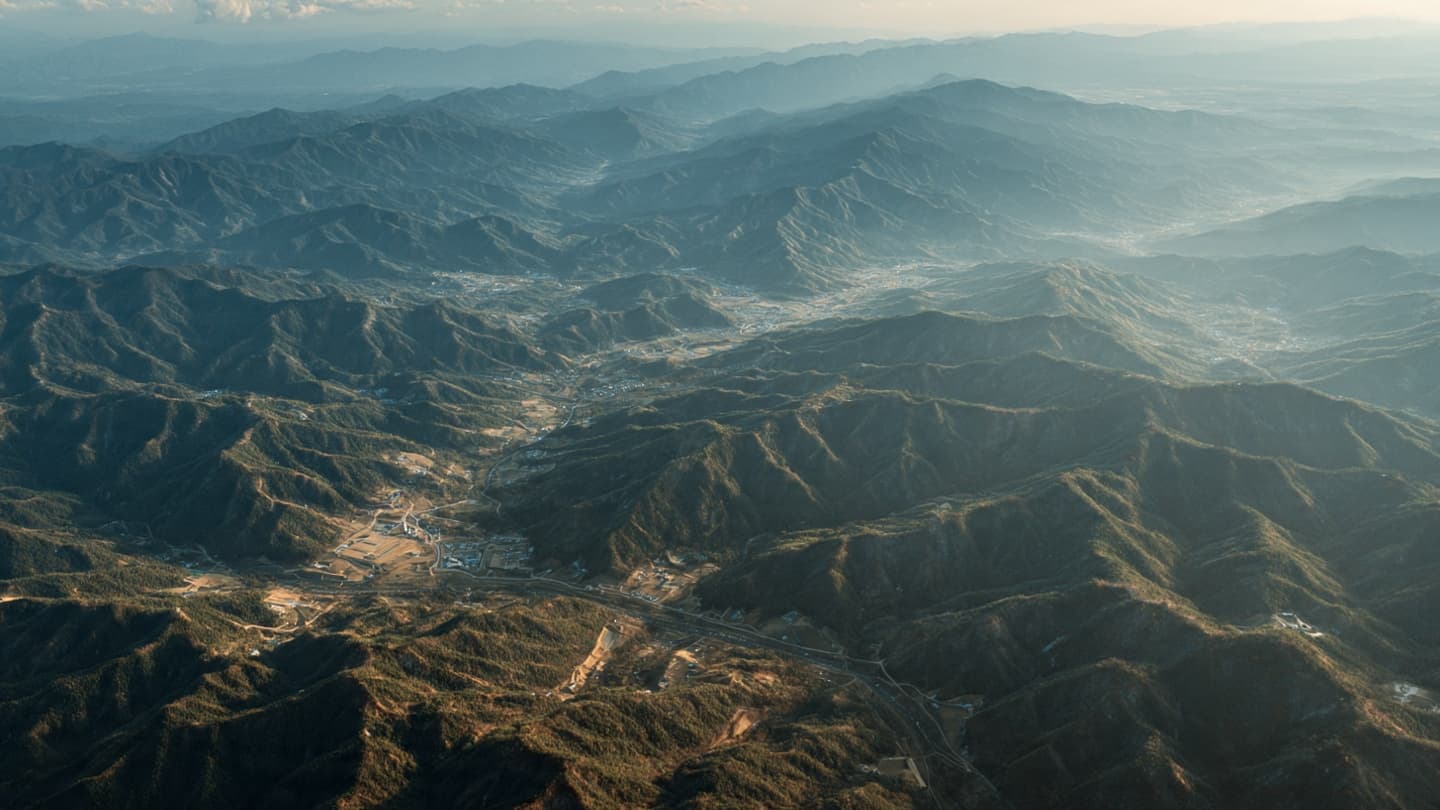
Morning arrives differently on the Korean Peninsula. In some places, it comes with the sound of crowded trains and bustling streets; in others, with the stillness of mountains standing watch over borders that have remained divided for generations. Across that landscape, where history and geopolitics intertwine like rivers meeting at a distant sea, another story continues to unfold—one measured not in seasons or harvests, but in warheads, missiles, and calculations of power.
North Korea’s nuclear program has entered a period that many analysts describe as unprecedented in scale and ambition. Over the past several years, the government of Kim Jong-un has accelerated weapons development, expanded missile testing, and signaled its intention to increase both the quantity and sophistication of its nuclear arsenal. What was once viewed as a limited deterrent is increasingly being discussed by experts as a growing and diversified force.
The expansion reflects a strategic calculation shaped by geography, history, and a shifting international environment. For Pyongyang, nuclear weapons remain more than military tools; they are presented as guarantees of national survival. North Korean leaders have long argued that a credible nuclear deterrent protects the country from external threats and preserves its sovereignty in a region crowded with powerful neighbors and military alliances.
Recent years have brought visible evidence of that determination. The country has unveiled new ballistic missiles, conducted missile launches at an unprecedented pace, and invested in systems designed to improve survivability and flexibility. Analysts have pointed to efforts that may include tactical nuclear weapons, submarine-based capabilities, and solid-fuel missiles capable of faster deployment. Together, these developments suggest an arsenal intended not merely to exist, but to adapt and endure.
The broader geopolitical landscape has also changed. Relations between North Korea and the United States remain largely frozen after the collapse of high-profile diplomatic efforts earlier in the decade. Meanwhile, growing strategic competition among major powers has altered diplomatic priorities across the globe. In such an environment, opportunities for renewed negotiations have become more limited, while incentives for military self-reliance have grown stronger from Pyongyang’s perspective.
There is also a domestic dimension to the story. Military achievements often serve as powerful symbols within North Korea, reinforcing narratives of technological progress and national resilience. Missile launches and weapons announcements are frequently presented as milestones of scientific accomplishment, linking security objectives with political legitimacy. In this way, the nuclear program functions not only as a strategic asset but also as a central feature of state identity.
Beyond the peninsula, neighboring countries watch these developments with a mixture of caution and concern. South Korea and Japan have responded by strengthening defense capabilities and deepening security cooperation with the United States. Regional governments continue to monitor North Korean activities closely, aware that each technological advance carries implications for military planning and diplomatic stability.
Yet beneath the statistics and strategic assessments lies a deeper reality. Nuclear programs are often described through numbers—warheads, ranges, launchers, and tests—but they also reflect perceptions of vulnerability and security. Nations build deterrents because they fear uncertainty, and uncertainty remains abundant in international affairs. For North Korea, the pursuit of a larger arsenal appears rooted in a belief that strength offers protection in a world where alliances shift and tensions endure.
As the years move forward, the consequences of this expansion will extend beyond North Korea’s borders. Diplomats, military planners, and regional leaders will continue searching for ways to manage risks while preventing escalation. The challenge is not only technological but political, requiring trust in a region where trust has often been scarce.
For now, the mountains remain where they have always stood, overlooking a peninsula shaped by memory and division. Beneath their silent presence, North Korea’s nuclear program continues to grow, reflecting both the anxieties of the present and the uncertainties of the future. Whether that growth ultimately strengthens stability or deepens insecurity remains one of the defining questions facing Northeast Asia today.
AI Image Disclaimer Illustrations were created using AI tools and are intended as visual representations rather than authentic photographs.
Sources International Atomic Energy Agency (IAEA) United Nations Reuters Associated Press Center for Strategic and International Studies (CSIS)
Published by Banx Network. This article is part of the Banx decentralized media programme, powered by the BXE token on the XRP Ledger.


.jpg&w=3840&q=75 "Russia Turns Black Sea Into World’s Deadliest Shipping Route as More Than 570 Ships Are Hit")