The night air moving across the high plateau of Isfahan carries the dry, ancient scent of the central desert, a landscape where roads have funneled the commerce of empires for thousands of years. Today, the historic crossroads find themselves navigating a different, more hazardous kind of circulation. Beneath the shadows of the mountain passes, long-haul shipping vehicles move like silent giants along the asphalt veins connecting the southern borders to the urban hearts of the country. Within the cavernous holds of these transports, hidden among the ordinary commodities of daily survival, currents of illicit contraband occasionally attempt to slip past the eyes of the law.
There is a mechanical monotony to the flow of global shipping, a rhythm that creates a natural camouflage for those who operate within the criminal underground. To the casual observer, a heavy freight truck is merely a sign of economic vitality, an essential link in the supply chain that feeds the central metropolitan markets. Yet, the specialized units that monitor these transit corridors look at the highway through a lens of persistent suspicion, recognizing that the very scale of legitimate logistics provides an ideal screen for the transport of high-volume narcotics.
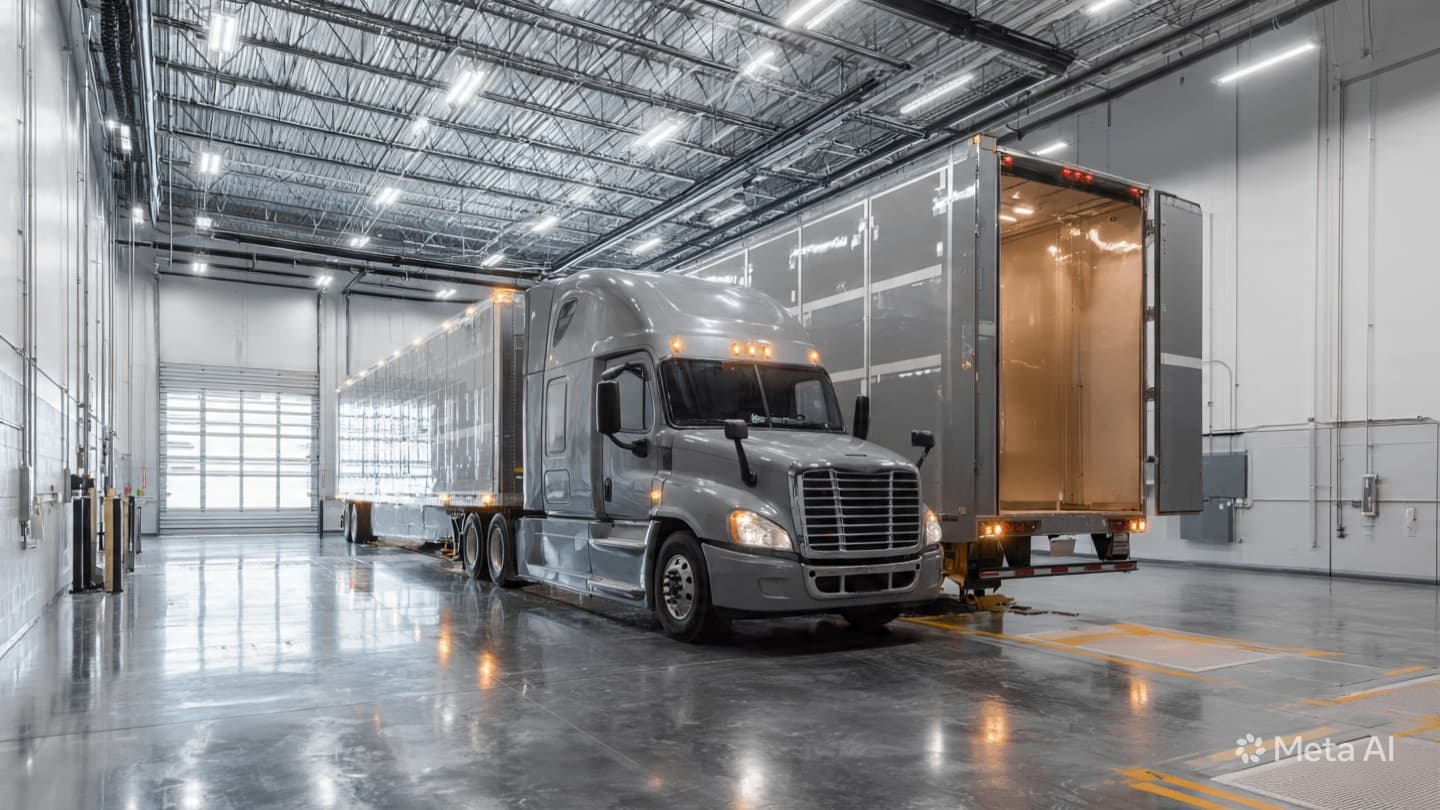
The interception of the vehicle on the outskirts of the province occurred with a quiet, tactical suddenness that offered no opportunity for evasion or flight. Law enforcement units, acting on a mosaic of intelligence gathered over weeks of regional observation, pulled the transport into a secure inspection bay away from the main flow of traffic. As the mechanical seals were broken, the scent of the desert was replaced by the dense, chemical reality of over five hundred kilograms of illicit narcotics neatly packed into false compartments beneath the chassis.
To look upon a haul of this magnitude is to see the physical manifestation of an immense social pressure, a cargo designed to distribute dependence and decay through a dozen cities. Each wrapped bundle represents a sophisticated logistical effort, a chain of transactions that spans international borders and deep mountain wildernesses before reaching the highway. The seizure does not merely disrupt a single delivery; it breaks a carefully constructed pipeline, forcing the syndicates back to the planning stages and introducing a major financial fracture into their regional balance sheets.
The individuals who pilot these illegal cargoes across the interior are often small cogs in a far larger, decentralized apparatus. Sitting behind the wheels of their heavy rigs, they gamble their freedom against the promise of a lucrative payday, relying on the sheer volume of highway traffic to shield them from scrutiny. When the trap closes, the illusion of anonymity disappears instantly, leaving the driver isolated within the stark, bureaucratic reality of an enforcement precinct where their cargo is methodically weighed, logged, and cataloged as state evidence.
As the morning sun begins to illuminate the blue-tiled domes of Isfahan in the distance, the highway police finish the long labor of securing the scene. The heavy transport truck, once a high-value asset for a trafficking network, sits idle in the compound yard, its keys held by the state. The neighborhood surrounding the checkpoint returns to its habitual traffic, oblivious to the fact that half a ton of destructive material was quietly removed from the national distribution system while the province slept.
The legal journey for those involved will now proceed through the specialized anti-narcotics branches of the provincial judiciary. The investigation will expand outward from the highway, utilizing digital forensics and financial tracking to identify the distributors who were waiting for the shipment in the central cities. This post-seizure phase is a slow, methodical unraveling of the network's domestic infrastructure, ensuring that the impact of the interception extends far beyond the physical boundaries of the inspection point.
The enforcement of strict anti-trafficking protocols remains a critical pillar of regional stability, given the geographic reality of the country's position along historic smuggling routes. Despite the continuous adaptation of smuggling methods—ranging from drone deliveries to deep vehicle modifications—the integration of advanced scanning technologies at regional checkpoints has significantly altered the risk equation for large-scale distributors. The judiciary continues to treat these high-volume transit cases with the highest level of statutory severity to preserve the social fabric of the interior.
The Isfahan Provincial Police Command, in a joint statement with the Anti-Narcotics Police, confirmed the seizure of five hundred and twenty kilograms of illicit substances during a targeted vehicle inspection on the southern transit highway. The cargo, consisting primarily of high-grade opium and synthetic derivatives, was discovered concealed within a modified commercial refrigeration truck traveling from the southeastern border regions. The operator of the vehicle was detained at the scene without incident and remains in isolated custody under the national anti-trafficking statutes. Criminal investigators are currently tracing the financial networks tied to the shipment's central destination.
Published by Banx Network. This article is part of the Banx decentralized media programme, powered by the BXE token on the XRP Ledger.