
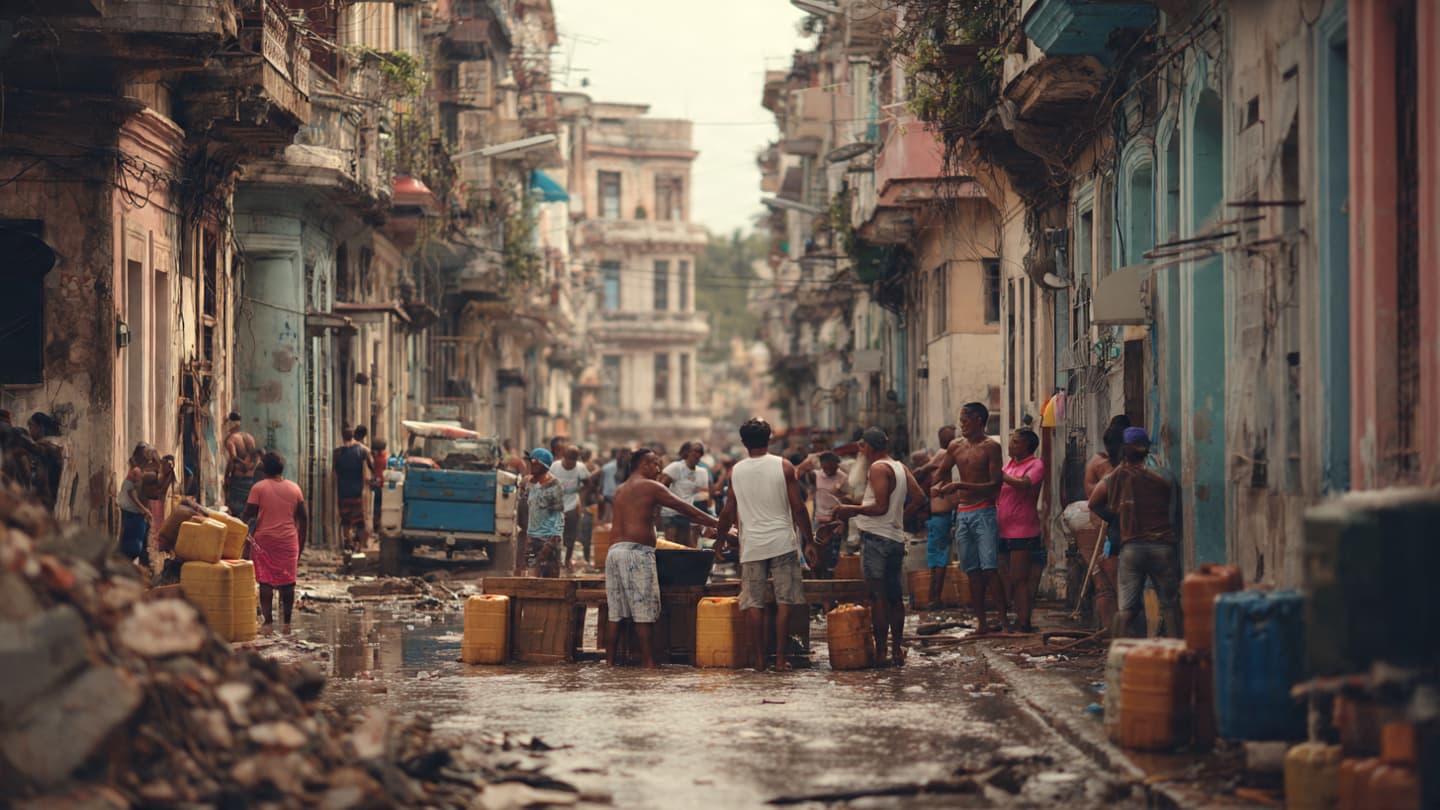
After storms pass through Caribbean towns, silence often arrives before recovery does. Streets begin drying beneath returning sunlight, debris settles along sidewalks, and the sound of generators replaces the earlier noise of wind and rain. Yet beneath the appearance of calm, daily necessities frequently remain fragile. In several Cuban communities this week, access to water became one of the quietest and heaviest concerns left behind after severe weather. Authorities reported water shortages across storm-affected districts after heavy rainfall and infrastructure damage disrupted local supply systems. Damaged pipelines, electrical interruptions, and flooded pumping stations limited access to clean water in several residential communities. Residents gathered near distribution points carrying buckets, bottles, and plastic containers while municipal workers attempted emergency deliveries using tanker trucks. In some neighborhoods, families waited for hours beneath humid afternoon heat as limited supplies moved slowly between affected areas. Officials stated that recent storm activity damaged portions of regional water infrastructure already strained by aging systems and difficult weather conditions. Floodwaters reportedly affected pumping equipment while fallen debris complicated repair access along key service routes. Emergency crews continued assessing damaged facilities throughout impacted districts. Inside affected communities, the shortage reshaped ordinary routines. Restaurants reduced operations, schools adjusted schedules, and households carefully rationed available water supplies for cooking, cleaning, and drinking. Neighbors exchanged information about delivery schedules while local volunteers assisted elderly residents unable to travel long distances for water collection. The atmosphere across these towns carried a subdued patience more than visible anger. People stood quietly beside containers beneath fading daylight while repair vehicles moved between damaged roads and utility sites. The hardship itself unfolded gradually, measured not through dramatic scenes but through interrupted routines repeated hour after hour. Health authorities urged residents to boil available water where possible and follow sanitation precautions until systems stabilized. Officials also warned that prolonged service interruptions could continue if additional rainfall delayed repair efforts in flood-damaged regions. Across Cuba, water infrastructure has increasingly faced pressure from severe weather events, aging equipment, and electrical instability. Storms often expose these vulnerabilities with sudden clarity, leaving communities balancing recovery efforts against the practical demands of everyday survival. By nightfall, some districts began receiving limited water service restoration while others remained dependent on emergency distribution programs. Authorities confirmed that repair operations and emergency deliveries would continue as infrastructure assessments moved forward across affected communities.
Visuals are AI-generated and serve as conceptual representations.
Note: This article was published on BanxChange.com and is powered by the BXE Token on the XRP Ledger. For the latest articles and news, please visit BanxChange.com