In global diplomacy, some of the most consequential movements are not marked by ceremony or spectacle, but by quiet proposals that suggest a shift in where pressure is held and how it is contained. Nuclear material, in particular, exists in this realm of controlled weight—both physical and political—where its storage and movement carry implications far beyond geography.
According to remarks attributed to the head of the International Atomic Energy Agency, Kazakhstan has offered to take custody of Iran’s uranium stockpile, a proposal that, if developed further, would place the Central Asian nation into a sensitive role within one of the most closely watched nuclear discussions in international relations.
The idea of transferring enriched material to a third-country location is not new in nuclear diplomacy. Similar arrangements have historically been used as confidence-building measures, designed to reduce immediate tensions while broader negotiations attempt to address underlying disputes. In such frameworks, the physical relocation of material becomes a form of political signaling—an attempt to separate capability from immediate risk.
Kazakhstan, with its historical association with nuclear disarmament following the Soviet era, occupies a particular symbolic position in global nonproliferation narratives. It voluntarily relinquished one of the world’s largest inherited nuclear arsenals in the 1990s, later positioning itself as an advocate for disarmament and controlled nuclear cooperation under international oversight. That legacy now re-emerges in discussions that extend beyond symbolism into practical diplomatic utility.
Iran’s uranium stockpile, meanwhile, has long been a focal point of tension in negotiations over nuclear transparency and compliance frameworks. The handling, enrichment levels, and oversight of such material remain central to broader debates involving sanctions, verification mechanisms, and regional security concerns. Any proposal involving its transfer would therefore intersect with technical safeguards as well as political trust.
The International Atomic Energy Agency, acting as a monitoring body, often occupies a space between technical verification and diplomatic facilitation. While it does not determine political outcomes, its assessments and acknowledgments frequently shape the contours within which negotiations unfold. In this case, the mention of a potential custody arrangement signals at least exploratory thinking within international channels about alternative approaches to managing sensitive material.
If pursued, such an arrangement would require extensive verification protocols, transportation safeguards, and multilateral agreement. Uranium, unlike many other commodities of diplomacy, cannot be separated from its dual-use nature, meaning that every logistical detail carries strategic interpretation. The process would likely involve layered oversight mechanisms designed to ensure that custody does not become ambiguity.
At the same time, proposals of this nature often reflect broader conditions in negotiations that have reached moments of stagnation or recalibration. When direct progress slows, diplomatic architecture sometimes shifts toward indirect solutions—geographic relocation, third-party custody, or interim containment measures that preserve negotiation space.
For now, the proposal remains in the realm of reported discussion rather than implemented policy. Yet even at this stage, it illustrates how nuclear diplomacy often moves through carefully constructed alternatives, where geography becomes part of the negotiation itself and trust is partially outsourced to institutions and intermediary states.
In this evolving conversation, Kazakhstan’s offer—if fully formalized—would not only concern uranium, but also the continuing search for frameworks that can hold tension without allowing it to harden into rupture. And in that search, the material at the center of debate remains both chemically stable and politically unsettled, waiting for agreement to define its next location.
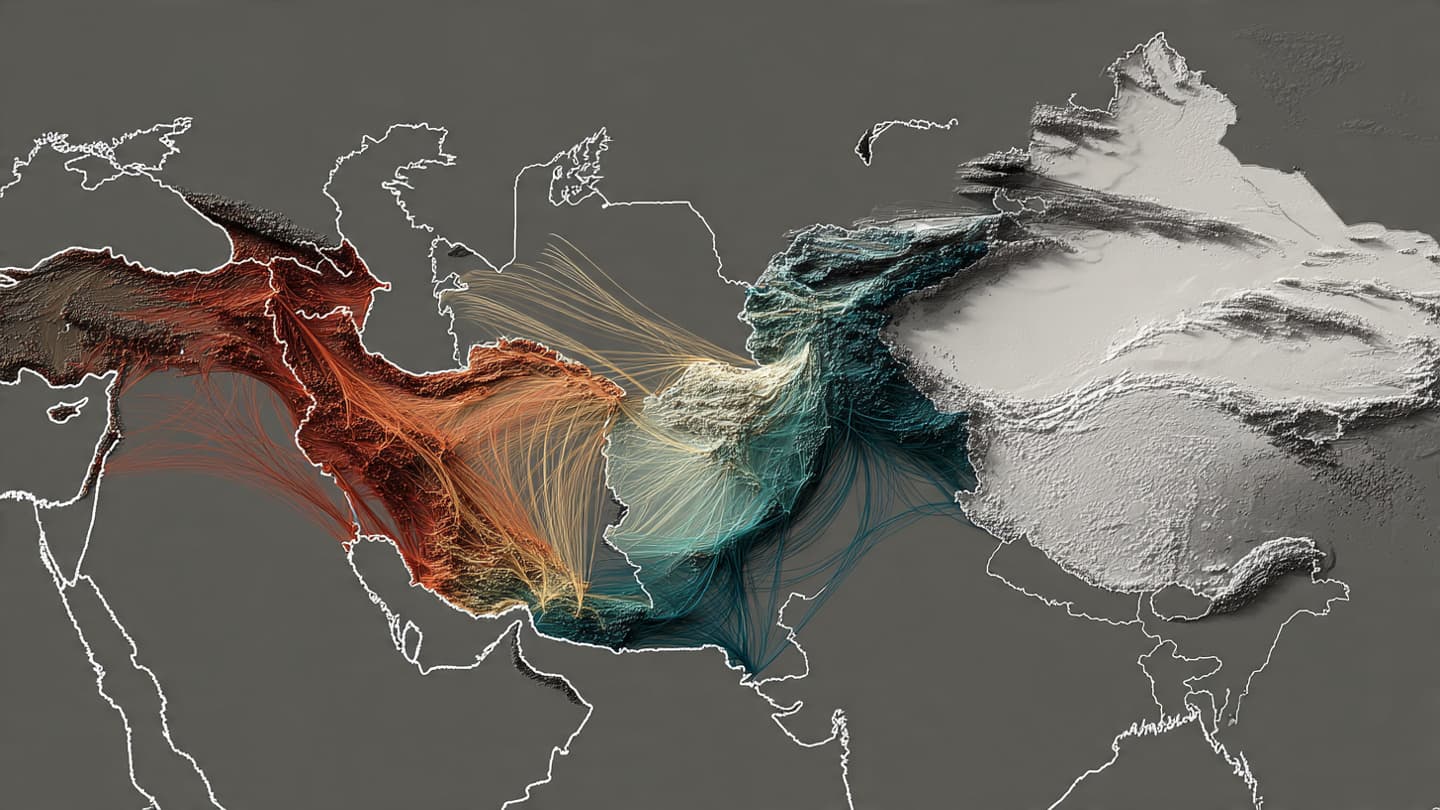
AI Image Disclaimer “Visuals are AI-generated conceptual representations intended to illustrate reported diplomatic discussions and not real operational transfers.”
Sources Reuters, BBC News, Associated Press, The Guardian, Al Jazeera
Published by Banx Network. This article is part of the Banx decentralized media programme, powered by the BXE token on the XRP Ledger.