
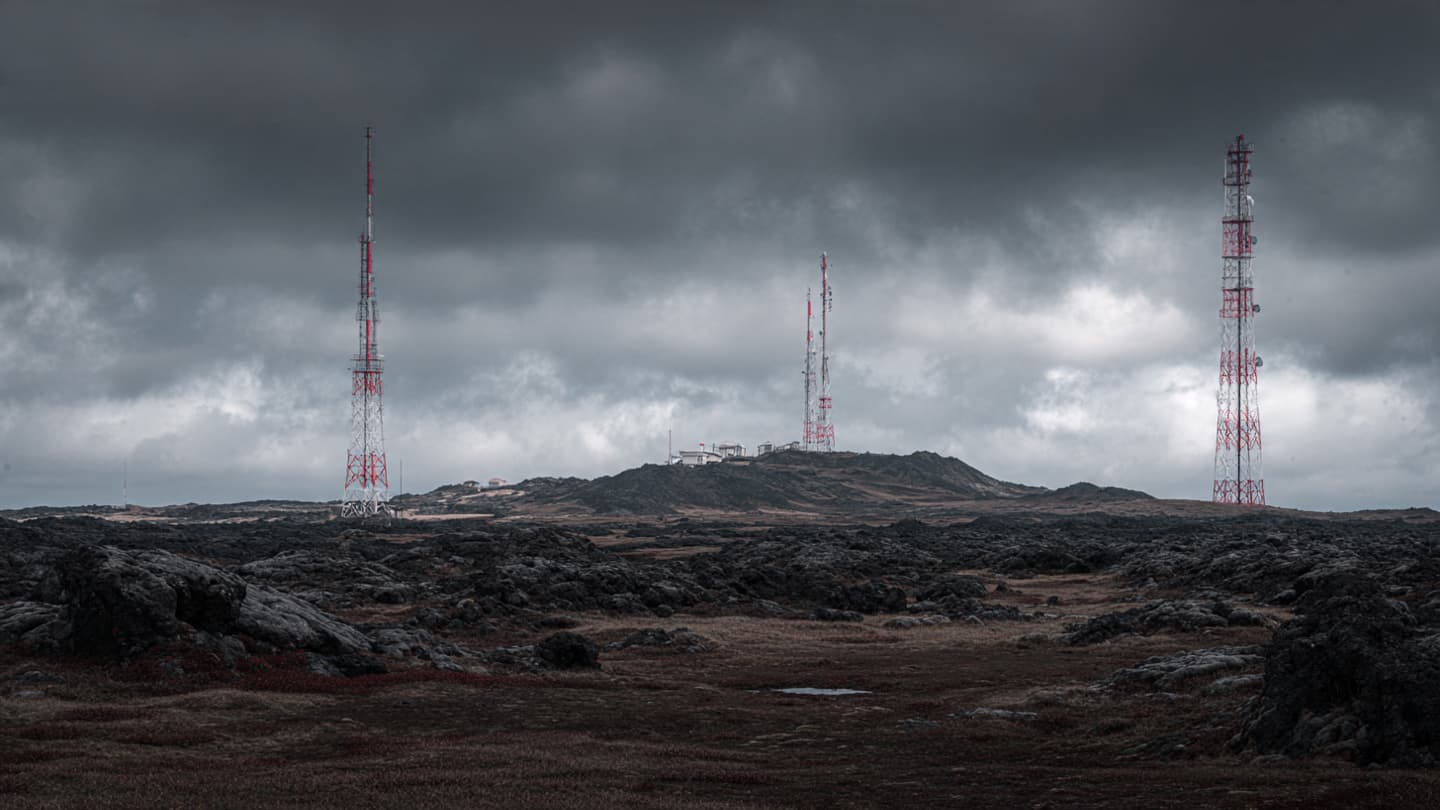
The volcanic landscape of Iceland often appears still from a distance, shaped by black lava fields, cold wind, and long stretches of silence beneath northern skies. Yet beneath Reykjanes Peninsula, the earth has continued speaking in quieter, persistent motions — small tremors unfolding one after another beneath the surface.
This week, seismic activity continued near Iceland’s Reykjanes Peninsula as earthquake swarms were recorded across the volcanically active region. Authorities and geologists closely monitored the area amid growing public attention toward possible underground magma movement.
Residents in nearby communities reported feeling repeated tremors over recent days, some subtle and brief, others strong enough to shake windows and household objects during nighttime hours. Though no major damage was immediately reported, the ongoing seismic activity revived memories of recent volcanic events that reshaped parts of the peninsula.
The Icelandic Meteorological Office stated that earthquake clusters remained concentrated around fault systems linked to volcanic processes beneath Reykjanes. Scientists continued analyzing seismic patterns, ground deformation, and magma pressure indicators while emergency authorities reviewed preparedness measures.
Roads crossing lava fields remained open in most areas, though officials advised travelers and tourists to remain alert for changing conditions. The peninsula has become increasingly monitored in recent years as recurring eruptions and seismic unrest transformed the region into one of Iceland’s most closely watched geological zones.
In Grindavik and surrounding communities, daily life continued beneath an atmosphere shaped by uncertainty rather than panic. Cafés, fishing harbors, and local roads remained active, though conversations often returned to the tremors quietly passing beneath the landscape.
Iceland’s volcanic terrain exists within a constant balance between calm and movement, where underground pressure can evolve gradually over weeks or emerge suddenly through eruption. Scientists emphasized that earthquake swarms do not always result in volcanic activity, though monitoring efforts remain extensive.
As evening settled across the peninsula, distant lights reflected against dark lava fields while seismic instruments continued recording movement deep underground. The land itself appeared motionless beneath cold skies, despite the persistent activity hidden far below.
Icelandic authorities confirmed that earthquake swarms near Reykjanes Peninsula remain ongoing. Scientists continue monitoring seismic and volcanic conditions throughout the region.
Note: This article was published on BanxChange.com and is powered by the BXE Token on the XRP Ledger. For the latest articles and news, please visit BanxChange.com