
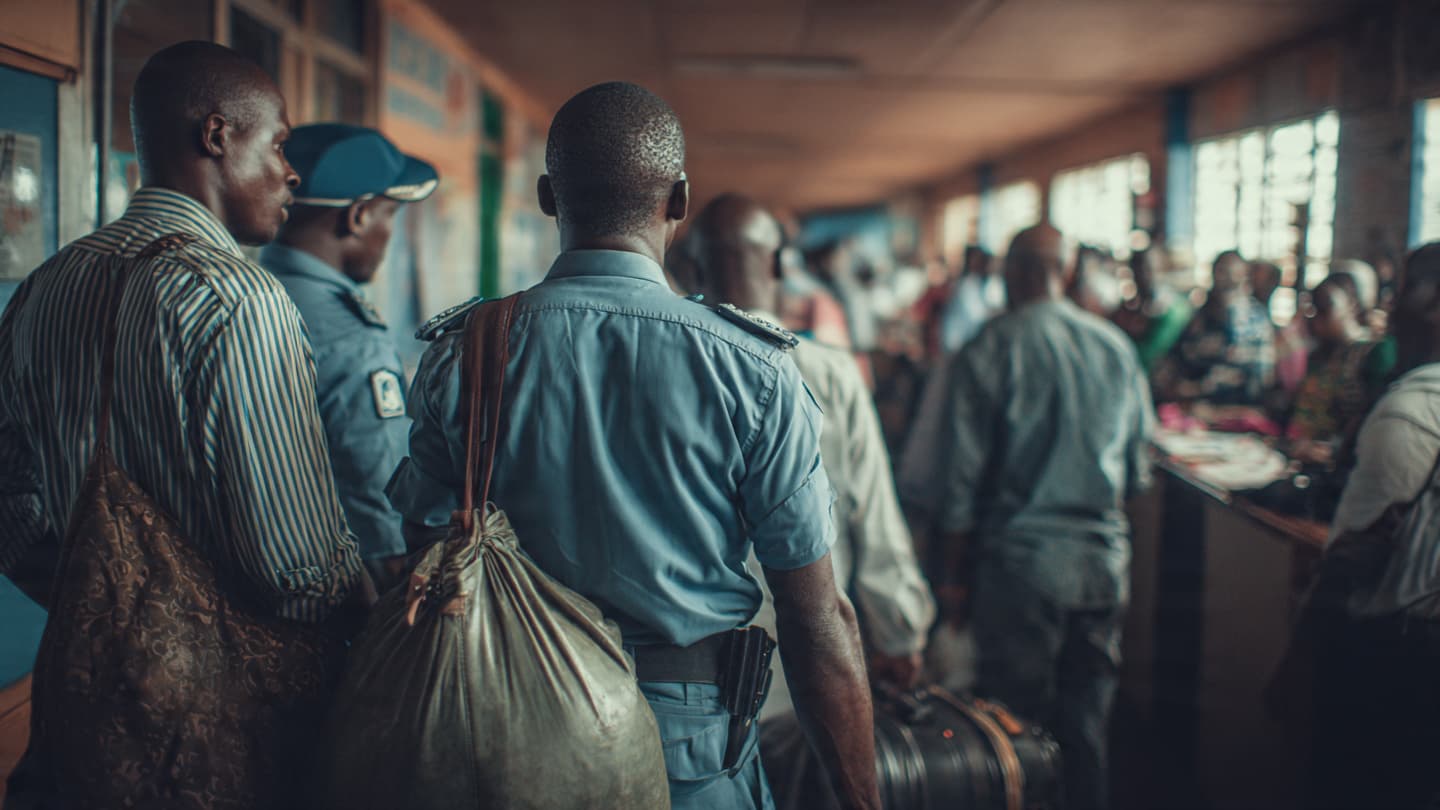
Migration has often resembled a river that changes course quietly over time, carrying with it stories of hope, uncertainty, and difficult decisions. This week, that current reached as nine deportees from the arrived under a third-country agreement that has drawn international attention and renewed discussion around modern immigration policy.
The arrangement reflects a broader trend among governments seeking alternative pathways for handling deportation cases involving individuals whose return to their countries of origin may be legally or diplomatically difficult. Officials involved in the agreement have described it as part of ongoing cooperation on migration management and border enforcement.
While the number of individuals involved remains relatively small, the symbolism surrounding such agreements often extends beyond statistics. Immigration policy carries emotional and political weight because it touches questions of identity, sovereignty, and responsibility. Even limited programs can become part of larger debates about how nations share the burden of global displacement and irregular migration.
Authorities in Sierra Leone have indicated that the deportees will undergo standard processing and monitoring procedures upon arrival. Government representatives have also emphasized that the agreement was reached through diplomatic channels and is intended to comply with international legal frameworks.
Human rights organizations, meanwhile, continue to examine the conditions attached to third-country arrangements worldwide. Critics frequently raise concerns regarding transparency, long-term support systems, and the social integration of deportees in receiving countries. Supporters argue that such agreements may help governments manage complex immigration backlogs while maintaining enforcement systems.
The United States has increasingly explored partnerships with other nations as migration pressures remain a prominent domestic and international issue. Similar discussions have emerged in parts of and elsewhere, where governments are balancing border security priorities with humanitarian obligations and legal standards.
For Sierra Leone, the agreement arrives at a time when the country continues to strengthen diplomatic and economic relationships internationally. Observers note that smaller nations sometimes face delicate calculations when engaging in migration partnerships with larger powers, particularly where financial assistance or development cooperation may intersect with immigration policy.
Behind official statements and policy language are the quieter realities faced by the individuals themselves. Deportation often marks the abrupt closing of one chapter while leaving another uncertainly open. For many migrants worldwide, movement across borders is rarely a simple journey; it is shaped by economics, conflict, family ties, and the search for stability.
As governments continue negotiating migration arrangements across regions, the arrival of the nine deportees in Sierra Leone may become another reference point in the evolving global conversation about borders, responsibility, and human mobility in an interconnected century.
AI Image Disclaimer: Some illustrations accompanying this article were created using AI-generated imagery to visually represent migration and international travel settings.
Sources: Reuters, Associated Press, BBC, Al Jazeera, AFP
Note: This article was published on BanxChange.com and is powered by the BXE Token on the XRP Ledger. For the latest articles and news, please visit BanxChange.com