
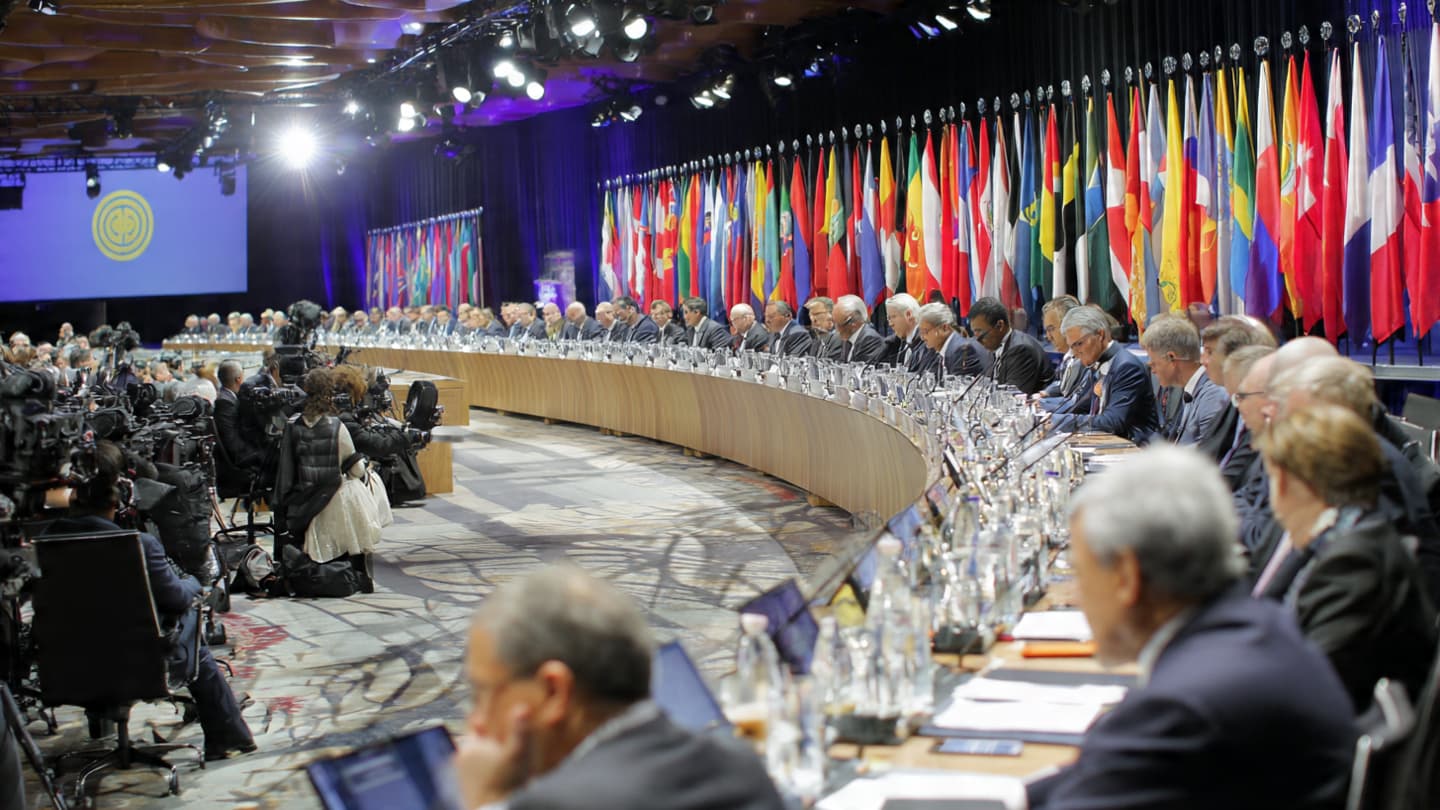
In a world often defined by competition, moments of dialogue can carry particular significance. Economic powers may pursue different priorities, defend different interests, and promote different strategies, yet they remain connected through trade, investment, and shared exposure to global challenges. It is within this context that China recently joined an economic discussion led by French President Emmanuel Macron ahead of the upcoming G7 Summit.
The conversation arrives at a time when the global economy faces multiple sources of uncertainty. Growth forecasts remain uneven across regions, supply chains continue adapting to changing realities, and industries are navigating a period of rapid technological transformation. Against this backdrop, communication between major economies has taken on renewed importance.
France has consistently emphasized the value of dialogue in managing international economic relationships. While disagreements may persist on specific issues, maintaining channels of communication is often viewed as essential for reducing misunderstandings and identifying areas where cooperation remains possible.
China's participation in the discussion reflects the country's continuing importance within the global economic system. As one of the world's largest economies and manufacturing centers, developments in China influence markets, trade flows, and industrial strategies across multiple continents.
Observers note that conversations between major economic powers are not necessarily designed to resolve every difference. Rather, they provide opportunities to exchange perspectives, clarify intentions, and explore common interests. In a complex global environment, even incremental progress can contribute to greater stability.
Technology was expected to feature prominently in discussions. Artificial intelligence, advanced manufacturing, and digital infrastructure have become increasingly important drivers of economic competitiveness. At the same time, these sectors raise questions about standards, regulation, and international cooperation.
Trade remains another key area of focus. Businesses around the world continue adapting to shifting market conditions and evolving supply chains. Dialogue among major economies can help create greater predictability for companies operating across borders.
Financial markets often pay close attention to such interactions. Investors frequently interpret diplomatic engagement as a signal of willingness to manage differences through discussion rather than confrontation. While conversations alone do not guarantee policy changes, they can influence expectations about future relations.
France's role in facilitating the dialogue highlights its broader ambition to encourage international cooperation during a period of geopolitical and economic complexity. The effort aligns with a belief that sustained engagement remains valuable even when consensus is difficult to achieve.
As leaders prepare for the G7 Summit, the discussion serves as a reminder that diplomacy often begins long before formal meetings take place. Sometimes the most important developments occur not in headline announcements but in the simple decision to continue talking across borders, perspectives, and competing interests.
AI IMAGE DISCLAIMER Visuals are created with AI tools and are not real photographs.
SOURCES Reuters, AFP, Bloomberg, Financial Times, France 24
Note: This article was published on BanxChange.com and is powered by the BXE Token on the XRP Ledger. For the latest articles and news, please visit BanxChange.com