
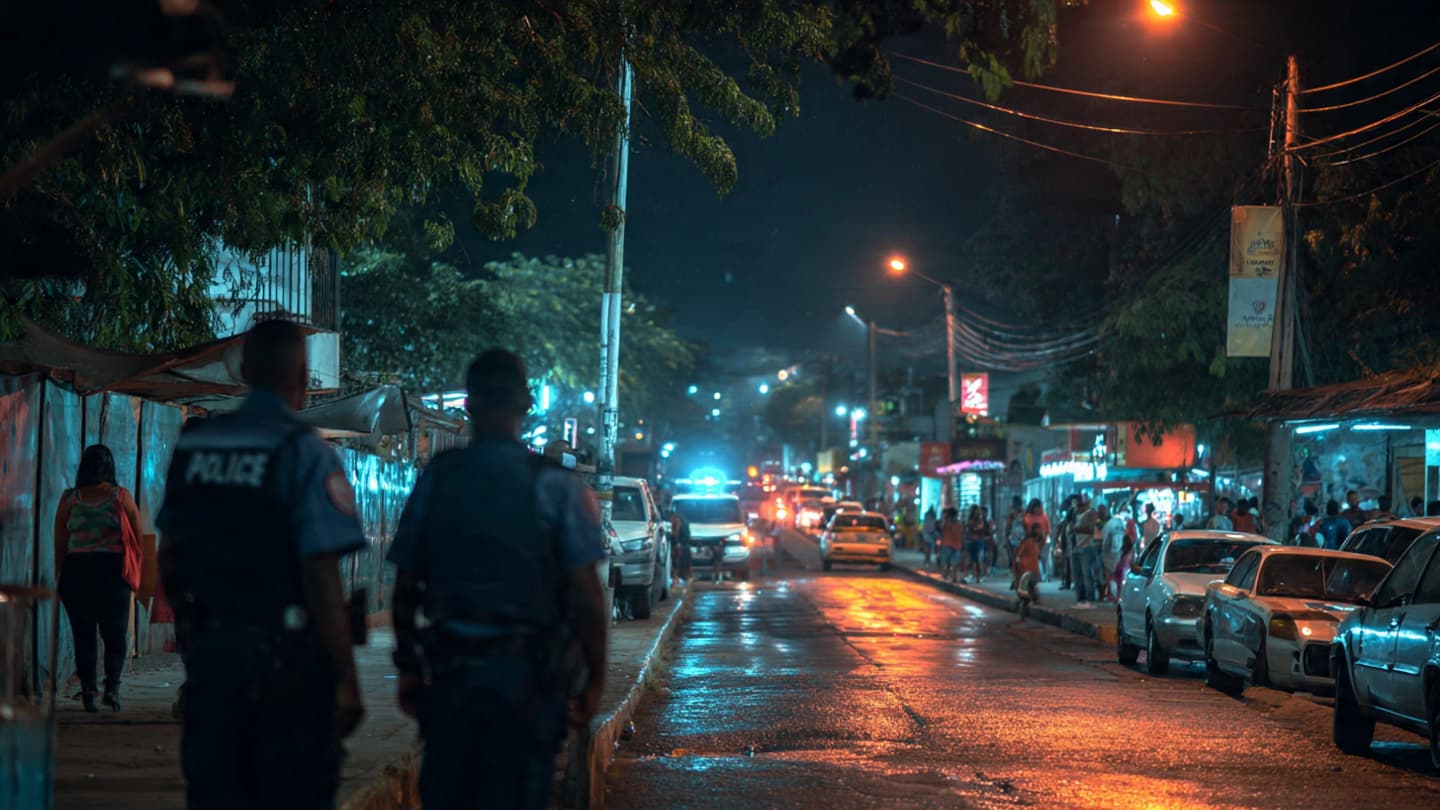
Evening settles heavily across Nicaragua’s largest cities, where traffic lights flicker against damp pavement and crowded sidewalks slowly empty beneath gathering darkness. The familiar sounds of commerce and conversation still drift through Managua, León, and other urban centers, yet recent warnings have added another layer to the atmosphere — a quieter tension carried between hurried footsteps and cautious glances.
International travel advisories released this week have warned visitors about increasing risks involving assault, armed theft, and kidnapping threats in several major Nicaraguan cities. Authorities have encouraged travelers to remain alert in public areas, avoid isolated streets after sunset, and limit unnecessary movement during late-night hours.
The warnings describe incidents ranging from street robberies to more organized criminal activity targeting both residents and foreign nationals. Officials say crowded transportation zones, entertainment districts, and poorly lit roads may present elevated risks, particularly for individuals traveling alone.
For many local residents, the advisories echo concerns already shaping daily routines. Restaurants close earlier in some neighborhoods. Taxi drivers speak cautiously about routes avoided after midnight. Families wait anxiously for relatives returning home through congested urban corridors where police sirens have become increasingly familiar against the city’s nighttime rhythm.
Though Nicaragua remains active with tourism and commercial activity, the latest security concerns arrive during a period of broader regional instability tied to economic pressure and organized criminal networks. Analysts note that urban crime often rises quietly before becoming visible through international warnings and changing public behavior.
Across Managua’s busy districts, ordinary life still unfolds beneath tangled utility lines and humid skies. Street vendors continue arranging evening meals beside crowded intersections while buses rattle through traffic carrying workers home. Yet caution now accompanies many ordinary movements once taken without second thought.
Authorities have advised visitors to rely on licensed transportation providers and avoid displaying valuables openly in public. Some embassies have also encouraged travelers to maintain regular communication with hotels or family members while moving between cities.
In León and other historic urban centers, tourism operators say security remains manageable but increasingly monitored. Hotels and businesses have reportedly strengthened surveillance systems and private security arrangements following heightened international attention surrounding criminal threats.
The warnings have not resulted in widespread travel restrictions, though several governments continue urging heightened vigilance throughout Nicaragua’s urban regions. Officials emphasize preventive awareness rather than panic, encouraging travelers to remain informed about local conditions and avoid unnecessary risks.
As another warm night settles across the country, city streets continue carrying their restless movement beneath fading storefront lights. Music still rises from cafés, buses still crowd the avenues, and distant thunder still rolls beyond the horizon. But woven quietly into the rhythm of these cities is a growing awareness that caution now travels beside ordinary life.
Authorities continue monitoring urban crime patterns while international advisories regarding assault and kidnapping risks remain active across several major Nicaraguan cities.
Note: This article was published on BanxChange.com and is powered by the BXE Token on the XRP Ledger. For the latest articles and news, please visit BanxChange.com