Mount Bromo usually rises from East Java's landscape beneath wide skies, its volcanic form surrounded by grasslands and forests that draw visitors from across Indonesia and beyond. During the dry season, however, the same landscape can become unusually vulnerable to fire.
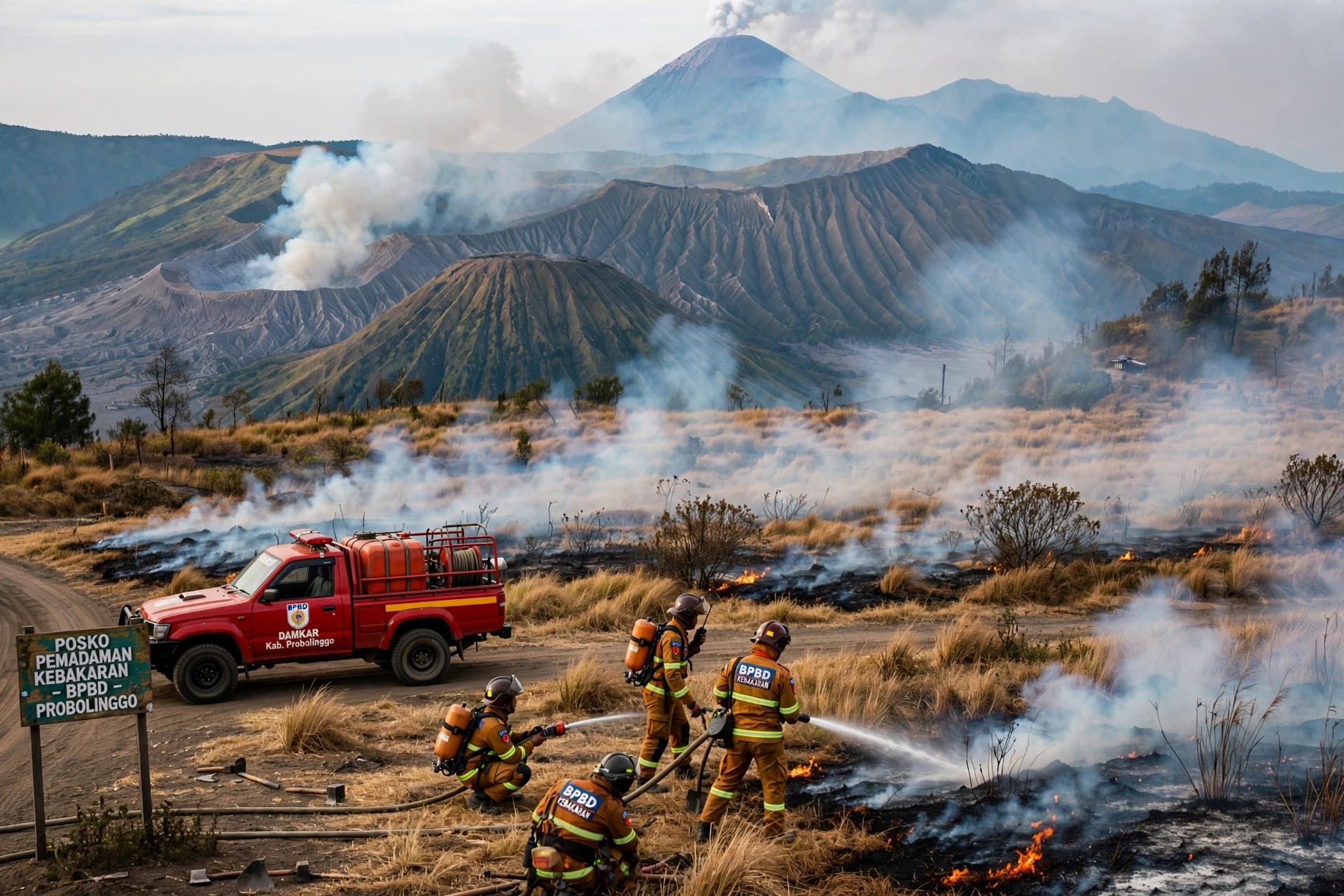
A wildfire at Mount Bromo National Park burned approximately 550 hectares before authorities brought the main blaze under control. New hotspots later emerged, prompting continued monitoring and firefighting efforts.
The fire led authorities to close access to the national park for tourism. The decision was intended to keep visitors away from areas affected by flames and smoke while firefighting operations continued.
Mount Bromo is one of Indonesia's best-known natural destinations. Its volcanic scenery, broad caldera and surrounding highlands have made the area an important tourism location as well as an environmentally significant landscape.
Fire in such terrain can spread across dry grass and vegetation, particularly when rainfall is limited. Indonesia is experiencing a more severe dry season this year, with weather authorities warning that El Niño conditions are increasing the risk of fires.
The national park's closure also demonstrates how environmental conditions can quickly affect local economic activity. Hotels, restaurants, guides, transportation providers and other businesses around tourist destinations depend heavily on regular visitor flows.
Firefighters have continued watching for remaining hotspots even after the main blaze was declared extinguished. That stage can be particularly important because areas that appear quiet on the surface may still contain heat beneath vegetation or soil.
The Bromo fire is also part of a wider pattern across Indonesia. Authorities have intensified efforts in six priority provinces as fires and haze spread during the country's extended dry season. Cloud-seeding aircraft have been deployed as officials attempt to encourage rainfall and reduce fire risks.
For communities around Mount Bromo, the changing landscape is visible in practical ways: access restrictions, firefighting activity and the temporary disappearance of tourists from roads that would normally carry them toward the mountain.
The environmental consequences will take longer to measure. Burned vegetation, affected habitats and changes to the landscape may remain visible long after the smoke disappears.
Authorities remain focused on monitoring new hotspots and preventing additional fires as dry conditions continue. The Mount Bromo incident, which affected about 550 hectares, has become another visible reminder of the pressure Indonesia's dry season is placing on vulnerable landscapes.
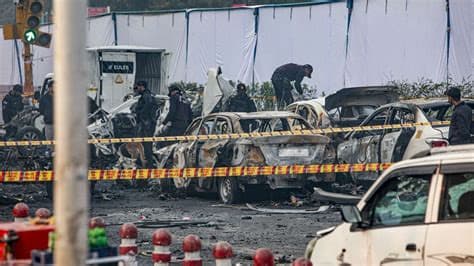
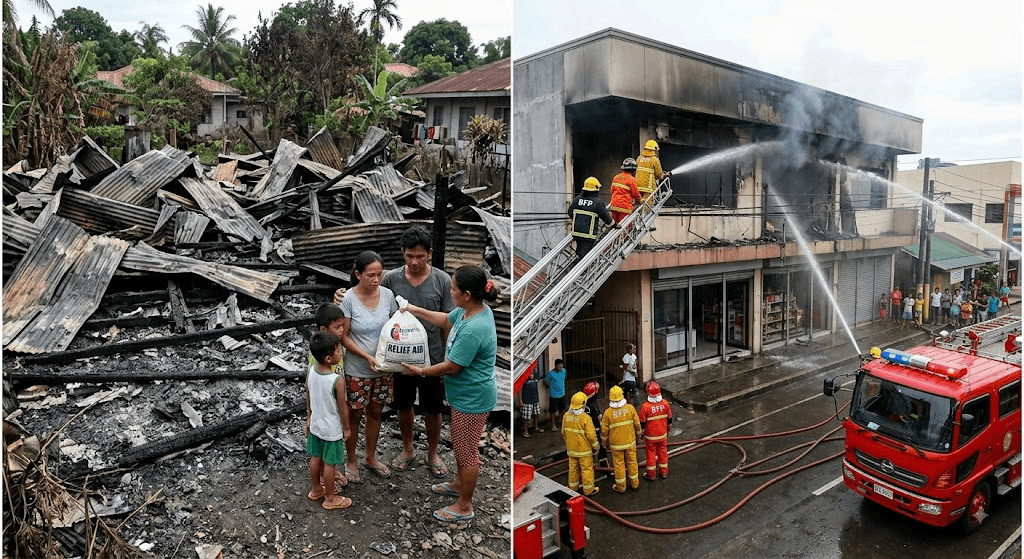
AI Image Disclaimer: These visuals were generated using AI as conceptual representations of the Mount Bromo wildfire and are not photographs of the actual incident.
Sources: Reuters Indonesia’s National Disaster Management Agency Ministry of Environment and Forestry
Note: This article was published on BanxChange.com and is powered by the BXE Token on the XRP Ledger. For the latest articles and news, please visit BanxChange.com