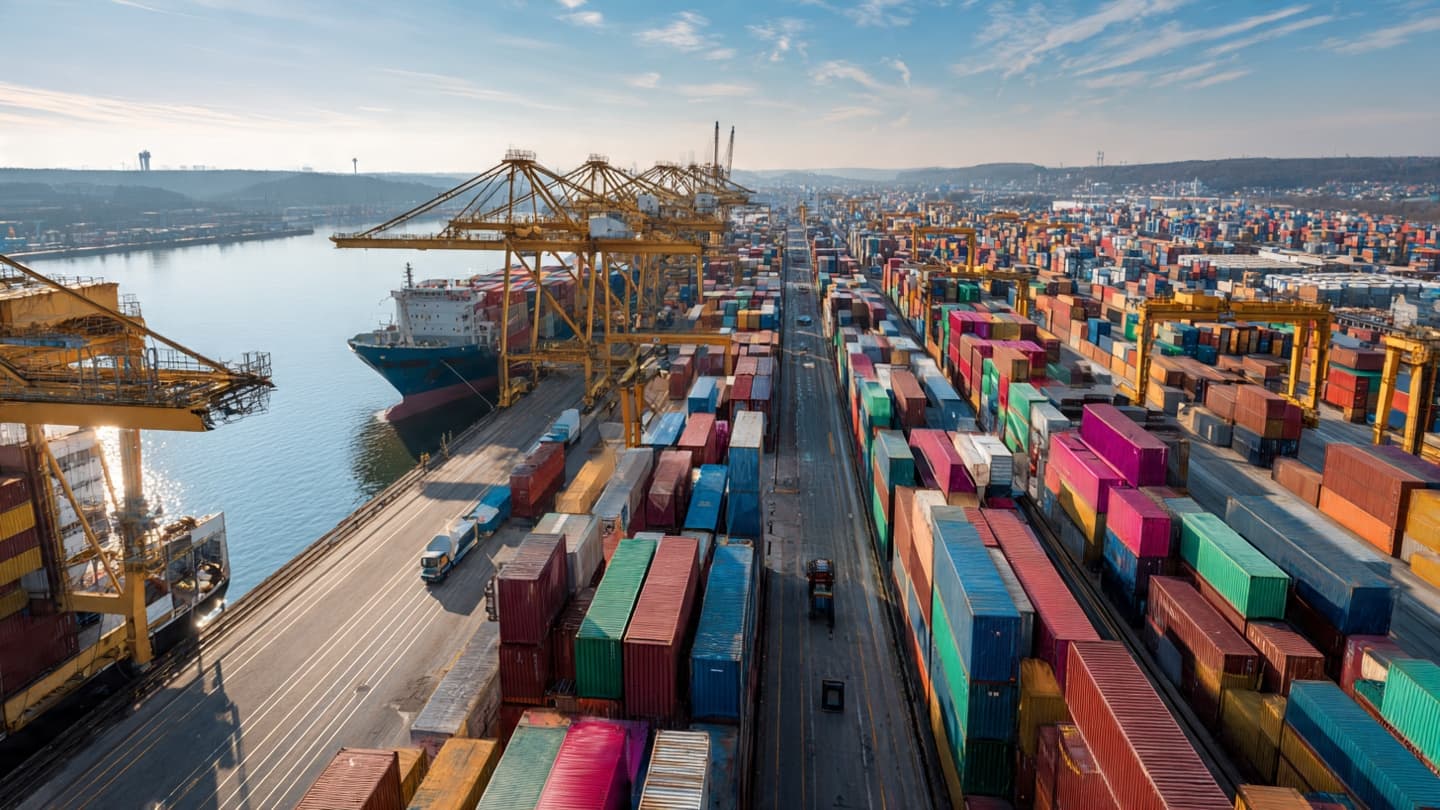
Global trade remains a powerful connection between American companies and markets around the world. Businesses continue adjusting to changes in transportation, supply networks, and consumer demand.
Companies are increasingly focused on creating flexible systems that can respond quickly to unexpected challenges. Supply chain planning has become a central part of corporate strategy.
International shipping networks remain essential for industries that depend on global resources and manufacturing partnerships. Efficient logistics continue to influence competitiveness.
American businesses are also exploring new partnerships and regional opportunities. Diversification has become a common approach for reducing operational risks.
Technology plays a growing role in managing trade activities. Digital tracking systems and data analysis help companies improve efficiency and visibility.
Small and large businesses are both affected by global market movements. Changes in transportation costs and demand patterns can influence everyday operations.
The future of trade will depend on cooperation, innovation, and the ability of companies to adapt. Businesses are preparing for an environment where flexibility is increasingly valuable.
As global commerce continues evolving, American companies remain focused on building stronger connections between markets and consumers.
AI IMAGE DISCLAIMER AI-generated visuals are used as conceptual representations and are not real-world photographs.
SOURCES Reuters Associated Press CNBC Bloomberg Financial Times
Published by Banx Network. This article is part of the Banx decentralized media programme, powered by the BXE token on the XRP Ledger.