
Key Highlights
- Global supply chains are undergoing significant transformations as businesses seek stability.
- Companies are diversifying production networks to mitigate disruptions.
- Technology is enhancing visibility and decision-making in supply chain management.
The global economy is witnessing a profound transformation in supply chains as businesses strive for greater stability and efficiency. The movement of goods has become a central focus for various industries, prompting companies to reassess their production networks and logistics strategies. This shift is driven by the need to reduce disruptions and ensure reliable supply systems, which are increasingly vital for maintaining seamless business operations.
In recent years, the importance of technology in supply chain management has surged. Digital tracking systems and advanced data analysis tools are now essential for companies looking to improve visibility and make informed decisions. These technological advancements allow businesses to monitor their supply chains in real-time, enabling quicker responses to potential disruptions and enhancing overall operational efficiency.
Manufacturers are actively exploring new partnerships and production locations as part of their strategy to diversify and manage uncertainty. This trend reflects a broader shift in the industry, where companies are no longer solely reliant on traditional supply routes. Instead, they are seeking to establish more resilient networks that can withstand global economic fluctuations and geopolitical tensions.
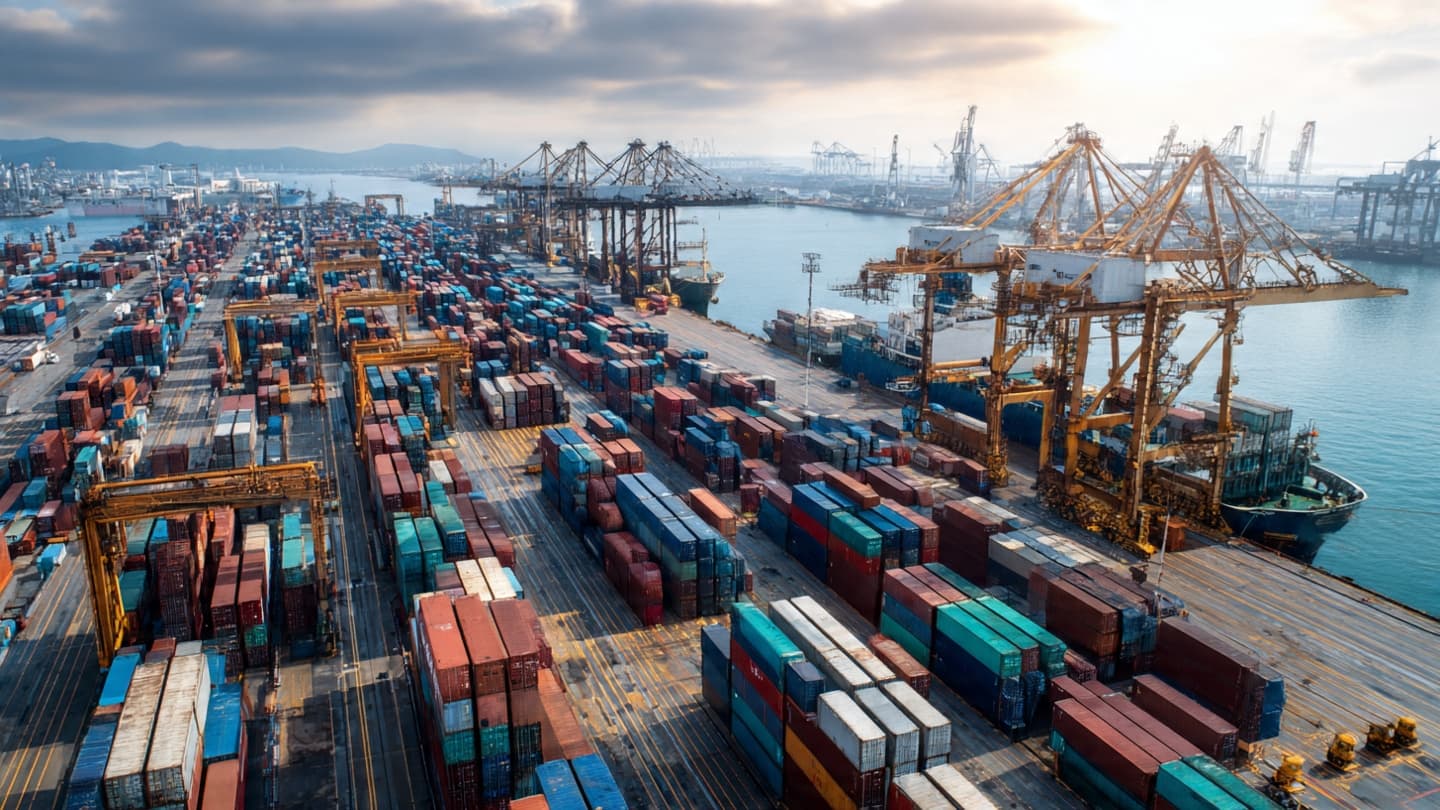
Transportation companies are also adapting to the evolving demands of the market. Efficient shipping networks remain crucial for connecting producers with consumers, and businesses are investing in logistics solutions that enhance their ability to deliver products swiftly and reliably. This adaptability is essential in a landscape where consumer expectations for speed and efficiency continue to rise.
As companies navigate these changes, they face the challenge of balancing cost control with the need for resilience. Strategic planning has become a cornerstone of corporate decision-making, with businesses increasingly recognizing that a robust supply chain is integral to their long-term success. This shift in mindset underscores the importance of proactive measures in mitigating risks associated with supply chain disruptions.
The evolution of global supply chains is impacting industries of all sizes, from large corporations to small businesses. As international commerce continues to change, companies will increasingly rely on innovation and flexibility to build stronger economic connections. The ability to adapt to new economic patterns will be crucial for businesses aiming to thrive in this dynamic environment.
In conclusion, the ongoing transformation of global supply chains reflects a broader trend towards resilience and adaptability in the face of uncertainty. As businesses continue to evolve, the focus on strategic partnerships, technological integration, and efficient logistics will shape the future of commerce.
Published by Banx Network. This article is part of the Banx decentralized media programme, powered by the BXE token on the XRP Ledger.



