
Key Highlights
- Economic Adaptation:Indonesian businesses are seeking new growth pathways.
- Investment Focus:Companies are targeting sectors with long-term potential.
- Digital Transformation:Online platforms are reshaping business operations.
Across Indonesia’s diverse economic landscape, businesses are actively searching for new pathways to growth. From bustling urban centers to developing regions, companies are adapting to a world increasingly shaped by technology, competition, and evolving consumer expectations. The need for innovation and flexibility is paramount as they navigate these changes.
The connection between domestic industries and international markets has become more critical than ever. Indonesian companies are exploring opportunities beyond traditional boundaries, enhancing their ability to compete on a global scale. This shift is not only about expanding reach but also about improving operational efficiencies and product offerings to meet international standards.
Investment remains a significant factor supporting business development in Indonesia. Companies are looking toward sectors that promise long-term potential, including manufacturing, technology, logistics, and services. The government has also been encouraging foreign investment, which plays a crucial role in bolstering the economy and creating jobs.
Digital transformation is profoundly influencing how businesses operate. Many companies are adopting online platforms, automated systems, and data-driven strategies to enhance efficiency and reach wider audiences. This shift is particularly beneficial for small and medium enterprises (SMEs), which are increasingly becoming vital players in the economy. Digital access allows these smaller businesses to connect with customers and markets that were previously difficult to reach, fostering inclusivity and growth.
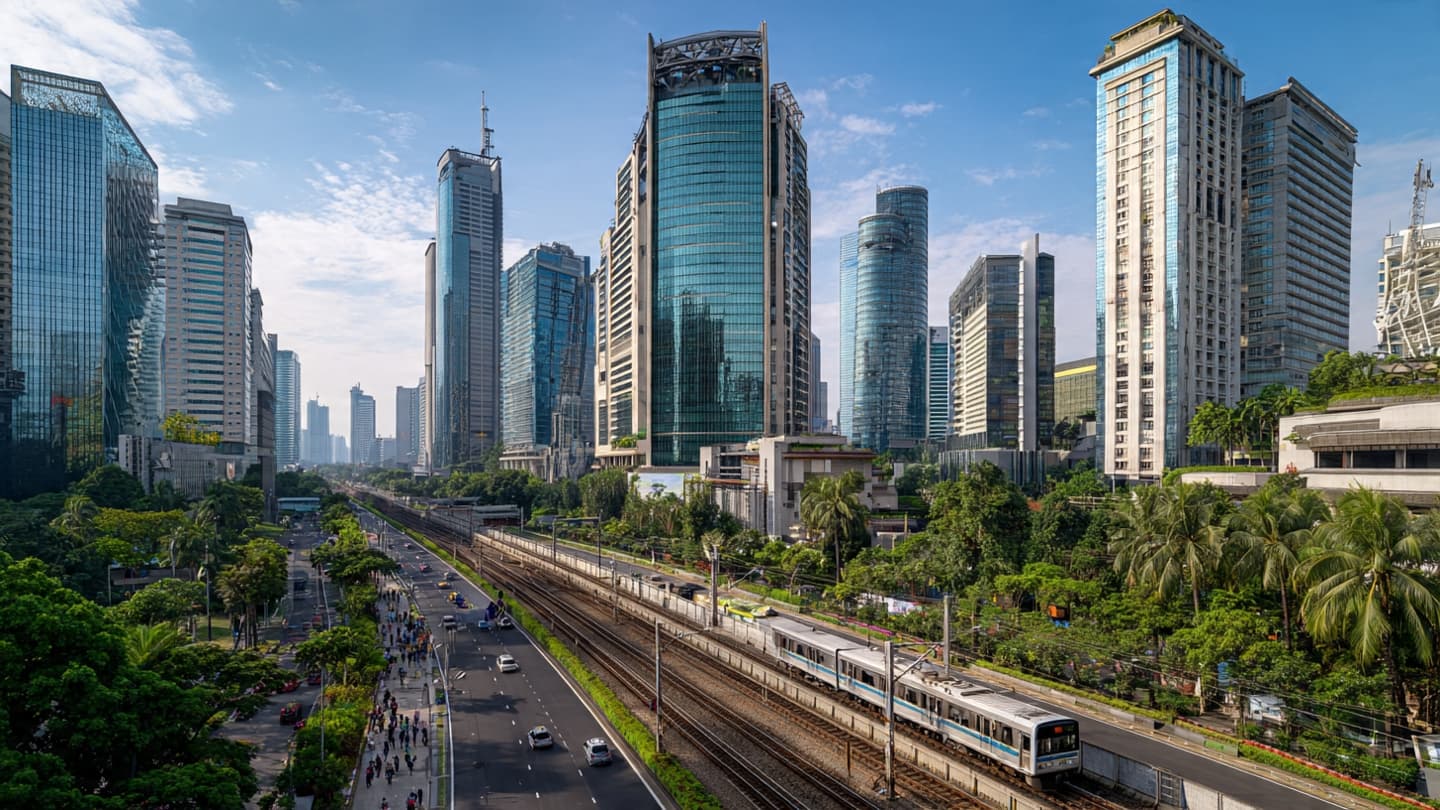
Infrastructure development is another key component supporting stronger economic connections across the country. Improved transportation and communication networks are essential for businesses to operate effectively across different regions. The government’s focus on infrastructure projects aims to facilitate smoother logistics and enhance connectivity, which is crucial for economic growth.
Despite these advancements, Indonesian companies continue to face challenges, including intense competition and changing global conditions. However, innovation and adaptability remain essential tools for navigating a more interconnected economy. As Indonesia moves forward, the future of its business landscape will depend on collaboration, technological advancements, and the ability of companies to respond to emerging opportunities in an evolving global marketplace.
The ongoing transformation in Indonesia's economy reflects a broader trend seen in many developing nations, where businesses are increasingly looking to leverage technology and innovation to thrive in a competitive environment. As these changes unfold, stakeholders across various sectors will need to remain vigilant and proactive in their strategies to ensure sustainable growth.
Published by Banx Network. This article is part of the Banx decentralized media programme, powered by the BXE token on the XRP Ledger.



