
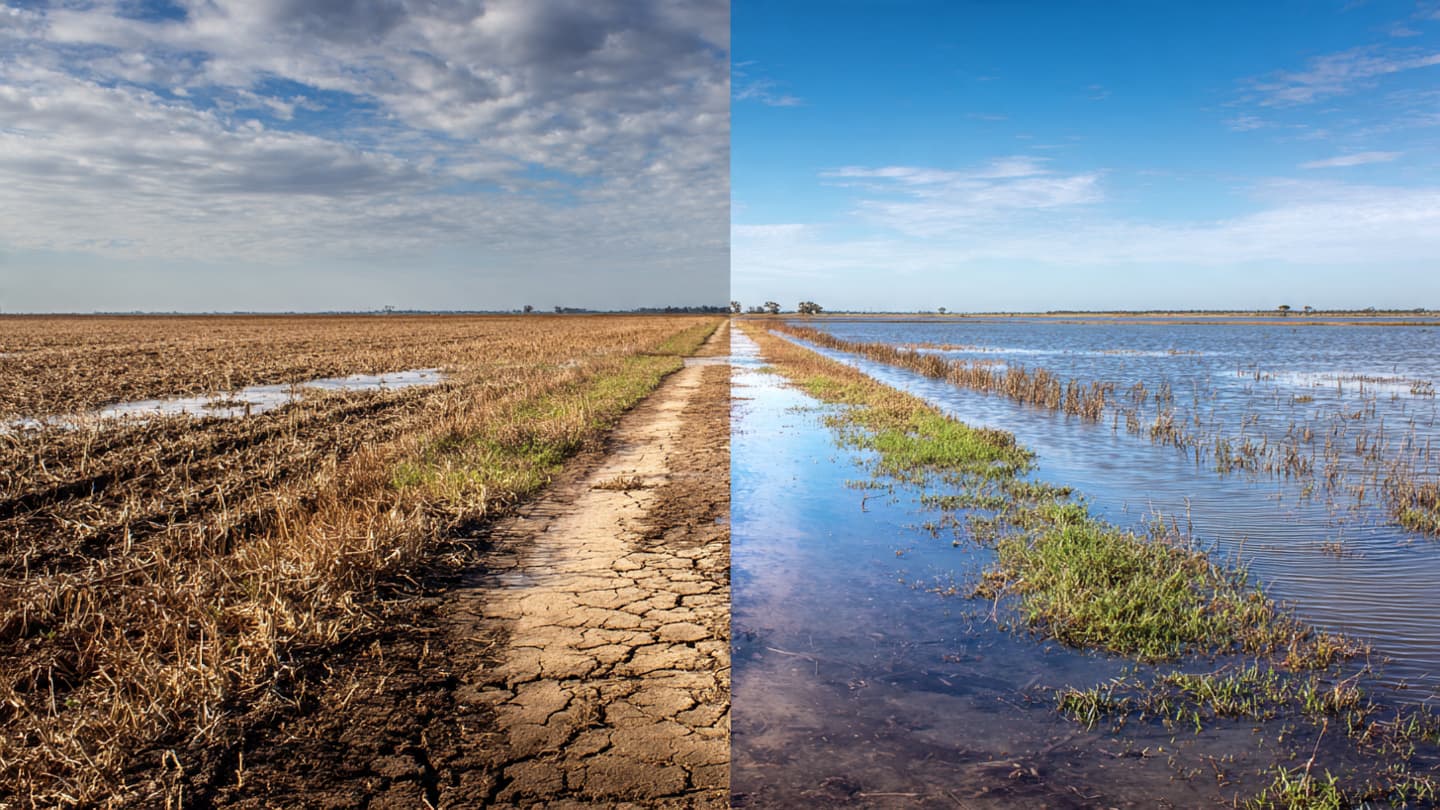
Climate patterns often move quietly across oceans, unseen by most people, yet their influence can ripple through farms, markets, and households around the world. Among these patterns, El Niño remains one of the most closely watched. Scientists are now warning that a potentially strong El Niño event could significantly affect agricultural production across Asia and the Americas.
Meteorological agencies and climate researchers have indicated that warming sea surface temperatures in the Pacific Ocean may contribute to the development of a stronger El Niño phase during the latter part of 2026. Such events have historically altered rainfall patterns across multiple continents.
In Asia, El Niño is frequently associated with drier conditions in several agricultural regions. Countries dependent on seasonal rainfall may face increased risks of drought, potentially affecting rice, corn, and other staple crops. Reduced rainfall can also place additional pressure on water resources used for irrigation.
Meanwhile, parts of North and South America often experience contrasting effects. Certain regions may receive above-average rainfall, raising concerns about flooding, soil erosion, and disruptions to planting and harvesting activities.
Agricultural economists note that weather-related disruptions can influence global food markets. Lower yields in key producing countries may affect commodity prices, trade flows, and food security, particularly in vulnerable regions.
Farmers, government agencies, and agricultural organizations are already preparing contingency measures. These include improved water management strategies, drought-resistant crop varieties, and enhanced climate monitoring systems.
Climate experts emphasize that El Niño is a naturally occurring phenomenon, although broader climate change trends may influence the severity and frequency of extreme weather events associated with it.
International organizations such as the Food and Agriculture Organization continue to encourage early preparedness efforts, arguing that timely adaptation measures can reduce economic losses and strengthen resilience among farming communities.
As scientists continue monitoring ocean conditions, many agricultural producers around the world will be watching the Pacific closely, aware that shifts in distant waters may shape the coming harvest season.
AI Image Disclaimer: Illustrations accompanying this article include AI-generated images intended to visualize climate and agricultural themes.
Sources: Reuters, World Meteorological Organization, NOAA, Food and Agriculture Organization (FAO)
Note: This article was published on BanxChange.com and is powered by the BXE Token on the XRP Ledger. For the latest articles and news, please visit BanxChange.com