
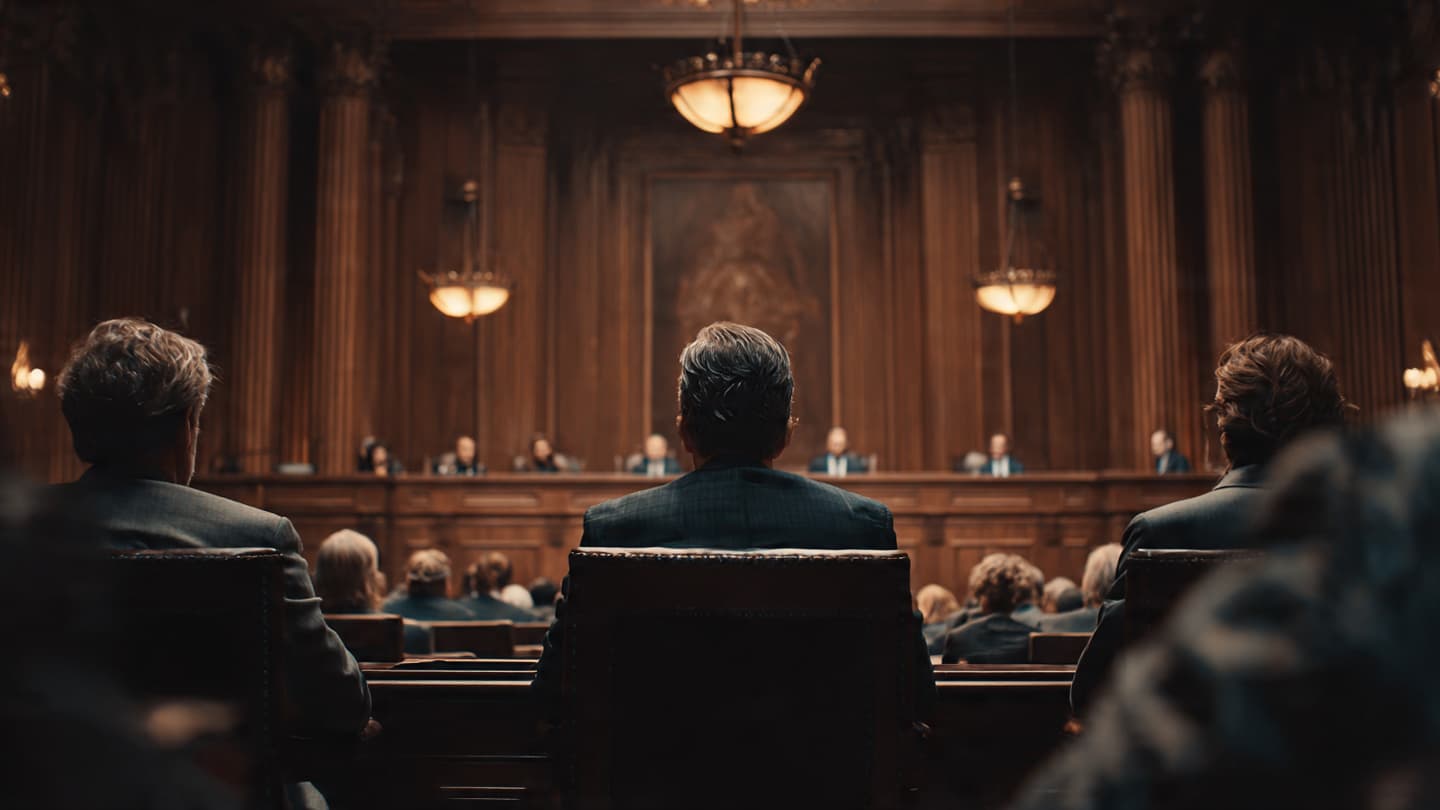
Rain drifted lightly across Canberra as lawyers and journalists moved through the calm geometry of government buildings, carrying folders filled with arguments about a world that rarely feels calm at all. Outside the courtroom, life continued in familiar rhythms — commuters checking phones on buses, students scrolling through timelines between classes, notifications flashing endlessly in pockets and palms. Yet inside, the debate centered on a question that has quietly reshaped modern societies: who bears responsibility for what flows through the vast, restless rivers of the internet?
After a legal battle stretching across nearly three years, an Australian federal judge ordered social media platform X to pay a fine of approximately $465,000 for breaching the country’s online safety rules. The case, brought by Australia’s eSafety Commissioner, focused on the company’s alleged failure to adequately respond to questions regarding its efforts to combat child exploitation material and harmful online content.
The dispute began before Twitter became X, during a period when governments around the world were intensifying pressure on major technology platforms over moderation practices and digital accountability. Australia’s eSafety office had requested detailed information from the company concerning how it detected and removed child abuse material from its service. Regulators argued that the company’s responses were incomplete or insufficient under Australian law, prompting a confrontation that eventually moved into federal court.
For years, the case unfolded against the broader transformation of the platform itself. Ownership changed hands. Staff reductions reshaped moderation teams. Policies evolved rapidly, often amid criticism from regulators, advertisers, and civil society groups concerned about harmful content online. What emerged in Australia was therefore more than a narrow procedural disagreement; it became part of a wider global struggle over whether national governments can effectively regulate platforms whose influence stretches across borders faster than laws can adapt.
The court ultimately sided with the eSafety Commissioner, concluding that X had failed to comply fully with legal obligations tied to transparency requests. The financial penalty, while relatively modest compared to the company’s global scale, carried symbolic significance. Australian officials described the decision as confirmation that technology companies remain subject to domestic laws regardless of their international reach.
X has previously argued that some regulatory demands impose excessive burdens on free expression and platform operations. Like other major social media companies, it has frequently found itself navigating competing pressures: governments demanding stricter moderation, users warning against censorship, advertisers seeking safer environments, and critics accusing platforms simultaneously of removing too much content and too little.
Australia has become one of the more assertive democracies in pursuing online safety regulation. In recent years, the country introduced laws targeting cyber abuse, violent extremist material, and exploitative online content, positioning the eSafety Commissioner as one of the world’s most closely watched digital regulators. The office has increasingly tested how far national authority can extend into global digital platforms that often operate beyond traditional jurisdictional boundaries.
Yet beneath the legal language lies a deeper cultural shift. Social media platforms were once framed primarily as spaces of openness and connection — borderless public squares shaped by innovation and speed. Over time, however, governments and citizens alike have become more aware of the harms that can circulate through those same systems: exploitation, harassment, misinformation, and content that spreads invisibly yet leaves lasting consequences.
The Australian ruling arrives during a broader international reckoning over the role of technology companies in public life. European regulators have introduced sweeping digital governance laws. Courts in the United States continue to weigh platform liability and speech protections. Countries across Asia, Africa, and Latin America are drafting new rules aimed at balancing innovation with accountability. Each effort reflects the same uneasy reality: societies increasingly depend on digital platforms while simultaneously struggling to govern them.
There is also something revealing about the pace of the case itself. Three years passed between the original regulatory challenge and the final court decision — an eternity in internet time. During that period, online discourse evolved repeatedly, algorithms changed, leadership shifted, and entire social media trends rose and disappeared. The law, deliberate by nature, moved more slowly than the technologies it sought to regulate.
And yet perhaps that slowness carries meaning of its own. Courtrooms are among the few places where societies attempt to pause the velocity of modern systems long enough to ask what responsibilities should endure beneath them. In Canberra, the ruling did not transform the internet overnight, nor did it resolve the larger tension between platform freedom and public oversight. But it marked another small moment in the gradual effort to define how digital power should answer to democratic institutions.
As evening settled over Australia’s capital, screens continued glowing in homes, offices, and train stations across the country. Posts refreshed endlessly. Videos autoplayed. Conversations scattered across timelines at the speed of light. Somewhere within that constant motion, however, another slower force remained at work — governments, courts, and citizens trying to decide how accountability survives in spaces designed never to stop moving.
AI Image Disclaimer: Visual representations in this article were generated using AI tools and do not depict real photographs of the events.
Sources:
Reuters Associated Press ABC News Australia The Guardian Australian Financial Review
Note: This article was published on BanxChange.com and is powered by the BXE Token on the XRP Ledger. For the latest articles and news, please visit BanxChange.com