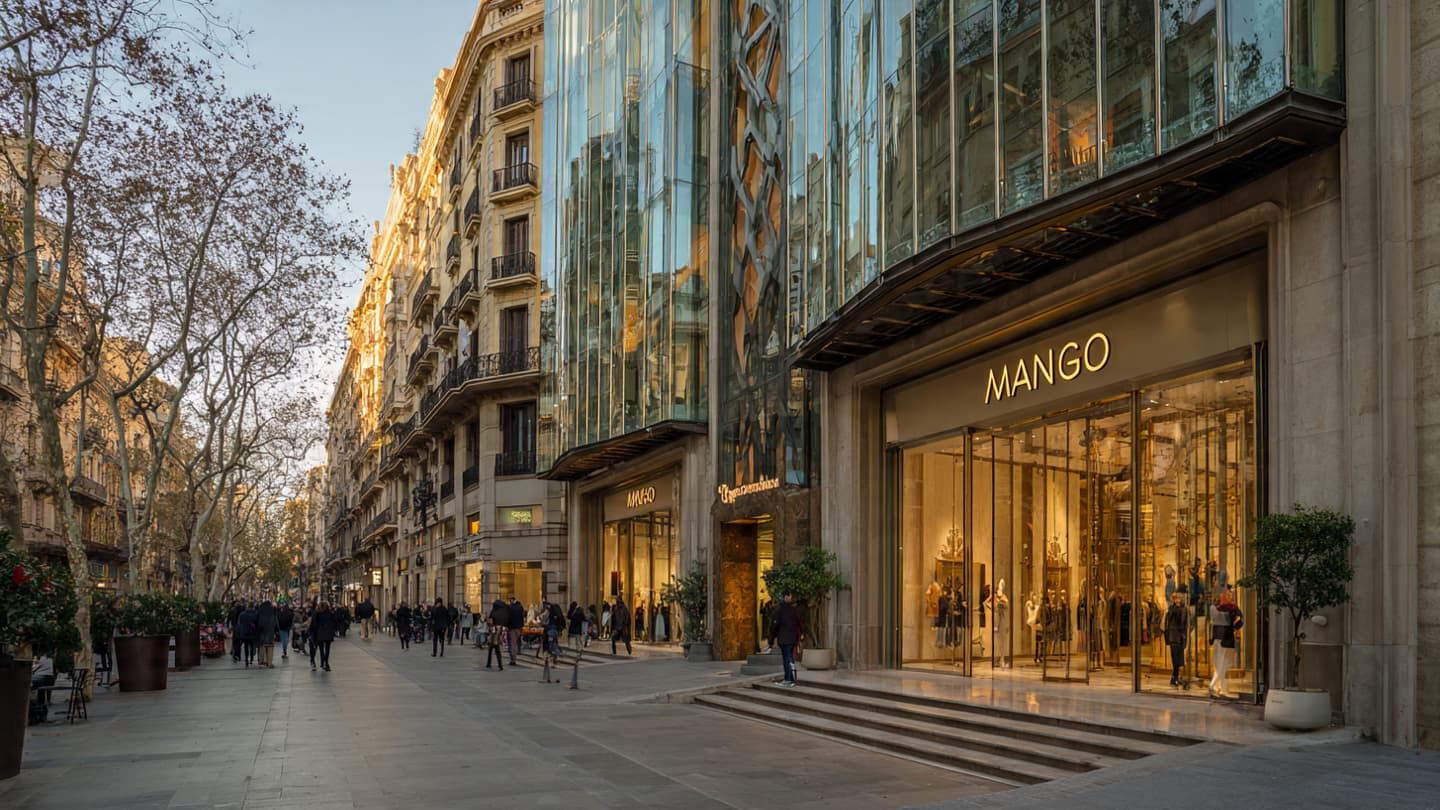
In Barcelona, mornings often arrive softly. Shopkeepers lift metal shutters while narrow streets gather the muted rhythm of footsteps, delivery vans, and early café conversations. Along elegant commercial avenues where fashion houses glow behind polished glass, the Mango brand became part of the city’s visual identity over decades — a symbol of Mediterranean ambition stitched into the fabric of global retail.
Now, that familiar name has drifted into a far darker and more intimate public conversation.
Jonathan Andic, son of Mango founder Isak Andic, has denied allegations that he killed his father, according to reports emerging from Spanish legal proceedings surrounding the elder businessman’s death. The case has drawn intense attention in Spain, not only because of the prominence of the Andic family, but because it has transformed a private tragedy into a national spectacle unfolding beneath the gaze of media and public curiosity.
Isak Andic, who built Mango from a local clothing venture into one of Europe’s most recognizable fashion chains, spent decades shaping a retail empire associated with minimalist storefronts, international expansion, and the steady globalization of fast fashion. From Barcelona, the company expanded across continents, becoming intertwined with the rhythms of shopping districts from Madrid to Istanbul, Dubai, and beyond.
The allegations surrounding his death therefore carry a peculiar emotional dissonance. Behind the sleek public image of a multinational brand lies a family now navigating grief, investigation, and legal scrutiny simultaneously. Courtrooms and headlines have replaced balance sheets and fashion campaigns, while speculation continues to move faster than confirmed details.
Jonathan Andic has firmly denied responsibility, while Spanish authorities continue examining the circumstances surrounding the case. As with many high-profile investigations involving influential families, the proceedings have unfolded under intense public observation, where fragments of testimony, legal filings, and rumor often merge into an atmosphere heavier than the verified facts themselves.
In Spain, the story has resonated beyond celebrity fascination because Mango itself occupies a recognizable cultural place. For decades, the company reflected a certain vision of modern European commerce — cosmopolitan, mobile, carefully curated. Its founder’s success mirrored Barcelona’s own transformation into a global business and tourism center after the late twentieth century.
Yet wealth and visibility rarely shield families from the private fractures that can emerge behind closed doors. Public attention often magnifies grief into something almost theatrical, turning deeply personal moments into national discussion. The emotional burden of accusation becomes inseparable from the mechanics of legal process.
Outside court buildings, photographers wait beneath changing weather. Headlines circulate quickly across financial newspapers and celebrity media alike. Inside the legal system, however, the pace remains slower and procedural, shaped by testimony, evidence, and the careful structure of Spanish criminal law.
For many observers, the case also reflects a broader cultural fascination with dynastic families — the tension between carefully managed public images and the unpredictable realities of private relationships. Family-owned business empires often project continuity and stability, yet succession, inheritance, and personal conflict can expose vulnerabilities hidden beneath corporate success.
Meanwhile, Mango stores continue operating with ordinary precision. Seasonal collections are displayed beneath soft lighting. Customers move through fitting rooms unaware, perhaps only momentarily reminded by headlines, that global companies are ultimately built upon human lives vulnerable to the same grief and turmoil as anyone else.
Barcelona itself remains suspended between those parallel realities: commerce and mourning, glamour and investigation. Along Passeig de Gràcia and other fashionable boulevards, luxury storefronts reflect afternoon sunlight while legal reporters gather elsewhere for updates about a family whose name became inseparable from modern Spanish retail.
The investigation continues, and courts will ultimately determine the legal truth surrounding Isak Andic’s death. But already the story has revealed something quieter beneath its public drama — how quickly even the most polished legacies can become overshadowed by uncertainty when private sorrow enters the public square.
And so, beneath the winter light of Catalonia, the Andic name now moves through a different season entirely: one shaped not by expansion or fashion, but by silence, accusation, and the long, deliberate pace of justice.
AI Image Disclaimer: These visuals were produced using AI-generated imagery and serve as artistic representations rather than authentic photographs.
Sources:
Reuters El País Associated Press Bloomberg La Vanguardia
Published by Banx Network. This article is part of the Banx decentralized media programme, powered by the BXE token on the XRP Ledger.


.jpg&w=3840&q=75 "Intelligence Agencies Suspect Russia Is Developing Anti-Satellite Weapon to Target Starlink")