
In Jerusalem, evening light settles slowly across limestone walls and narrow streets polished by centuries of footsteps. The city carries many kinds of silence — religious silence, political silence, the silence that follows long arguments repeated across generations. Yet beneath those quiet surfaces, decisions made in government offices and courtrooms often travel far beyond the hills surrounding the city, reaching into international institutions where diplomacy and law move with colder, steadier rhythms.
This week, those distant currents converged again after Israeli Finance Minister Bezalel Smotrich said he believes the International Criminal Court is seeking his arrest in connection with ongoing investigations related to the war in Gaza and Israeli settlement policy. Smotrich, one of the most influential far-right figures in Prime Minister Benjamin Netanyahu’s coalition government, made the remarks amid growing international legal pressure surrounding the conflict and its humanitarian consequences.
The ICC has not publicly confirmed any specific warrant involving Smotrich. However, court prosecutors have continued examining allegations tied to military conduct, civilian displacement, and settlement expansion in the Palestinian territories. Israeli officials have repeatedly rejected the court’s jurisdiction, arguing that Israel possesses an independent judicial system capable of investigating its own actions and that the ICC lacks authority over the matter.
Still, the possibility of additional arrest warrants has intensified political tensions inside Israel at a moment already marked by war, diplomatic strain, and deep internal division.
Smotrich has become one of the most controversial voices within the current Israeli government, known for hardline positions on settlements, Palestinian statehood, and the future of the occupied West Bank. Supporters view him as a defender of Israeli security and religious-nationalist identity; critics, both inside and outside Israel, accuse him of inflaming tensions and undermining prospects for diplomacy. His prominence has grown significantly during the Gaza conflict, particularly as debates surrounding military operations and civilian conditions have drawn increasing international scrutiny.
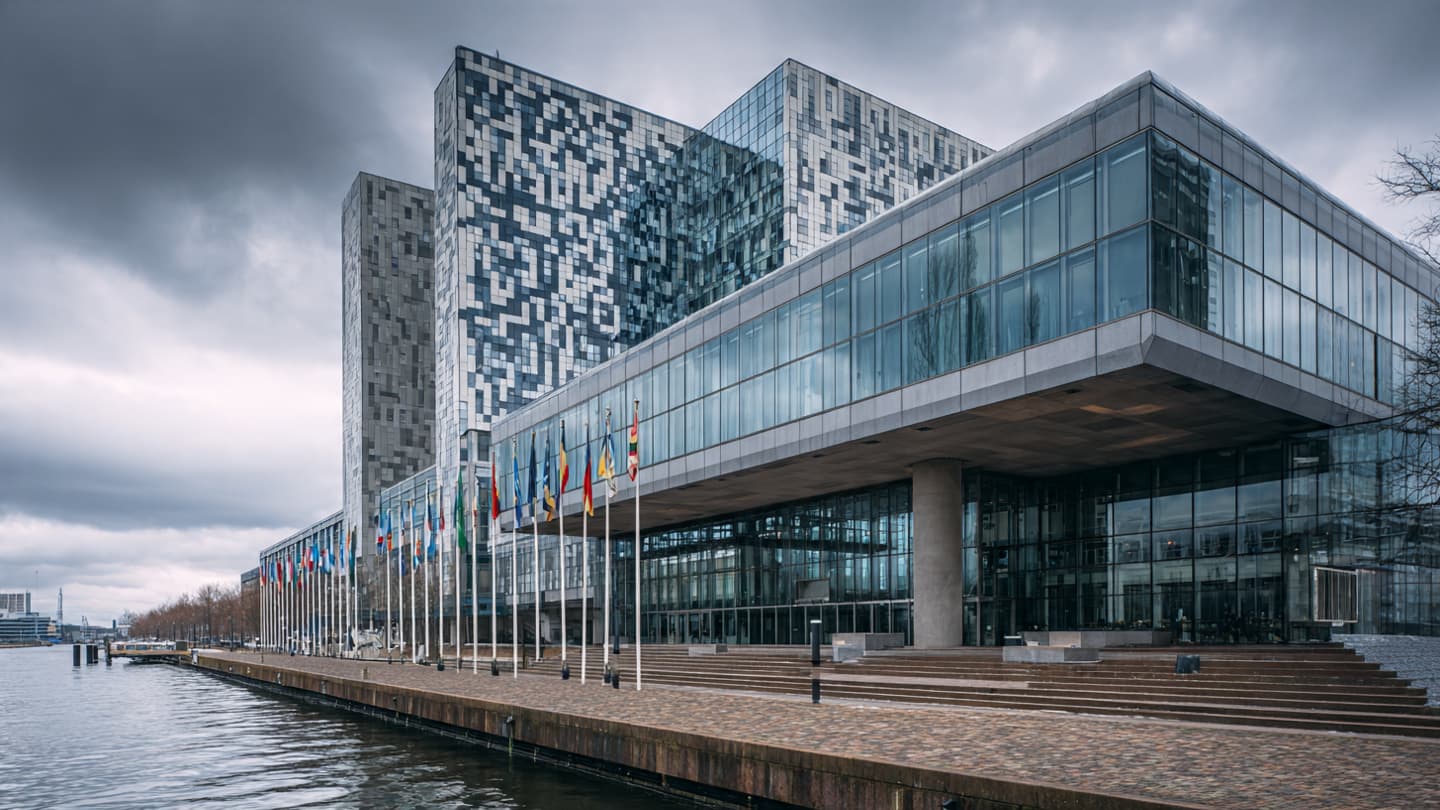
The International Criminal Court, headquartered in The Hague, operates far from the landscapes now dominating global headlines. Its proceedings unfold in measured legal language, inside modern chambers lined with translators, prosecutors, and stacks of evidence gathered over years. Yet the court’s symbolic power often lies precisely in that distance — the idea that international law can reach across borders, even into conflicts shaped by competing histories and unresolved sovereignty disputes.
For Israel, relations with international legal institutions have long been fraught. Israeli governments across the political spectrum have argued that external tribunals frequently misunderstand the country’s security realities, particularly in conflicts involving Hamas and other armed groups operating from densely populated civilian areas. Officials also point to the trauma of repeated attacks against Israeli civilians and the complexity of urban warfare in Gaza.
At the same time, international humanitarian organizations and several governments have called for greater accountability regarding civilian casualties, displacement, and restrictions affecting Palestinians during the war. The conflict has generated mounting diplomatic pressure across Europe, Latin America, and parts of the Global South, where public demonstrations and political debates increasingly frame Gaza as a defining humanitarian crisis of the current era.
The ICC itself occupies an uneasy place within global politics. Some nations embrace the court as a necessary mechanism for accountability when domestic systems fail. Others view it skeptically, arguing that international prosecutions can become entangled in geopolitical imbalance and selective enforcement. Powerful countries, including the United States, Russia, and China, maintain complex or adversarial relationships with the institution despite occasionally supporting its broader principles.
In Israel, discussions surrounding potential ICC action carry both legal and emotional resonance. The country’s national identity remains deeply shaped by historical experiences of vulnerability, exile, and international judgment. Many Israelis view external legal scrutiny through that historical lens, seeing criticism not merely as policy disagreement but as part of a broader pattern of isolation directed toward the Jewish state.
Yet alongside those sentiments, there are also Israelis who argue that democratic societies must remain open to international legal standards, particularly during prolonged conflict. The debate reflects deeper questions about accountability, sovereignty, and how modern wars are judged in a world where evidence, images, and testimony circulate instantly across borders.
Meanwhile, life in Jerusalem continues with its familiar contrasts. Markets remain crowded before sunset. Government convoys move through narrow streets beneath layers of security. Church bells, calls to prayer, and evening traffic overlap in the cooling air. Beyond the city, the war’s consequences continue unfolding across Gaza’s devastated neighborhoods and Israel’s tense political landscape alike.
For now, no formal public warrant involving Smotrich has been announced by the ICC. Israeli officials continue rejecting the court’s authority, while international legal discussions proceed largely behind closed doors. But even the possibility of such action reflects how profoundly the conflict has expanded beyond the battlefield itself — into diplomacy, law, and the contested language of global legitimacy.
And so, from Jerusalem to The Hague, another chapter unfolds not through tanks or rockets, but through documents, accusations, and the slow machinery of international justice moving quietly beneath the noise of war.
AI Image Disclaimer: These illustrations were produced using AI-generated imagery and are intended as visual interpretations of the events discussed.
Sources:
Reuters Associated Press The Times of Israel BBC News International Criminal Court
Note: This article was published on BanxChange.com and is powered by the BXE Token on the XRP Ledger. For the latest articles and news, please visit BanxChange.com