In places shaped by conflict, time often moves differently. Days stretch beneath the sound of distant aircraft, while seasons pass without the familiar markers of ordinary life. In Gaza, where generations have grown up between ceasefires and renewed violence, childhood itself has become intertwined with uncertainty. A playground, a classroom, a family meal—simple rhythms elsewhere—can feel fragile when history presses heavily on the present.
This week, that reality returned to international attention through the publication of a new report by the United Nations Independent International Commission of Inquiry on the Occupied Palestinian Territory, including East Jerusalem, and Israel. The inquiry concluded that Israeli authorities and security forces have continued to commit genocide in Gaza through actions that deliberately targeted Palestinian children, while also documenting crimes against humanity and war crimes. Israel rejected the findings, describing the report as biased and unfounded.
The report arrives after years of devastation that have transformed Gaza’s physical and social landscape. Streets once filled with daily commerce have become corridors of displacement. Schools and hospitals have struggled to function amid repeated bombardment, shortages, and the collapse of basic infrastructure. For many families, survival has become a day-to-day calculation rather than a distant aspiration.
At the center of the inquiry lies a focus on children. Investigators examined the period beginning with the October 2023 war and found that children accounted for roughly 30 percent of those killed in Gaza. According to the commission, more than 20,000 Palestinian children were killed between the start of the conflict and late 2025, with many more injured or psychologically affected by the violence. The inquiry argued that the scale and nature of these deaths were not incidental consequences of warfare but part of a broader pattern demonstrating genocidal intent.
The commission's reasoning extended beyond casualty figures. It pointed to the repeated use of heavy munitions in densely populated civilian areas, the destruction of healthcare and educational systems, and the humanitarian consequences of prolonged restrictions on aid and essential supplies. Investigators concluded that these conditions collectively inflicted severe physical and psychological harm on children and undermined the future continuity of Palestinian society.
Children occupy a particular place in the imagination of every community. They carry language forward, inherit traditions, and embody possibilities not yet realized. When conflict reaches them, the consequences ripple outward through families and generations. The commission emphasized this dimension, arguing that harm directed toward children strikes not only individuals but also the future existence of a people.
The findings also extended beyond Gaza itself. In the occupied West Bank, investigators documented allegations of abuse, torture, and violence against Palestinian children in detention, as well as increasing insecurity associated with settler violence. The report painted a wider picture of vulnerability among Palestinian youth across the territories.
Israel firmly rejected the conclusions, maintaining that the inquiry ignores the broader context of the conflict and the actions of Hamas. Israeli officials described the report as defamatory and politically motivated. The dispute reflects a broader international divide that has accompanied nearly every major assessment of the war, with governments, legal experts, and human rights organizations often reaching sharply different interpretations of events on the ground.
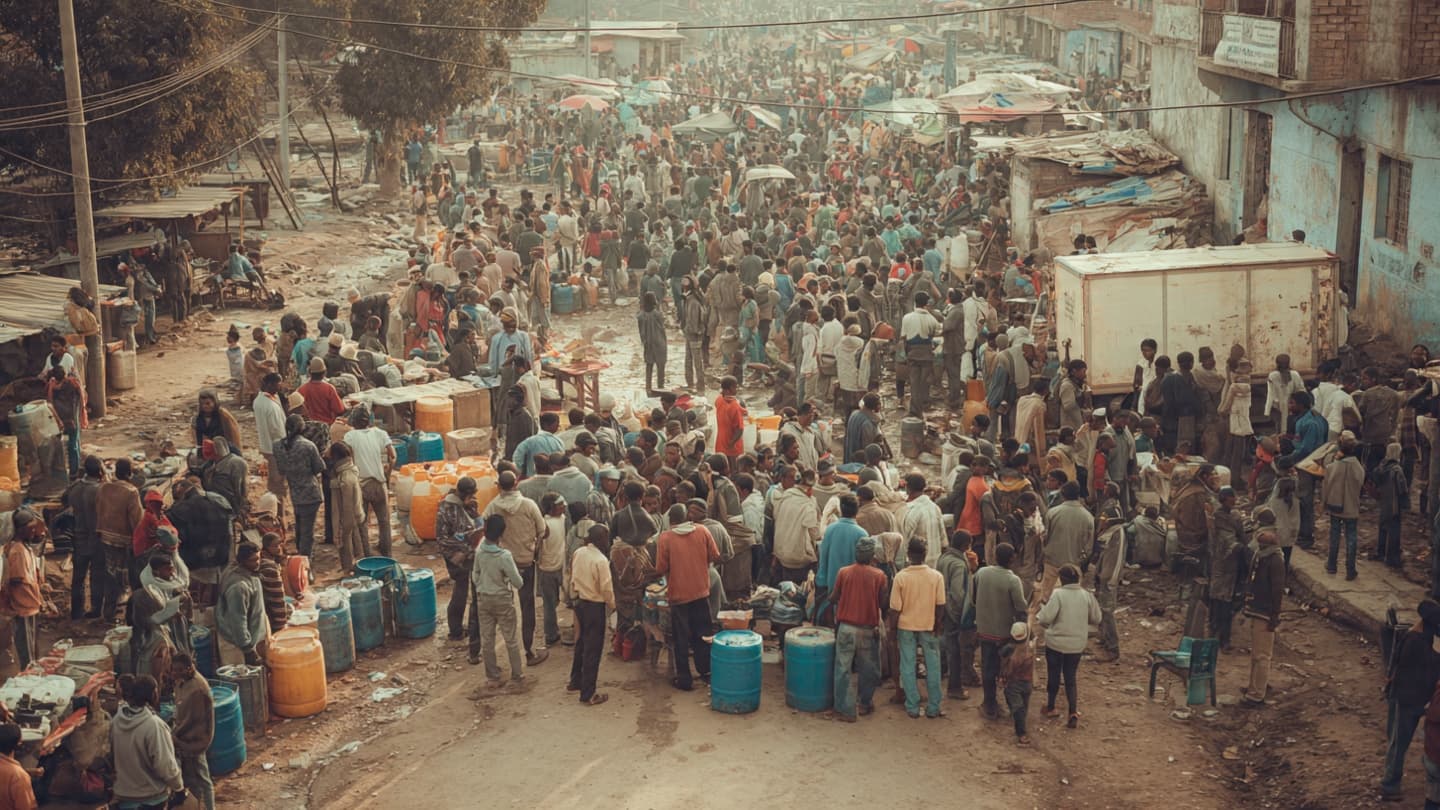
Meanwhile, the war’s human landscape remains visible in smaller, quieter images: children waiting for water, families sheltering in temporary tents, parents searching for medicine, and classrooms that exist only in memory. These scenes rarely appear in legal documents, yet they form the backdrop against which international inquiries attempt to measure responsibility and accountability.
The commission’s report does not represent a final legal judgment. It is an investigative finding that will continue to be debated, challenged, and examined in international forums. Yet its conclusions add another chapter to an expanding body of reports, court proceedings, and diplomatic discussions surrounding the conflict.
As the inquiry moves into the realm of international law and diplomacy, Gaza itself remains suspended between survival and uncertainty. Beyond statistics and legal terminology are thousands of children whose lives have been shaped by war before they had the chance to shape their own futures. The report places them at the center of the story, asking the world to consider not only what has happened, but what may be lost when a generation grows up beneath the shadow of conflict.
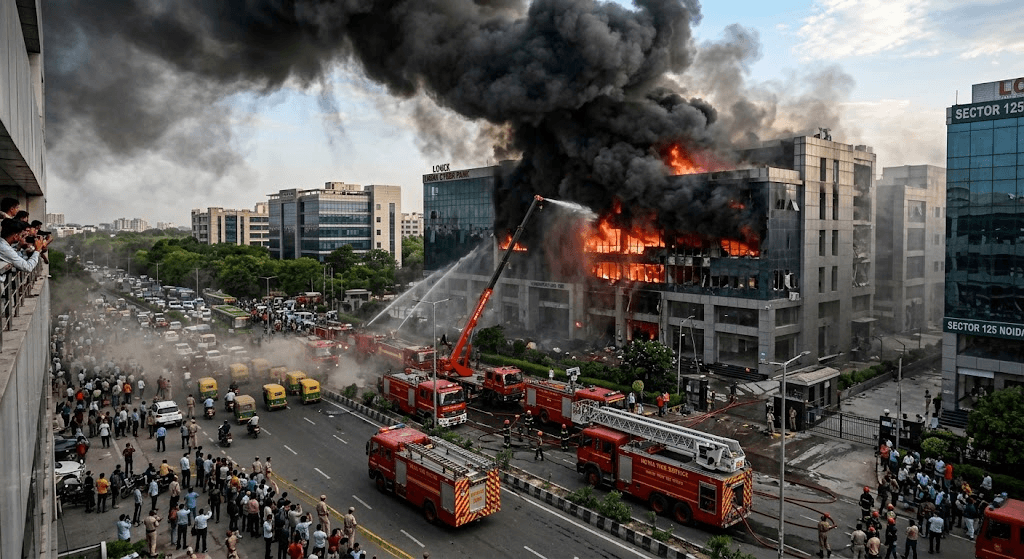
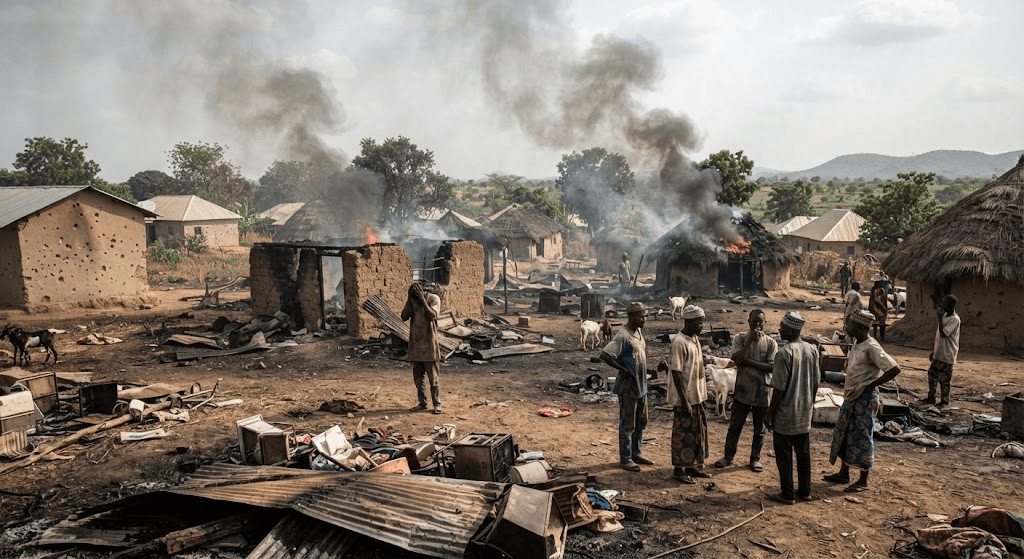
AI Image Disclaimer Illustrations were generated using AI and are intended as visual interpretations rather than authentic photographs.
Sources United Nations Independent International Commission of Inquiry Reuters The Guardian United Nations Human Rights Council UNICEF
Published by Banx Network. This article is part of the Banx decentralized media programme, powered by the BXE token on the XRP Ledger.