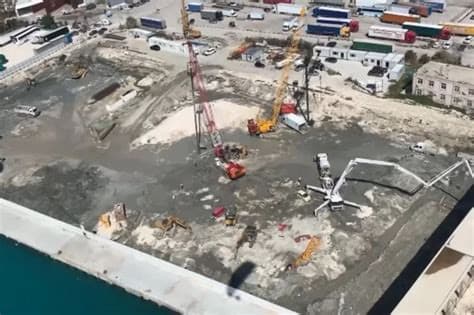
In May 2026, the construction of a new port in Porto Romano, Albania, has come to a standstill amid mounting accusations related to corruption, financial mismanagement, and alleged connections with organized crime. The tender for the port's construction was canceled for the third time when the sole remaining contractor withdrew their financial proposal, citing rising global costs.
The port project, which has potential implications for Albania's logistics and trade, was expected to be a major step toward enhancing the country's economic infrastructure. However, the controversy surrounding it has raised concerns among local and international stakeholders. The Albanian government has faced criticism from the American Chamber of Commerce (AmCham), which called for a postponement of the tender and the reevaluation of the project design to ensure it meets competitive standards.
Infrastructure Minister Enea Karakaçi has publicly stated that the government seeks to create an alternative plan for moving forward but acknowledges the significant setback. The project has seen financial expenditures totaling around €25 million prior to any construction activity, including costs for designing and expropriating land in the planned port area.
Investigations from the Special Anti-Corruption and Organized Crime Structure (SPAK) into the tender process have added another layer of complexity. The ongoing scrutiny emphasizes the intertwining of political and criminal interests in Albania, further complicating the legitimacy of the port development plan.
Prime Minister Edi Rama referenced ongoing attempts to sabotage the project, attributing some of the delays and complications to external disruption. Meanwhile, an internal dynamic of discontent is brewing, with various political factions criticizing the government’s management of public infrastructure projects.
As Albania looks to capitalize on its strategic position along the Pan-European Transport Corridor, the delay in the Porto Romano port construction underscores significant challenges. The government faces an uphill battle to restore investor and public confidence while navigating the convoluted landscape of domestic politics and external pressures. The future of the project remains uncertain, with the potential for broader implications for Albania’s economic growth and regional trade relations.
Published by Banx Network. This article is part of the Banx decentralized media programme, powered by the BXE token on the XRP Ledger.