
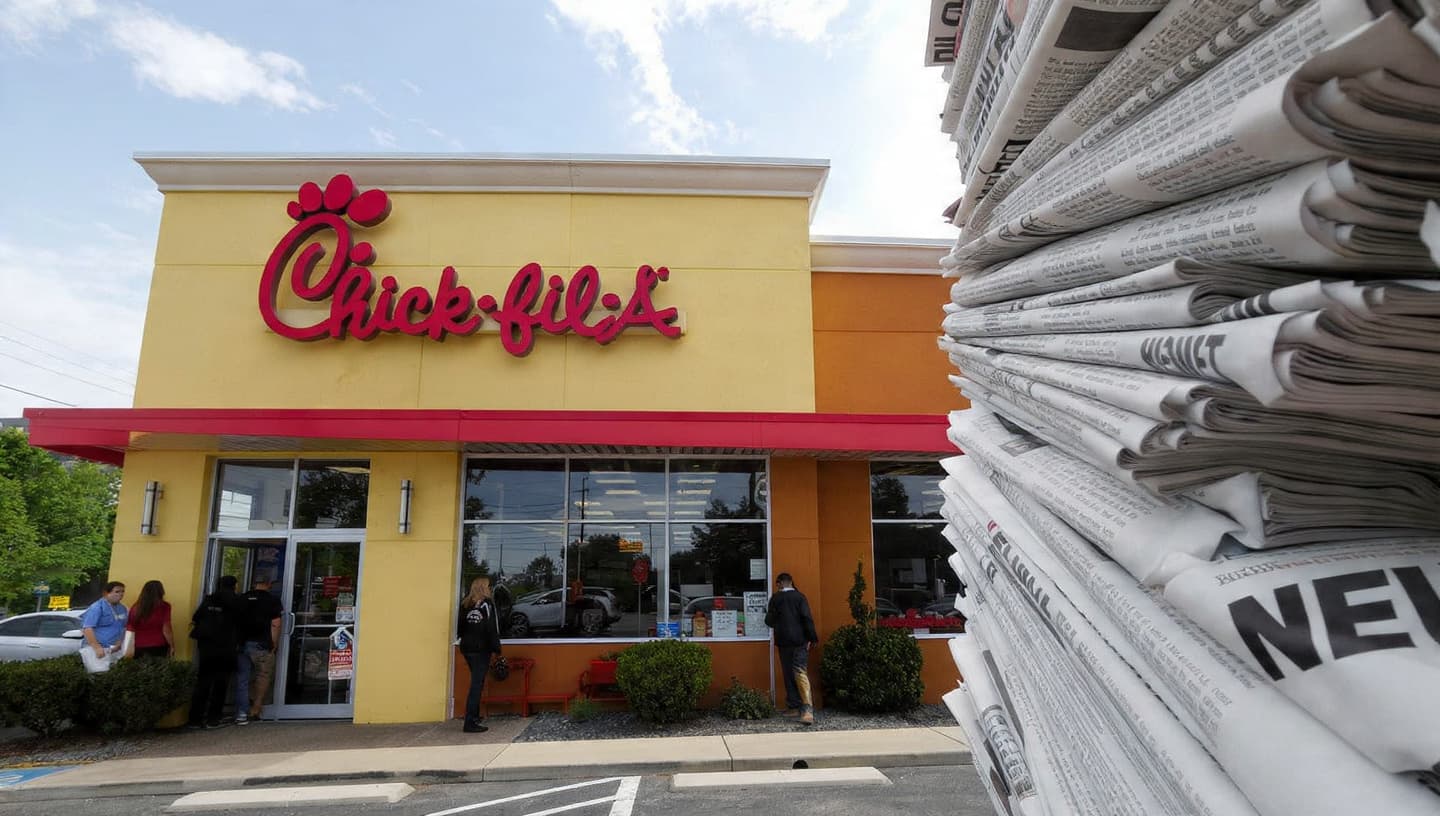
Restaurants often appear far removed from the center of national legal debates. Yet in the United States, workplaces connected to customer service and franchise operations increasingly find themselves involved in broader conversations surrounding religion, labor rights, and federal protections. A recent lawsuit involving a Chick-fil-A franchisee has become part of that ongoing national discussion.
According to reports, the U.S. government filed legal action alleging religious discrimination connected to employment practices at a Chick-fil-A franchise location. Federal officials claim workers experienced unfavorable treatment linked to religious beliefs or workplace accommodation concerns.
The case arrives as religious freedom and employment law remain deeply debated across American society. Federal anti-discrimination protections prohibit employers from treating workers unfairly because of religion while also requiring reasonable accommodation for certain practices unless doing so creates significant hardship.
Chick-fil-A itself has long occupied a distinctive cultural position within the United States. The company is widely recognized not only for its business success, but also for the openly Christian identity associated with its corporate leadership and operating philosophy.
Legal experts note that franchise structures can complicate public understanding of responsibility. Individual franchise owners often manage hiring and workplace decisions independently, even while operating under nationally recognized corporate branding.
Employment disputes involving religion have increased visibility in recent years as workplaces become more culturally and politically diverse. Questions surrounding prayer practices, scheduling accommodations, dress codes, and personal expression continue appearing in courts and regulatory agencies across the country.
Supporters of strong workplace protections argue that employees should never feel pressured or disadvantaged because of personal faith or non-faith identities. Others emphasize the importance of protecting religious expression for employers and workers alike within constitutional and legal boundaries.
The lawsuit may ultimately depend on factual details presented through court proceedings, including witness testimony, company records, and workplace communication. As with many employment-related cases, legal outcomes often hinge on whether actions violated established federal standards.
Beyond the courtroom, the dispute reflects a broader American challenge: balancing religious liberty, workplace fairness, and corporate identity within an increasingly diverse society where legal and cultural expectations continue evolving simultaneously.
AI Image Disclaimer: Some images accompanying this article may be AI-generated editorial representations for illustrative purposes.
Sources Verified: Reuters, Associated Press, NBC News, CNN, The New York Times
Note: This article was published on BanxChange.com and is powered by the BXE Token on the XRP Ledger. For the latest articles and news, please visit BanxChange.com