
Museums often serve as bridges between generations, carrying stories from the past into conversations about the present. Through artifacts, documents, and personal accounts, they preserve experiences that might otherwise fade with time. In the United States, the future of a historic slavery-related exhibit has become the subject of public debate and policy discussion.
The exhibit, which focuses on the history and legacy of slavery, has reportedly become a target of actions linked to broader cultural and administrative priorities associated with the Trump administration. Questions now surround whether the exhibition will continue in its current form.
Supporters argue that preserving historical exhibits is essential for public education and historical understanding. They contend that museums provide opportunities for visitors to engage with difficult chapters of history through evidence, scholarship, and personal narratives.
Critics of certain museum programs have sometimes argued that exhibitions should be reviewed to ensure balance, accuracy, and alignment with institutional goals. Such debates are not new and have accompanied many discussions about public history and cultural representation.
Historians note that slavery remains one of the most consequential subjects in American history. Exhibits addressing the topic often examine economic systems, social structures, resistance movements, and the experiences of enslaved individuals and their descendants.
Museum professionals frequently emphasize the importance of preserving historical records and presenting them within carefully researched contexts. They argue that exhibitions play a role in fostering informed public discussion.
The debate has attracted attention from scholars, advocacy groups, and policymakers. Many view the discussion as part of a broader national conversation regarding how history should be interpreted and presented in public institutions.
Questions about funding, administration, and exhibition priorities continue to shape the future of cultural programs across the country. Decisions regarding individual exhibits can carry significance beyond a single museum.
For now, the future of the slavery exhibit remains uncertain, with stakeholders awaiting further decisions that could determine how this chapter of American history is presented to future visitors.
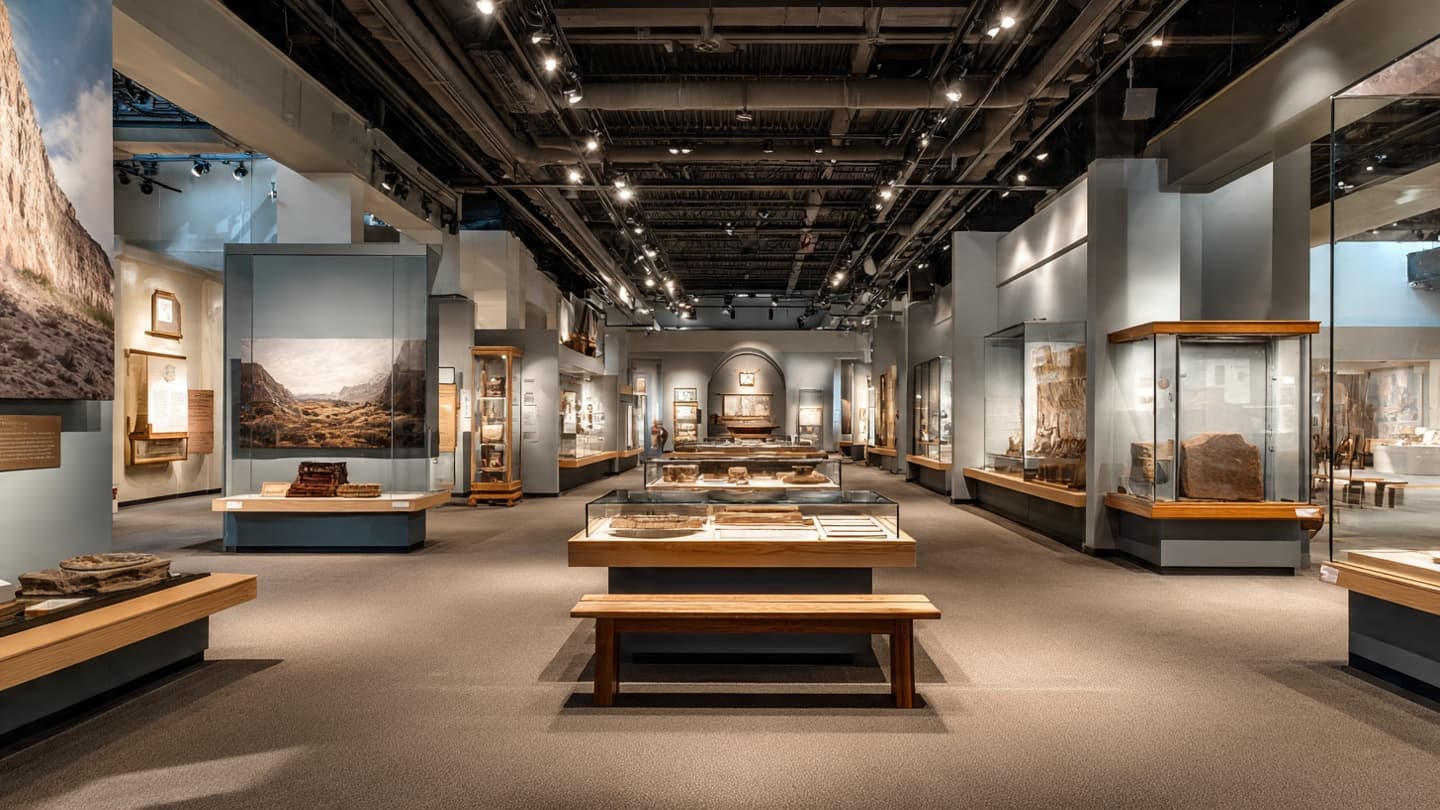
AI Image Disclaimer: The accompanying visuals are AI-generated representations created to illustrate historical museum themes and are not photographs of any specific exhibit.
Sources: Reuters, Associated Press
Note: This article was published on BanxChange.com and is powered by the BXE Token on the XRP Ledger. For the latest articles and news, please visit BanxChange.com