
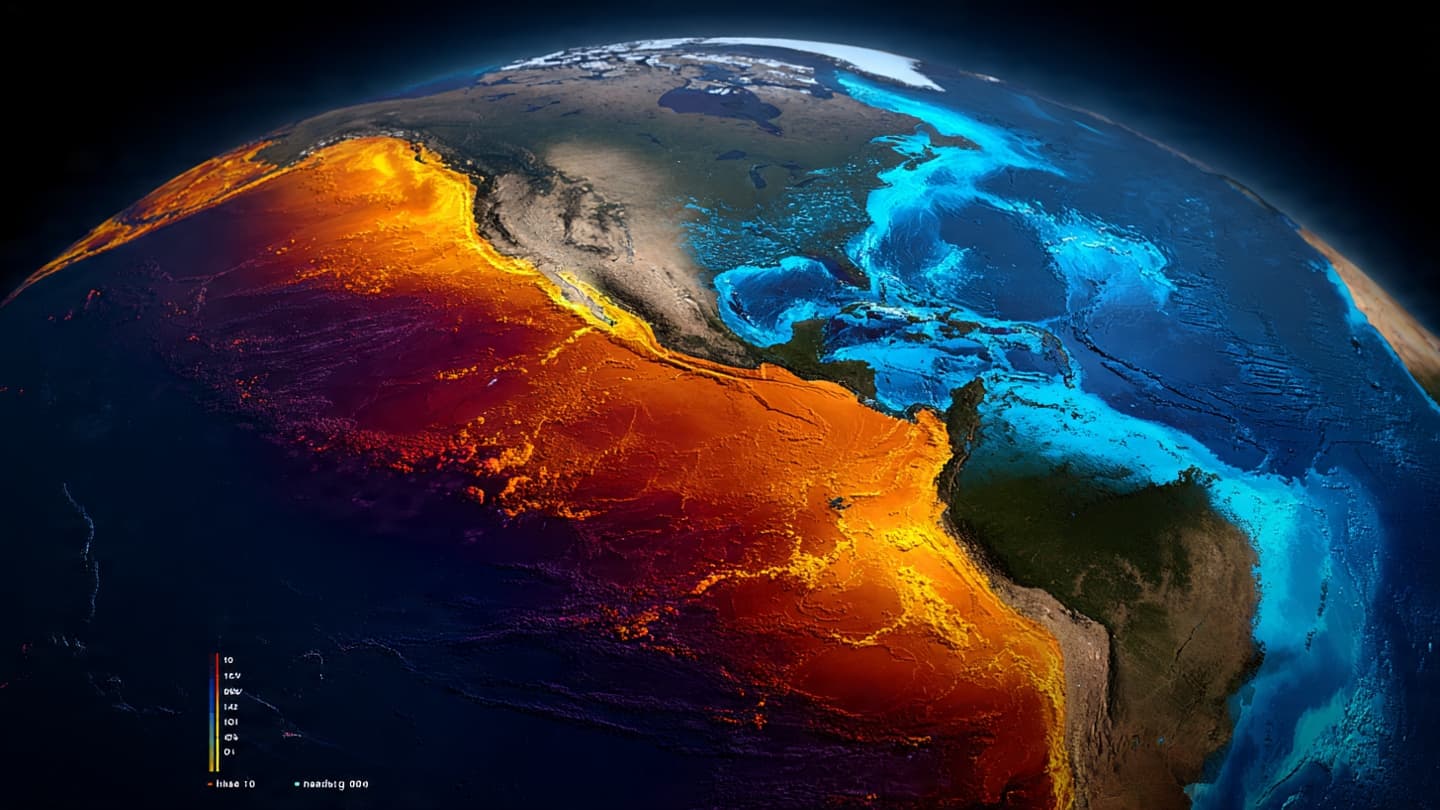
Across the Pacific Ocean, changes often begin quietly. A slight warming of surface waters, barely visible to the eye, can eventually alter rainfall, reshape agricultural seasons, and influence weather patterns across continents. Such is the far-reaching nature of El Niño, a climate phenomenon whose effects are felt far beyond the ocean itself.
International meteorological agencies have officially confirmed the development of El Niño conditions, with scientists warning that the event could become particularly strong in the coming months. Forecast models suggest that the phenomenon may significantly influence global weather patterns through late 2026 and into early 2027.
El Niño occurs when sea surface temperatures in the central and eastern equatorial Pacific Ocean become warmer than average. This warming disrupts atmospheric circulation, often leading to changes in rainfall, temperature, and storm activity across many regions of the world.
Climate experts note that El Niño's impacts vary geographically. Some areas may experience prolonged drought and heightened wildfire risks, while others could see above-average rainfall, flooding, and severe storms. Southeast Asia and Australia, for example, often face drier conditions during strong El Niño episodes.
Agricultural sectors worldwide are closely monitoring developments. Farmers in several countries are already evaluating irrigation needs, crop selection, and water management strategies in anticipation of possible weather-related disruptions.
Humanitarian organizations have also begun preparing for potential impacts. Previous strong El Niño events contributed to food insecurity, water shortages, and increased health risks in vulnerable communities across Africa, Asia, and Latin America.
Scientists emphasize that El Niño is a naturally occurring climate pattern. However, many researchers believe that global warming may intensify certain extreme weather effects associated with the phenomenon, making adaptation planning increasingly important.
Governments and weather agencies continue urging communities to stay informed through official forecasts and early warning systems. Accurate climate information can help reduce risks associated with drought, floods, and other weather extremes.
As ocean temperatures continue to evolve, researchers around the world will closely monitor El Niño's progression, seeking to better understand how this powerful climate cycle shapes life across the planet.
AI Image Disclaimer: The visual illustrations accompanying this report were generated using artificial intelligence to represent climate and weather-related scenarios.
Sources: Reuters, World Meteorological Organization, NOAA, PBS NewsHour
Note: This article was published on BanxChange.com and is powered by the BXE Token on the XRP Ledger. For the latest articles and news, please visit BanxChange.com